


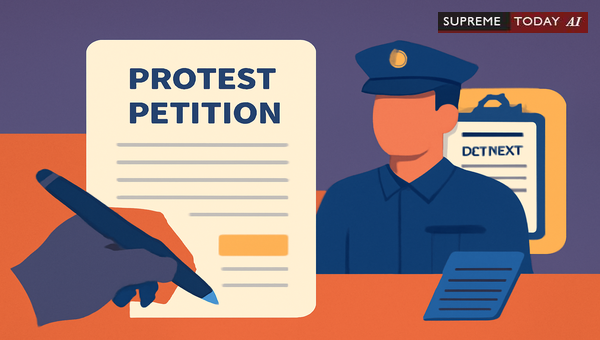
How to File a : CrPC Step-by-Step Guide
When police conclude an investigation with a —often called a ' or —it can be frustrating for the complainant. What if you believe justice hasn't been served? This is where a comes in. It's a vital legal tool allowing the informant to challenge the police's conclusions before a magistrate.
What is the Procedure to File a ? This question arises frequently in criminal cases across India, especially under the . While not explicitly codified in the CrPC, judicial precedents have firmly established this right, ensuring complainants get a fair hearing. In this comprehensive guide, we'll break down the process, eligibility, steps, and key considerations, drawing from established practices and court rulings.
Understanding Protest Petitions: An Overview
A is filed by the complainant (informant or ) to object to a police under that recommends closure due to insufficient evidence. This typically happens in two scenarios:- Direct complaints investigated by police resulting in a negative report.- Complaints forwarded by a magistrate under , followed by a negative police finding. 2021 0 Supreme(Mad) 2792
Courts have emphasized that the absence of a specific provision in the CrPC does not negate the right of the informant to file a and be heard. 2008 0 Supreme(Mad) 2099 This practice empowers magistrates to scrutinize police findings independently.
Step-by-Step Procedure to File a
Filing a requires precision to maximize its impact. Here's a detailed, numbered guide based on judicially recognized procedures:
- Determine Eligibility:
- Only the informant or can file. Family members or interested parties may qualify if directly affected. 2021 0 Supreme(Mad) 2792
Ensure the police have submitted the negative report to the magistrate—timing is crucial post-filing of the .
Prepare the Petition:
- Draft a clear document outlining objections to the police findings. Include:
- Facts of the case and discrepancies in the police report.
- Additional evidence, witness statements, or affidavits supporting your claims.
- Prayer for rejection of the police report and issuance of process against accused. 1984 0 Supreme(Ori) 213
Sign the petition personally. The should be signed by the complainant or informant. From additional insights on procedural norms. 2022 0 Supreme(AP) 662
File Before the Right Court:
- Submit to the Judicial Magistrate where the police report was filed. A is typically filed before the concerned Judicial Magistrate.
No specific format is mandated, but it must be detailed to be treated seriously.
Magistrate's Role and Hearing:
- The magistrate must consider both the police report and . Provide the complainant an opportunity to be heard. 2008 0 Supreme(Mad) 2099
- Often treated as a complaint under . This triggers examination of the complainant and witnesses on oath (). 1984 0 Supreme(Ori) 213 1969 0 Supreme(Pat) 108
The Magistrate may treat the as a complaint, but it is not mandatory. If treated as a complaint, the Magistrate must follow procedures under Sections 200 and 202. 2022 0 Supreme(AP) 662
Possible Outcomes: The magistrate has discretion:
- Accept police report and dismiss petition.
- Reject police report, take , and issue to accused.
- Order if new facts emerge. 1999 0 Supreme(All) 1776 2023 0 Supreme(All) 979
The Court below is directed to issue notice to the and give them an opportunity to file a . 2021 0 Supreme(Mad) 2921
Post-Filing Monitoring:
- Track the case for hearing dates. Be prepared with evidence.
- If rejected without inquiry, it may be challenged via revision under . A Magistrate cannot reject a without conducting the necessary inquiry. 2018 0 Supreme(Raj) 471
Key Judicial Precedents and Important Considerations
Indian courts have shaped this procedure through landmark rulings:- Right to be Heard: Informants must be notified of final reports to file protests. What follows would be that at such stage, the Petitioner has a right to file a . 2019 0 Supreme(Mad) 2867- Not a Mere Formality: Magistrates apply judicial mind; can't dismiss summarily. 2021 0 Supreme(Kar) 60- Remedy: Even if abroad, reasons for not filing must be explained, upholding the mechanism. 2023 0 Supreme(AP) 101
Additional Tips:- Attach supporting documents; vague petitions risk rejection.- Once a is filed by the police under Section 173 of Cr.P.C, the would have to file a . 2022 0 Supreme(AP) 429- If not treated as complaint, refile as fresh complaint under . 2023 0 Supreme(Kar) 433- Consult timelines; delays may weaken claims.
Common Pitfalls to Avoid
- Filing too early (before police report submission).
- Incomplete petitions lacking evidence. The must fulfill certain requirements to be considered as a complaint. 2022 0 Supreme(AP) 662
- Ignoring magistrate's discretion—focus on strong merits.
- Overlooking notice: Courts direct notices for protests. 2021 0 Supreme(Mad) 2921
Why Protest Petitions Matter
In a system where police closure reports are common, protest petitions bridge the gap, preventing miscarriage of justice. They uphold (fair hearing) and ensure accountability. Statistics show many 'B' reports get overturned upon protest, leading to trials.
Conclusion and Key Takeaways
Filing a is a powerful, accessible remedy for challenging negative police reports under CrPC. By following these steps—eligibility check, detailed drafting, timely filing, and preparation for hearing—you position yourself for a fair review.
Key Takeaways:- File before the concerned magistrate post-police report.- Treat as potential complaint; back with evidence.- Leverage precedents for rights assertion.- Outcomes: acceptance, rejection, or further probe.
This guide provides general information based on judicial practices and is not legal advice. Procedures may vary by jurisdiction or facts. Always consult a qualified lawyer for case-specific guidance.
References:2023 0 Supreme(Mad) 1344 2021 0 Supreme(Kar) 370 2021 0 Supreme(Mad) 2792 2022 0 Supreme(Raj) 2682 2023 0 Supreme(All) 979 2019 7 Supreme 81 2011 8 Supreme 450 2012 4 Supreme 158 2010 5 Supreme 524 2008 0 Supreme(Mad) 2099 1984 0 Supreme(Ori) 213 1969 0 Supreme(Ori) 177 1969 0 Supreme(Pat) 108 1993 0 Supreme(Mad) 177 2011 0 Supreme(All) 3070 1988 0 Supreme(Raj) 251 1999 0 Supreme(All) 1776
2023 0 Supreme(AP) 101 2022 0 Supreme(AP) 429 2021 0 Supreme(Mad) 2921 2019 0 Supreme(Mad) 2867 2022 0 Supreme(AP) 662 #ProtestPetition, #CrPCGuide, #LegalProcedure












