


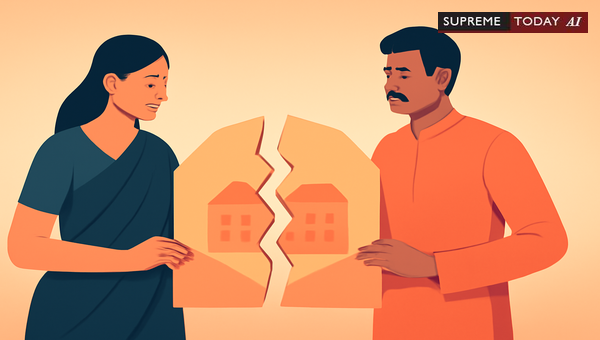
How to Divide Shares in Hindu Law: A Comprehensive Guide
Navigating property division in a joint Hindu family can be complex, especially when ancestral or is involved. Many families ask: How to divide shares in Hindu law? This question arises frequently in inheritance disputes, partitions, and succession matters. Under Hindu law, particularly the , shares are typically divided through a formal process, ensuring fairness among while considering modern amendments for gender equality.
This guide breaks down the legal principles, processes, and special considerations. Note: This is general information based on established principles and should not be taken as specific legal advice. Consult a qualified lawyer for your situation.
General Framework of Share Division in Hindu Law
Hindu law governs the division of joint family property primarily through the , which applies to most of India except Bengal. —traditionally male members of a joint Hindu family—hold undivided interests in . severs this joint status, allotting distinct shares to each coparcener. 1981 0 Supreme(MP) 682 1999 0 Supreme(Raj) 18
- Presumption of Equality: Shares are generally presumed equal unless evidence shows otherwise, such as gifts or the donor's clear intention. 1981 0 Supreme(MP) 682 1999 0 Supreme(Raj) 18
- Court's Role: Courts determine shares based on relationships, age, and other factors under Hindu law rules. 1999 0 Supreme(Raj) 18
For instance, in a suit for declaration of shares, courts have emphasized dividing properties by where possible, appointing commissioners for equitable allotment. 2021 0 Supreme(Mad) 310
The Process: Step-by-Step
involves physical division or allotment of joint family property. It can be:
- By Agreement: Family members mutually agree on shares.
- By Arbitration or Suit: If disputes arise, courts intervene.
Upon :- Each coparcener gets a defined share.- Physical division is preferred, but if impractical due to property size or nature, courts may order alternatives like sale and monetary distribution. 1999 0 Supreme(Raj) 18
In one case, the court specified shares post-succession: Plaintiff No. 1 – Meena Bai – 7.30 Acres... Plaintiff No. 2 – Laxmi – 4.30 Acres... Defendant No. 1 – Chhedi Lal – 18.90 Acres... highlighting precise calculations under after accounting for prior sales. 2015 0 Supreme(Chh) 300
Key Principle: involves the physical division or allotment of shares in the joint family property. 1999 0 Supreme(Raj) 18
Rights of Female Heirs and the Hindu Succession Act
Historically male-dominated, coparcenary rights expanded significantly:
- : A female heir's right to a dwelling house depends on male heirs dividing their shares first. She retains residence rights but not automatic unless males agree. 1983 0 Supreme(Bom) 356
- 2005 Amendment: Daughters now have equal coparcenary rights in ancestral property, entitling them to shares like sons. 2020 4 Supreme 193
Shares among daughters and female heirs are typically equal absent special circumstances. 2020 4 Supreme 193
This shift promotes gender equality, but restrictions persist for dwelling houses. Courts uphold these in inheritance suits, ensuring female heirs' inclusion.
Special Considerations in Property Division
Not all properties suit physical division:
- Inconvenient Division: Courts may opt for 'in kind' or alternatives like public auction. 1999 0 Supreme(Raj) 18
- Company Shares or Immovables: In disputes over shares in companies held in joint family names, transfers and partitions are scrutinized. For example, the shares stand in the name of Late D.C. Nahar... D.C. Nahar had transferred the shares... leading to compromises via tribunals. 2021 0 Supreme(Mad) 310
Court Discretion: When the size and nature of the property make physical division inconvenient, the court may pass orders for in kind or in lieu thereof, may decide on alternative arrangements. 1999 0 Supreme(Raj) 18
Additionally, in succession after a coparcener's death, remaining property is divided equally among . In the aforementioned case, after sales reduced available land to 12.90 acres, heirs like Laxmi got 4.30 acres each proportionally. 2015 0 Supreme(Chh) 300
Common Challenges and Court Interventions
Disputes often involve:
- Unequal Claims: Evidence of prior gifts or wills overrides equality.
- Evidentiary Issues: Late production of documents, like forensic reports on share transfers, is discouraged post-trial to avoid abuse of process. Courts note: Plaintiff cannot at this stage re-open the entire evidence... to fill up his omissions and lacunae. 2021 0 Supreme(Mad) 310
In suits under CPC provisions (e.g., ), plaintiffs seek declarations of half shares, injunctions against alienation, and commissioners for division/. Applications for reopening evidence are granted only for compelling reasons. 2021 0 Supreme(Mad) 310
Modern Judicial Trends
Recent cases reinforce equality and efficiency:- Lower appellate courts must discuss evidence before reversing trial findings on shares. 2015 0 Supreme(Chh) 300- Amendments aim to expedite trials, discouraging adjournments or recalls without justification. 2021 0 Supreme(Mad) 310
While some sources touch on Hindu Religious Endowments (HR&CE) matters, core family partitions remain distinct from temple/public property disputes. 2024 Supreme(Online)(MAD) 12550
Key Takeaways and Recommendations
- Equal Shares Presumed: Among , unless proven otherwise. 1981 0 Supreme(MP) 682 1999 0 Supreme(Raj) 18
- Modes: Physical, metes/bounds, or sale if needed.
- Female Rights Enhanced: Equal coparcenary status post-2005; dwelling house caveats apply.
- Seek Court if Stuck: For impractical divisions or disputes.
Summary: Shares in Hindu law divide via , presuming equality with provisions for females under the Hindu Succession Act. Actual outcomes depend on property nature, donor intent, and case facts. When physical division fails, courts ensure equitable alternatives like sales. 1999 0 Supreme(Raj) 18
Legal References:- : 1999 0 Supreme(Raj) 18 1981 0 Supreme(MP) 682- Female Rights: 1983 0 Supreme(Bom) 356 2020 4 Supreme 193- Related Cases: 2021 0 Supreme(Mad) 310 2015 0 Supreme(Chh) 300
For personalized guidance, approach a legal expert familiar with your jurisdiction's nuances. Proper documentation and early mediation can prevent prolonged litigation.
#HinduLaw #PropertyPartition #InheritanceRights












