


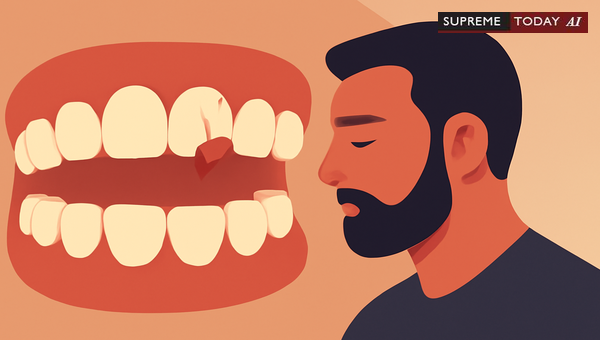
Delhi: Are Human Teeth Considered Deadly Weapons Under IPC?
In the realm of criminal law, particularly under the (IPC), the classification of injuries and the tools used to inflict them can dramatically alter the severity of charges. A intriguing question arises: Shakeel Ahmed V State Delhi – does biting with human teeth constitute the use of a under IPC? This case, decided by the , provides crucial clarity on this matter, distinguishing between Sections 325 and 326 of the IPC. While this post offers general insights into the ruling, it is not legal advice; consult a qualified attorney for specific cases. 2023 0 Supreme(Kar) 302
Background of the Case
The case of , Delhi centers on an incident where was allegedly caused by biting. The accused faced charges under IPC, which addresses voluntarily causing by , carrying harsher penalties than IPC for without such weapons. The dispute hinged on whether human teeth qualify as a .
The delved into the interpretation of or dangerous means, emphasizing that not all injury-inflicting methods escalate to this category. This ruling has broad implications for assault cases involving bodily parts rather than inanimate objects. 2006 0 Supreme(Raj) 362
Key Legal Findings: Teeth Are Not Deadly Weapons
1. Classification of Human Teeth
The Court unequivocally held that human teeth cannot be classified as a under IPC. Despite the potential for severe injuries like deep lacerations or infections from bites, teeth do not meet the legal threshold for .
The held that human teeth cannot be classified as a under of the IPC. This section pertains to voluntarily causing by . 2023 0 Supreme(Kar) 302
The reasoning focused on the inherent nature of teeth as a natural human attribute, not an external or manufactured instrument designed for harm. 2006 0 Supreme(Raj) 362
2. Applicable IPC Sections
Injuries from biting fall under IPC, which punishes voluntarily causing without deadly weapons. This downgrade from reduces potential imprisonment from life to up to 7 years.
The Court concluded that injuries caused by human teeth should be classified under of the IPC, rather than , which requires the use of a . 2018 0 Supreme(MP) 945 2019 0 Supreme(Del) 2314
3. Referenced Precedents
The judgment drew from , which examined injury-causing instruments' classification.
The ruling referenced previous judgments, including the case of , which discussed the nature of instruments causing injury and their classification under the IPC.
- Delhi
This precedent reinforces that courts assess weapons based on their typical use and inherent danger, not just injury outcome.
Insights from Related Cases and Sources
While Delhi sets a direct precedent, similar issues appear in other proceedings. Courts have consistently ruled that human teeth do not qualify as deadly weapons under IPC in biting-related assaults.
Courts have held that human teeth (used as weapons in some cases) do not qualify as deadly weapons under IPC. 2025 6 Supreme 104
through the Officer In-charge - Crimes
In broader contexts involving Shakeel Ahmed (noting multiple individuals share the name), cases touch on IPC Sections 302, 325, and 326, alongside evidentiary rules like as under . For instance, property disputes and criminal allegations, including abduction and threats 2024 Supreme(Online)(J&K) 1599, highlight procedural scrutiny, but the teeth-weapon principle remains consistent. 2025 6 Supreme 104
Other references, such as Mohd. Shakeel Wahid Ahmed v. State of Maharashtra (AIR 1983 SC 541), address unrelated detention issues but underscore the importance of relevant material placement before authorities:
relied upon the judgment of Constitution Bench of the in (Mohd. Shakeel Wahid Ahmed v. State of Maharashtra others)2, A.I.R. 1983 S.C. 541. 2002 0 Supreme(Bom) 329
These cases collectively emphasize evidence handling and charge accuracy, aligning with Delhi's focus on precise IPC application. Property and civil disputes involving parties named Shakeel Ahmed further illustrate case transfers and impleadment needs 2024 Supreme(Online)(DEL) 4438 2025 Supreme(Online)(SC) 11392.
Implications for Legal Practice and Future Cases
- For Prosecutors and Defense: Reference this ruling to argue against in bite-injury cases, potentially reducing charges and sentences. It clarifies that severity of injury alone does not elevate natural bodily actions to status.
- Evidentiary Standards: Related proceedings stress proper certification for electronic evidence, vital in modern cases
through the Officer In-charge - Crimes
. - Precedent Influence: This decision may guide assaults involving nails, fists, or other body parts, promoting uniformity.
This case clarifies the legal interpretation of what constitutes a in the context of causing injury. It sets a precedent that teeth, despite causing grievous injuries, do not escalate the offense. 2023 0 Supreme(Kar) 302
In criminal contexts with allegations of intimidation or abduction 2024 Supreme(Online)(J&K) 1599, such classifications ensure fair charging.
Recommendations
- Legal Practitioners: Cite Delhi and precedents like Khemchand Soni when handling bite injuries. Argue for to align with interpretation 2018 0 Supreme(MP) 945.
- Individuals Involved: If facing or defending bite-related charges, understand this precedent may mitigate penalties, but outcomes depend on facts.
- General Awareness: Assault cases often involve nuanced IPC applications; early legal consultation is key.
Conclusion and Key Takeaways
The 's ruling in Delhi demystifies human teeth's status under IPC, opting for over 326. This promotes precise justice, focusing on means over mere harm extent. Key takeaways:
- Teeth ≠ Deadly weapons 2006 0 Supreme(Raj) 362.
- Prioritize precedents for charge arguments
- Delhi
. - Integrate evidentiary rules from related cases 2025 6 Supreme 104.
This general analysis draws from cited sources; for personalized advice, seek professional counsel. Stay informed on evolving IPC interpretations to navigate legal challenges effectively.
References: 2023 0 Supreme(Kar) 302 2006 0 Supreme(Raj) 362 2018 0 Supreme(MP) 945 2019 0 Supreme(Del) 2314
- Delhi
2025 6 Supreme 104through the Officer In-charge - Crimes
2002 0 Supreme(Bom) 329 #ShakeelAhmedCase, #IPC326, #SupremeCourtRuling















