


Is Lathi a for Hand Injuries in India?
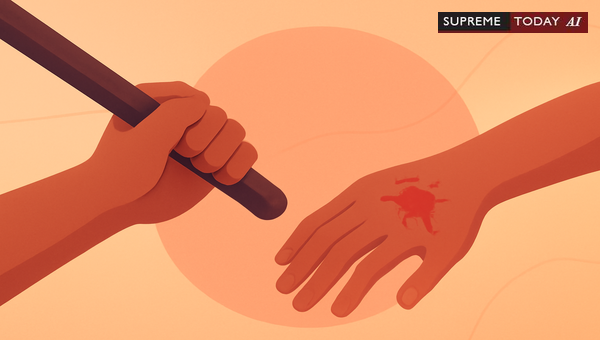
In rural India, lathis—traditional bamboo or wooden sticks—are commonplace tools for herding cattle, self-defense, or even crowd control. But when a lathi strike results in an injury, particularly on the hand, a pressing legal question arises: When injury was on hand by lathi, does lathi will be ? This query touches on critical aspects of Indian criminal law, especially under the , where the classification of a weapon can dramatically alter charges from to or even .
This blog post breaks down the legal nuances, drawing from precedents, medical opinions, and high court judgments. We'll examine whether a lathi inherently qualifies as a '' based on hand injuries, emphasizing that outcomes generally depend on context, intent, and injury severity. Note: This is general information, not legal advice—consult a qualified lawyer for specific cases.
Understanding Lathi and Its Common Use
A lathi is typically a long, rounded, blunt stick made from bamboo or wood, prevalent in rural areas. It's often not viewed as inherently lethal but can cause harm depending on usage. Courts have consistently noted that a lathi by itself does not qualify as a deadly weapon unless circumstances elevate its danger.
In , the observed that a lathi is not classified as a deadly weapon, as it lacks the intrinsic capability to cause death without specific intent or force. The court downgraded the conviction from (murder) to ( not amounting to murder), highlighting that while it can cause injury, the intention to cause serious harm was not established 2012 0 Supreme(All) 1770.
Legal Definition of a '' Under Indian Law
Under (voluntarily causing hurt by dangerous weapons) and 326 ( by dangerous weapons), a '' is one likely to cause death or in ordinary use. However, blunt objects like lathis are typically assessed case-by-case:
- Nature of the Weapon: Must be capable of causing death 'by its very nature.' A lathi does not meet this unless modified or used exceptionally 2016 0 Supreme(MP) 1103.
- Medical Evidence: Experts often testify that lathi injuries are , rarely fatal unless targeting vital areas like the head 1999 0 Supreme(J&K) 59 2016 0 Supreme(MP) 1103.
For hand injuries specifically, courts scrutinize if the blow was forceful enough for (e.g., fracture), but simple bruises rarely elevate the lathi to 'dangerous' status.
and Key Precedents on Lathi Injuries
Judicial interpretations provide clarity:
- : Reiterated that lathis cause non-fatal blunt injuries, requiring proof of intent for harsher charges 2012 0 Supreme(All) 1770.
- Contextual Use: Even with multiple blows, a lathi isn't automatically deadly unless circumstances (e.g., multiple assailants) suggest lethality 2012 0 Supreme(All) 1770 2016 0 Supreme(MP) 1103.
High courts echo this. In one case, medical opinion confirmed: The injury No.4 could be done by any blunt weapon like lathi. Injury No.4 is fatal and sufficient to cause death in ordinary course of nature 2011 0 Supreme(Gau) 956. Yet, for non-vital areas like the hand, fatality is unlikely.
Another ruling noted: Injury No. 2 can be caused by some blunt weapon, for instance, lathi 2007 7 Supreme 507, but classification hinged on overall assault context, not the hand injury alone.
Nature of Hand Injuries from Lathi: Simple or Grievous?
Hand injuries from lathis are generally simple (e.g., bruises, swelling) unless involving fractures or permanent impairment. Key factors:
- : The injury might have been caused by some blunt weapon as lathi 2004 0 Supreme(Cal) 755. Simple hand wounds suggest no 'dangerous' classification 2019 0 Supreme(Jhk) 1875.
- Severity Assessment: If the injury is 'simple in nature and weapon alleged is lathi, but used of lathi does not corroborate from medical evidence,' courts may infer minimal force, like a scuffle with hands 2019 0 Supreme(Jhk) 1875.
- Grievous Potential: Rarely, heavy blows can cause fractures, but even then: injuries caused by a lathi are typically blunt and not likely to be fatal unless used with significant force or in a manner that targets vital areas 1999 0 Supreme(J&K) 59.
In a case involving head assaults, grievous injuries led to 'deadly weapon' findings, but hand-specific injuries dilute this: The accused persons assaulted... by their respective weapon on his head and other parts... grievous injury... by deadly weapon 2024 0 Supreme(MP) 336. Hands are non-vital, tipping scales toward non-dangerous.
Insights from Additional Case Laws
Broader precedents reinforce context-dependency:
- Lathis are 'common items carried by villagers' and not deadly unless causing 'grievous injury or with intent to cause death' 2024 0 Supreme(Pat) 1010 2023 0 Supreme(All) 1290.
- If injuries are grievous, involve fatal head injuries... courts may consider the weapon dangerous—but simple hand injuries do not 2025 0 Supreme(Jhk) 1150 2024 0 Supreme(Raj) 308.
- Blood on lathi or injury patterns matter: This injury suggests that it could have been caused by weapon like lathi 2006 0 Supreme(Cal) 269.
In scuffles: The injury sustained by the appellants is simple in nature and weapon alleged is lathi... It appears that there was simple scuffle 2019 0 Supreme(Jhk) 1875. For hands, this often means no escalation.
Medical corroboration is pivotal: Thus, the medical opinion confirms that the injury caused... could be caused by the weapon... seized... lathi 2022 0 Supreme(Chh) 396, but absence of lathi-specific injuries weakens claims.
Key Factors Influencing Lathi Classification
Courts weigh:
- Injury Type: Incised vs. blunt—hand blows are blunt, less severe 2016 0 Supreme(MP) 1103.
- Location: Hands are non-vital; head blows riskier 2024 0 Supreme(Gau) 799 2022 0 Supreme(Raj) 778.
- Intent and Manner: Single vs. multiple blows, force applied 2024 0 Supreme(Jhk) 808 2024 0 Supreme(Raj) 1157.
- Number of Assailants: Elevates danger 2012 0 Supreme(All) 1770.
Generally, hand injuries by lathi do not make it dangerous unless proving or death risk.
Conclusion and Key Takeaways
A lathi causing hand injury is typically not a under Indian law. Prevailing views from (Joseph case) and others emphasize: it must likely cause death inherently, which lathis do not without aggravating factors 2012 0 Supreme(All) 1770 2016 0 Supreme(MP) 1103.
Key Takeaways:- Assess injury nature, medical evidence, and context.- Simple hand hurts → Likely charges.- Grievous or vital-area harm → Possible 'dangerous' status.- Always prove intent for escalation.
In legal proceedings, thorough investigation is crucial. This analysis draws from cases like 1999 0 Supreme(J&K) 59, 2019 0 Supreme(Jhk) 1191, 2012 0 Supreme(All) 1770, 2016 0 Supreme(MP) 1103, 2024 0 Supreme(Pat) 1010, 2025 0 Supreme(Jhk) 1150, 2024 0 Supreme(Raj) 308, 2024 0 Supreme(Gau) 799, 2023 0 Supreme(All) 1290, 2022 0 Supreme(Raj) 778, 2024 0 Supreme(Jhk) 808, 2024 0 Supreme(Raj) 1157.
Disclaimer: Legal outcomes vary; seek professional advice. Stay informed on evolving jurisprudence.
#LathiWeapon #IndianCriminalLaw #DangerousWeapon















