


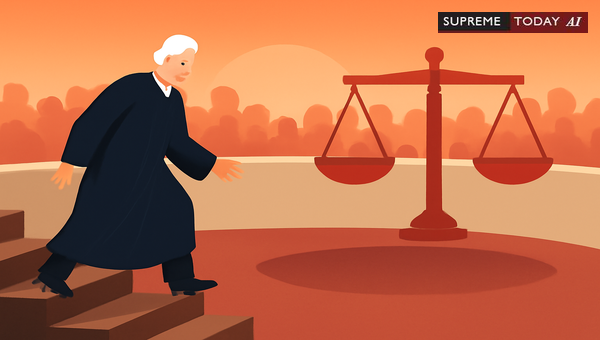
Judge : When Does a Judge 'Descend into the Arena'?
In the high-stakes world of litigation, the impartiality of a judge is the cornerstone of justice. But what happens when a judge seems to step beyond their neutral role, ? This phrase, rooted in judicial ethics, raises critical questions about —when a judge must step aside to avoid any perception of . If you're wondering, Judge Descend into the Arena Grounds of , this post breaks it down with key legal principles, case insights, and practical guidance.
Understanding these concepts is vital for litigants, lawyers, and anyone involved in court proceedings. While this is general information and not specific legal advice, it draws from established precedents to highlight when may be warranted—or dismissed as frivolous. Let's dive in.
What Does '' Mean?
The metaphor describes a judge overstepping their judicial bounds by acting like a party, prosecutor, or advocate. Judges have authority to ask questions under , but they must not create the impression of assuming a prosecutorial role or actively participating as a litigant. 1993 0 Supreme(Ker) 61 1993 0 Supreme(Mad) 85
This overstep undermines and dignity. As one authority notes, the phrase descend into the arena signifies overstepping judicial bounds, which can undermine impartiality and the dignity of the judiciary. 1993 0 Supreme(Ker) 61 1993 0 Supreme(Mad) 85
Judges are expected to maintain neutrality, exercising discretion judiciously while hearing cases diligently. Crossing this line may trigger demands, but not automatically—courts scrutinize the context.
Core Principles Governing Judicial
is not a casual request; it's reserved for situations with just and reasonable grounds, such as , , or conflicts of interest that could compromise impartiality. 2018 0 Supreme(HP) 2297 2019 0 Supreme(SC) 865
The
The benchmark is whether a would reasonably apprehend , considering the facts. 2018 0 Supreme(HP) 2297 2019 0 Supreme(SC) 865
Judges must recuse if there's a genuine perception of , particularly from:- Direct financial interests- Close family connections- Prior involvement in the case- Any appearance of partiality 2019 0 Supreme(Sikk) 52 2018 0 Supreme(HP) 2297
However, isn't obligatory for prior connections unless they pose a real danger of or reasonable perception of partiality. 2022 0 Supreme(Ori) 510 1993 0 Supreme(Ker) 61
vs.
Judges have a duty to hear cases without fear or favour or ill will and should not recuse merely at a litigant's asking unless justified by cogent grounds. 2024 0 Supreme(Cal) 1257 As emphasized, Judges must not be chosen by litigants; requests require valid reasons to uphold judicial independence. 2024 0 Supreme(Cal) 1257
In one case involving , the court rejected a bid, stressing that litigants cannot choose judges based on their preferences, and requests must be based on valid, cogent reasons to maintain judicial integrity. 2024 0 Supreme(Cal) 1257
Judicial Conduct and Discretion in Practice
Judges balance impartiality with diligence. They may recuse voluntarily or on application if justified, but frivolous claims—based on mere suspicion—won't suffice. 2019 0 Supreme(SC) 865 2020 0 Supreme(Ker) 926
Decisions must be transparent, with reasons disclosed to uphold process integrity. 2018 0 Supreme(HP) 2297
Judicial remarks, even critical ones toward counsel or parties, typically don't warrant unless showing deep-seated favouritism or antagonism. Such comments are grounds for appeal, not . 2019 0 Supreme(SC) 1186
In a Constitution Bench context, requests for based on prior legal views were dismissed: Rendering a decision on any issue of law and the corrective procedure of it is not a ground for of a Judge. Otherwise, no judge could hear reviews or references. 2019 0 Supreme(SC) 1186 Further, merely having a legal opinion has no connection with impartiality. 2019 0 Supreme(SC) 1186
This guards against or , where litigants pressure to influence bench composition—tantamount to interfering with the Chief Justice's roster powers. 2019 0 Supreme(SC) 1186
Exceptions and Limitations: When Isn't Required
depends on specific facts; it's not automatic. Unfounded apprehensions don't qualify. 2014 0 Supreme(Bom) 2313 2020 0 Supreme(Ker) 926
For instance:- Prior judgments or legal predispositions aren't . 2019 0 Supreme(SC) 1186- No litigant can demand a specific court; baseless allegations hinder justice. In a under CrPC amid claims, the court set aside the order, noting no litigant has the option to have their case tried by a particular court, and making baseless allegations... is not acceptable. 2019 0 Supreme(Del) 2487
Even financial interests, like a judge's spouse's stake, may not mandate without actual knowledge. 2024 Supreme(US)(ca2) 127
Other contexts reinforce restraint: cases or caste certificate validations use descend into the arena metaphorically but underscore judicial limits without triggering . 2017 0 Supreme(AP) 788 2007 0 Supreme(Bom) 901
Integrating Broader Insights from Precedents
Cases like those under the highlight interpretive bounds: Courts must not descend into interpolation, sticking to legislative intent without judicial overreach. 2003 6 Supreme 981 This parallels —judges avoid self-disqualification without cause.
In petitions, benches often prioritize institutional interest, dismissing claims to prevent system abuse. 2019 0 Supreme(Del) 2487
Key Takeaways and Recommendations
- Avoid the Arena: Judges should limit to questioning, preserving neutrality. 1993 0 Supreme(Ker) 61
- Threshold: Requires clear grounds like or conflict; support with facts. 2018 0 Supreme(HP) 2297 2019 0 Supreme(SC) 865
- Transparency Matters: Articulate reasons to build public confidence. 2018 0 Supreme(HP) 2297
- No : Frivolous bids undermine justice; provide cogent evidence. 2024 0 Supreme(Cal) 1257 2019 0 Supreme(SC) 1186
In summary, while judges must guard against , hinges on objective criteria ensuring impartiality and fair trials. Unfounded claims risk dismissal and sanctions. Consult a qualified attorney for case-specific advice, as laws evolve and contexts vary.
This framework protects judicial integrity while safeguarding litigants' rights. Stay informed, and justice prevails.
#JudgeRecusal, #JudicialBias, #LegalEthics















