


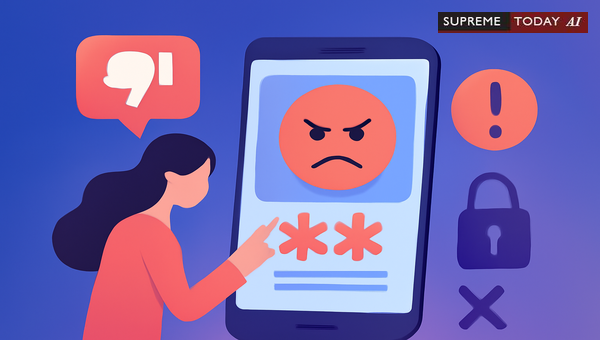
Legal Sections for Obscene Facebook Posts in India
In today's digital age, social media platforms like Facebook have become a double-edged sword. While they offer spaces for expression, posting obscene or offensive content can lead to serious legal consequences. Many individuals in India have faced FIRs and court cases for sharing inappropriate material online. But under what sections is a case registered for writing obscene things on Facebook for an individual? This blog post breaks down the key legal provisions, real-world examples, and practical advice to help you navigate these laws.
Note: This is general information based on legal precedents and is not specific legal advice. Consult a qualified lawyer for your situation.
Understanding Obscenity Laws in the Digital Context
Obscenity on social media is governed primarily by the , and the . These laws address publishing, transmitting, or publicly displaying obscene material, especially when it causes annoyance, humiliation, or harm. The , outlines how such cases are registered.
Whether content qualifies as obscene depends on context, language, intent, and audience. Courts often examine if it appeals to or , as per judicial interpretations. 2019 0 Supreme(AP) 315
Key Sections Under Which Cases Are Registered
Information Technology Act, 2000
- Section 67: This is the cornerstone for electronic obscenity. It punishes publishing or transmitting obscene material in . Posts on Facebook, being public or semi-public, often fall here if they contain vulgar language or images. However, not all provocative statements meet the obscenity threshold—context matters. 2019 0 Supreme(AP) 315
For instance, cases involving fake profiles sharing obscene MMS or photos are registered under Section 67 and sometimes 67A (sexually explicit acts). 2020 0 Supreme(Gau) 314
Indian Penal Code, 1860
Section 292: Targets the sale, distribution, or circulation of obscene books, materials, or objects. If Facebook posts involve sharing obscene images or videos publicly, this section applies, requiring proof of public circulation. 2019 0 Supreme(AP) 315
Section 293: Specifically for selling or distributing obscene objects to persons under 20 years, relevant if minors access the content.
Section 294: Covers obscene acts or songs in public places that annoy others. Facebook comments deemed public and offensive can trigger this, especially if they humiliate or insult. 2020 0 Supreme(AP) 803 2019 0 Supreme(HP) 813
Additional IPC sections commonly invoked from case precedents:
Section 500: For , when obscene posts damage reputation, like targeting women or public figures. 2024 Supreme(Online)(Ker) 86363
- Shah Alam
Section 509: For via words or gestures, applied to obscene messages or tagged posts. - Chhattisgarh
Section 120B (): Used if multiple persons collaborate on defamatory or obscene posts, though applicability varies.
- Sessions Court Kuala Lumpur
Recent trends mention , 75(3), and 79 for disparaging content, signaling evolving laws. 2025 Supreme(Online)(Ker) 55579
Criminal Procedure Code, 1973
- Section 154: Requires police to register an for upon receiving written information. Obscenity complaints on Facebook typically start here. 2005 0 Supreme(Ori) 762
Real Case Examples Illustrating These Sections
Indian courts have handled numerous Facebook-related obscenity cases:
In one instance, indecent comments humiliating the complainant led to charges under relevant IPC sections. 2019 0 Supreme(HP) 385
A fake profile circulating obscene MMS resulted in registration under IT Act Sections 66A (struck down, but similar) and 67A. 2020 0 Supreme(Gau) 314
Posting obscene photos of a wife via Facebook prompted charges under Sections 67 and 67A IT Act. The informant reported mental agony, leading to at .
- Bombay
An unknown person used a fake ID to post a complainant's wife's photo with obscene messages, defaming her— registered accordingly. 2024 Supreme(Online)(CG) 281
Obscene posts about politicians or women in films invoked Sections 292, 294 IPC, and 67 IT Act, often with fake accounts tagging victims. 2025 0 Supreme(All) 2958
The material as placed on the Facebook accounts and published in various sites... posting the obscene post regarding the complainant on the Facebook accounts. 2018 0 Supreme(P&H) 1863
These examples show police act swiftly on complaints, especially involving minors or women, combining IT Act and IPC sections. 2020 0 Supreme(Gau) 314
Courts also reference telecom records: Diagram 6 on page 6 reveals the registered telecommunication company associated with the said number... individual believed to be managing the Facebook account.
- MarsdenLR 197
Factors Courts Consider in Obscenity Cases
Nature of Content: Vulgar language, images, or videos vs. mere criticism.
Intent and Reach: Public posts or targeted harassment amplify liability.
Victim Impact: Annoyance, humiliation, or harm to minors strengthens the case. 2020 0 Supreme(AP) 803
Defenses: Lack of intent, private audience, or non-obscene context. In one Apex Court judgment, prosecution under was scrutinized for specifics. 2022 0 Supreme(AP) 285 2022 0 Supreme(AP) 244
Recommendations to Stay Safe on Social Media
For Individuals: Think before posting—avoid vulgarity, respect privacy, and use privacy settings. Assess if content could be seen as obscene or defamatory.
For Legal Practitioners: Challenge applicability by analyzing language and context. Argue on intent or audience. 2019 0 Supreme(AP) 315
Regularly review posts; delete risky content promptly.
Key Takeaways
Primary sections: IT Act Section 67, IPC 292, 294, 500, 509.
via CrPC 154 on credible complaints.
Context is king—courts weigh obscenity thresholds carefully.
Cases spike with fake profiles, minors, or .
Obscene Facebook posts can lead to arrests, fines, or imprisonment. Stay informed, post responsibly.
References: 2019 0 Supreme(AP) 315 2019 0 Supreme(HP) 385 2020 0 Supreme(Gau) 314 2005 0 Supreme(Ori) 762 2020 0 Supreme(AP) 803 2022 0 Supreme(AP) 285 2022 0 Supreme(AP) 244 2018 0 Supreme(P&H) 1863
- MarsdenLR 197
2024 Supreme(Online)(CG) 281- Bombay
- Bombay
2025 0 Supreme(All) 2958 2024 Supreme(Online)(Ker) 86363- Sessions Court Kuala Lumpur
2025 Supreme(Online)(Ker) 55579Word count: 1028. This post draws from legal documents for educational purposes.
#CyberLawIndia, #ObsceneContent, #FacebookLegal















