




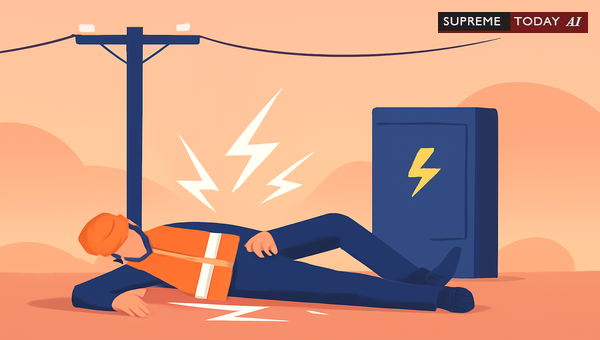
Electrocution Compensation in India: Legal Rights Guide
Electrocution incidents tragically claim lives across India, often due to faulty electrical infrastructure maintained by electricity boards or suppliers. Families left behind face not only emotional devastation but also financial hardship. If you're wondering about Compensation in Electrocution Matters, understanding the legal framework can be crucial. Courts have established clear principles holding electricity authorities accountable, offering hope through compensation awards.
This guide explores key legal principles, case law insights, and practical steps for claims, drawing from established precedents. Note: This is general information based on court rulings and not specific legal advice—consult a qualified lawyer for your situation.
Core Legal Principles in Electrocution Cases
apply robust liability standards in electrocution matters, prioritizing victim protection due to electricity's hazardous nature.
and Liability
Electricity boards and supply authorities are typically held liable for deaths from electrocution stemming from in maintaining safety standards. Courts invoke statutes like the , and . For instance, The and other electricity supply authorities are held liable for deaths caused by electrocution due to their 2008 0 Supreme(Mad) 3924 2022 0 Supreme(Raj) 819 2009 0 Supreme(Ori) 805.
In a notable case, the Electricity Department and were found , affirming Rs. 3,30,000 compensation 2022 0 Supreme(Raj) 819. Another ruling rejected dependency arguments, mandating compensation regardless 2008 0 Supreme(Mad) 3924.
Applies
Beyond , often governs, holding providers accountable irrespective of fault due to electricity's inherent risks. The principle of applies in cases of electrocution, meaning that the electricity providers are liable to compensate victims regardless of 2007 0 Supreme(Gau) 749 2012 0 Supreme(MP) 918.
This was evident in a case awarding Rs. 2 lakhs per petitioner for husbands' deaths 2007 0 Supreme(Gau) 749. Courts reference precedents reinforcing safety obligations 2009 0 Supreme(Ori) 805 2013 0 Supreme(Mad) 24.
Compensation Amounts and Interest
Awards vary by case specifics, ranging from Rs. 2 lakhs to Rs. 3.3 lakhs, considering incident severity and family impact 2022 0 Supreme(Raj) 819 2009 0 Supreme(Ori) 805 2023 0 Supreme(J&K) 262. Recent cases show higher sums:- Rs. 5 lakhs plus 6% interest from death date, despite contractor claims against . The court held, the cannot deny compensation to the deceased victim, even if the was on the part of a private contractor 2024 0 Supreme(Mad) 54.- Rs. 10 lakhs for a minor's death from a fallen live wire, due to maintenance under 2023 0 Supreme(J&K) 325.- Additional Rs. 30 lakhs beyond initial settlement, criticizing Workmen Compensation Act inadequacy: the principles of compensation in the are wholly improper and inappropriate 2019 0 Supreme(P&H) 2280.
Interest rates may be adjusted, e.g., from 12% to 6% 2022 0 Supreme(Raj) 819 2022 0 Supreme(Raj) 2698.
Key Case Law Findings
Judicial precedents provide clarity:
- Joint Liability Example: Electricity Department and liable for Rs. 3,30,000 2022 0 Supreme(Raj) 819.
- No Dependency Bar: must compensate, ignoring heir dependency arguments 2008 0 Supreme(Mad) 3924.
- Award: Rs. 2 lakhs each for petitioners 2007 0 Supreme(Gau) 749.
- : inferred from circumstances in deaths from live wires, adjusting compensation based on age and income 2011 0 Supreme(Ori) 552.
- Responsibility: Even contractor fault doesn't absolve; equity enhances award considering family plight 2024 0 Supreme(Mad) 54.
- for Minors: Rs. 10 lakhs under for negligent wire maintenance 2023 0 Supreme(J&K) 325.
- Safety Duty Emphasis: Strict and under ; prior compensation inadequate 2019 0 Supreme(P&H) 2280.
These rulings underscore electricity suppliers' statutory duty to prevent mishaps.
Filing a Claim: Practical Recommendations
Securing compensation requires strategic action:
- Gather Evidence: Document the incident with photos, witness statements, medical reports, and police FIRs. Prove or hazardous conditions.
- Relevant Statutes: File under ; ; or . Writ petitions via may work for undisputed facts, but disputed suits 2007 0 Supreme(Del) 2703.
- Legal Representation: Engage counsel experienced in and electrocution claims to navigate proofs and quantum calculations.
- Timeline: Act promptly; courts direct payments within weeks, e.g., eight weeks 2024 0 Supreme(Mad) 54.
Pro Tip: Principles like can shift proof burden, inferring from the incident itself 2011 0 Supreme(Ori) 552.
Challenges and Judicial Discretion
Defendants often dispute facts, claiming contractor or no liability 2024 0 Supreme(Mad) 54. Courts counter with equity, family circumstances, and foreseeable risks 2019 0 Supreme(P&H) 2280. Inadequate schedules under compensation acts are rejected for motor accident-like multipliers in electrocution deaths.
Note writs under may not suit disputed facts; civil suits preferred 2007 0 Supreme(Del) 2703.
Conclusion and Key Takeaways
India's legal system robustly supports electrocution victims' families through , , and precedent-driven awards. From Rs. 2 lakhs to over Rs. 30 lakhs plus interest, compensation reflects accountability for safety lapses 2022 0 Supreme(Raj) 819 2024 0 Supreme(Mad) 54 2019 0 Supreme(P&H) 2280.
Key Takeaways:- Electricity authorities bear primary liability, even vicariously.- Document thoroughly and seek expert legal help.- Courts prioritize equity and family loss.
References: 2008 0 Supreme(Mad) 3924 2022 0 Supreme(Raj) 819 2009 0 Supreme(Ori) 805 2007 0 Supreme(Gau) 749 2012 0 Supreme(MP) 918 2023 0 Supreme(J&K) 262 2022 0 Supreme(Raj) 2698 2013 0 Supreme(Mad) 24 2024 0 Supreme(Mad) 54 2023 0 Supreme(J&K) 325 2019 0 Supreme(P&H) 2280 2011 0 Supreme(Ori) 552 2007 0 Supreme(Del) 2703.
This article provides general insights from public judgments. Laws evolve, and outcomes vary—always consult a legal professional for personalized advice.
#ElectrocutionCompensation, #ElectricityLiability, #IndiaLawClaims












