


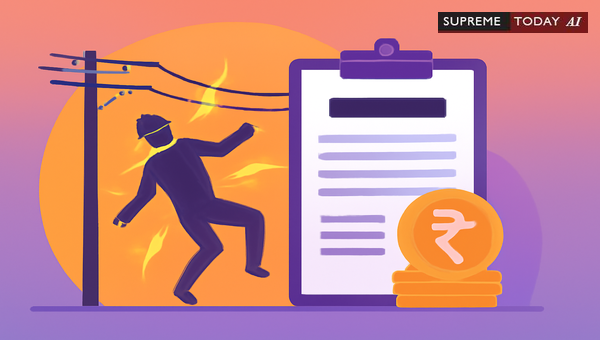
Fatal Accident Compensation in Electricity Act: Key Requirements
Electrocution incidents due to faulty electrical infrastructure tragically claim lives across India, leaving families devastated and seeking justice. When a loved one dies from contact with live wires, snapping poles, or poorly maintained lines, questions arise about liability and compensation. Understanding the legal pathways can make a critical difference. This post explores Fatal Accident Cases Compensation Necessary Requirements in Electricity Act, drawing from key principles, case law, and recent developments to guide affected parties.
Note: This article provides general information based on legal precedents and statutes. It is not legal advice. Consult a qualified lawyer for your specific situation.
Understanding Liability in Electrocution Deaths
Electricity providers, such as distribution companies or boards, bear a heavy responsibility for public safety. have established strict and in fatal accident cases involving electrocution. This means the is liable regardless of direct fault, as long as in maintaining infrastructure is proven. For instance, failing to insulate wires or repair dangling lines triggers this liability 2022 0 Supreme(Raj) 2227.
is a cornerstone. assess it against the Indian Electricity Rules, 1956, particularly Rules 29 and 77(3), which mandate safety for supply lines and apparatus. Breaches, like unsecured poles or exposed wires, directly lead to compensation under the 2022 0 Supreme(Raj) 2569 2004 0 Supreme(MP) 319. Importantly, claims under the Fatal Accidents Act remain unaffected by Section 161 of the , allowing pursuit of remedies independently 2021 0 Supreme(Raj) 506.
Recent judicial trends reinforce this. Even if a victim contributes to the accident, the utility's failure to uphold safety standards often shifts primary liability to them 2023 0 Supreme(Gau) 338. emphasize electricity's hazardous nature, holding providers to the highest care standards 2022 0 Supreme(Raj) 1137.
Compensation Calculation: Factors and Multipliers
Determining the quantum of compensation typically involves the deceased's income, age, and a . apply multipliers—often around 15—to calculate . For example, in cases reviewed, this approach ensures fair redress based on potential earnings lost 2022 0 Supreme(Raj) 2227 2022 0 Supreme(Raj) 2569.
Compensation amounts have evolved:- Revised to Rs. 10,00,000 for fatal electric accidents, effective from 2025 0 Supreme(Mad) 4471.- Earlier figures included Rs. 5,00,000, Rs. 2,00,000 (Tamil Nadu Electricity Board), or Rs. 2,88,000 under older provisions 2023 0 Supreme(Mad) 700 2022 0 Supreme(Raj) 1137.
Assessments draw parallels from motor accident claims, focusing on '' without 2024 0 Supreme(J&K) 230 2024 0 Supreme(Gau) 841. Factors like the deceased's dependency ratio and future prospects are weighed, expanding beyond .
Procedural Requirements Under the Electricity Act
The imposes strict reporting duties. Section 161 requires accidents involving generation, transmission, or distribution to be reported within 2024 0 Supreme(Gau) 1483. under Sections 161 and 162 investigate causes and liability 2024 0 Supreme(Gau) 1483.
Failure to report timely can impact claims, underscoring the need for:- Thorough documentation of the incident.- Evidence of maintenance lapses or safety violations.- Compliance with rules like those in Electricity Act for licensed energy handling 2023 0 Supreme(J&K) 126.
In work-related contexts, notice issues do not bar claims: No notice is given before Fatal Accidents to the victim and how can want of notice to employer be fatal accident again, depriving compensation to unfortunate victims or dependents in cases of the Compensation Act 2019 0 Supreme(Raj) 1861 2019 0 Supreme(Raj) 1866 2019 0 Supreme(Raj) 2960 2019 0 Supreme(Raj) 1553. Employers cannot indiscriminately appeal against dependents.
Landmark Case Law Shaping Precedents
Key judgments solidify these principles:- Ajmer Vidhyut Vitran Nigam Ltd. Vs. Smt. Sumitra Devi: Affirmed for safe infrastructure maintenance in electrocution deaths 2022 0 Supreme(Raj) 2227.- : Stressed safe energy supply and compensation for -induced fatalities 2022 0 Supreme(Raj) 2227.
Other precedents highlight improper maintenance as , applying even with victim fault 2024 0 Supreme(Gau) 1483 2022 0 Supreme(Raj) 1137 2023 0 Supreme(Mad) 700. Limitation periods, like two years under for fatal accidents, apply, but evidence of rash acts by departments strengthens claims 2024 0 Supreme(Chh) 4.
Under the Motor Vehicles Act's Second Schedule, fatal claims use ready-reckoner tables for third-party compensation 2011 0 Supreme(Ker) 642.
Practical Recommendations for Claimants
To build a strong case:1. Document Everything: Photos, witness statements, and FIRs detailing the incident.2. Prove : Obtain enquiry reports showing rule violations.3. Calculate Fairly: Use income proofs, age multipliers, and precedents for maximum recovery.4. File Promptly: Adhere to limitation periods and reporting mandates.
Legal representatives should leverage expanded scopes, including safety standards and hazardous electricity nature 2024 0 Supreme(Gau) 841.
Conclusion and Key Takeaways
In fatal electrocution cases, electricity providers face for , with compensation governed by the Fatal Accidents Act, , and safety rules. Recent hikes to Rs. 10 lakhs reflect growing recognition of victims' losses. Timely reporting, evidence gathering, and precedent application are vital.
Key Takeaways:- Applies: No need to prove intent; maintenance failures suffice 2022 0 Supreme(Raj) 2227.- : Fatal Accidents Act trumps Electricity Act limits 2021 0 Supreme(Raj) 506.- Higher Standards: prioritize public safety due to electricity risks 2024 0 Supreme(Gau) 1483.- Evolving Amounts: Check latest government memos for updated figures 2025 0 Supreme(Mad) 4471.
Families deserve justice. If facing such a tragedy, seek professional guidance promptly. References: 2022 0 Supreme(Raj) 2227 2021 0 Supreme(Raj) 506 2022 0 Supreme(Raj) 2569 2004 0 Supreme(MP) 319 2025 0 Supreme(Mad) 4471 2024 0 Supreme(Gau) 1483 2023 0 Supreme(Gau) 338 2024 0 Supreme(J&K) 230 2022 0 Supreme(Raj) 1137 2024 0 Supreme(Gau) 841 2023 0 Supreme(J&K) 126 2024 0 Supreme(Chh) 4 2019 0 Supreme(Raj) 1861 2019 0 Supreme(Raj) 1866 2019 0 Supreme(Raj) 2960 2019 0 Supreme(Raj) 1553 2011 0 Supreme(Ker) 642 2023 0 Supreme(Mad) 700.
#ElectricityAct #FatalCompensation #ElectrocutionClaims












