




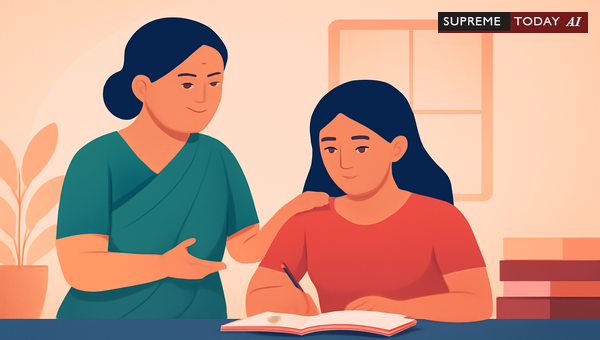
Beyond 18 for Studying Daughters: What the Law Says
In family law disputes across India, a common question arises: can continue beyond 18 years if the daughter is still , particularly if she is studying or training. Parents and adult children often grapple with whether financial support ends automatically upon reaching . The good news is that Indian courts have consistently ruled that dependency, not just age, determines entitlement to . This post breaks down the legal principles, judicial precedents, and practical guidance based on key judgments, helping you understand your rights and obligations.
Note: This is general information based on legal precedents and not specific legal advice. Consult a qualified lawyer for your situation.
Key Legal Principles on Dependency and
Under , parents are obligated to maintain children unable to support themselves. This extends beyond age 18 if the child remains due to education or . Courts emphasize the beneficent purpose of laws to prevent children from suffering due to inability to earn. 2025 5 Supreme 622
- Dependency extends to majors: A major daughter pursuing studies cannot be left to starve if unable to maintain herself. 2025 5 Supreme 622
- Education expenses included: Living costs cover tuition, coaching, vocational courses, and extracurriculars. 2022 0 Supreme(Jhk) 966
- Not age-bound: Judicial decisions affirm that unmarried major daughters studying remain entitled to support from fathers. 1997 4 Supreme 609 2025 5 Supreme 622
The in clarified: the living expenses of a child include expenses for education, coaching, vocational courses, and extracurricular activities, and such expenses should be factored into . A child attaining does not automatically cease to claim . 2022 0 Supreme(Jhk) 966 2025 5 Supreme 622
Detailed Analysis: When Does Continue?
Interpreting 'Dependency' Beyond 18
Dependency is broadly defined as inability to self-support due to ongoing education. In , courts held a major unmarried daughter pursuing education remains on parents, with entitlement from her father. Dependency hinges on financial inability, not age alone, especially for higher studies. 2025 5 Supreme 622 1997 4 Supreme 609
This aligns with precedents where was enhanced for daughters' private schooling and tuitions, even years after initial awards. For instance, in one case, enhancement was sought six years later as the daughter entered 6th class in a private school, factoring in rising costs.
HARISH CHAND Vs SARITA DEVI AND ANOTHER
2021 0 Supreme(HP) 475Judicial Precedents Supporting Extended
- : Parental duty persists during education or training post-, as long as dependency exists. The law's goal is to avoid . 2022 0 Supreme(Jhk) 966 2025 5 Supreme 622
- Major daughters abroad: Even a 24-year-old studying in the USA was considered for , with courts directing prompt decisions on applications. 2024 0 Supreme(Guj) 861
- Enhancement for needs: Courts raised from Rs.2,000 to Rs.12,000 for a daughter citing educational expenses and inflation, balancing parental capacity. 2021 0 Supreme(HP) 475
These rulings underscore that courts assess actual needs, like school fees and tuitions, against the parent's status.
HARISH CHAND Vs SARITA DEVI AND ANOTHER
Statutory Backing Under CrPC Section 125
Section 125 CrPC mandates for children unable to maintain themselves, interpreted to include studying majors. rulings confirm continuation beyond 18 for studies or training. 2025 5 Supreme 622 1997 6 Supreme 523
Related laws like the (Section 20) limit minor to 18 but align with CrPC for dependents. In one revision, for a 16-year-old daughter was upheld till 18, with elder child's claim set aside post- unless . 2018 0 Supreme(Ker) 563
Practical Application and Court Considerations
Courts routinely award continued for daughters in college or vocational programs, including hostel fees and course costs. In a Delhi case, a father paid for non-professional courses despite concerns over employment prospects, highlighting ongoing obligations. 2024 Supreme(Online)(DEL) 30807
Factors courts evaluate:- Proof of enrollment and expenses (fees receipts, course details)- Daughter's lack of income or employment- Parent's financial capacity and lifestyle
However, entitlement ends upon or . Mere without proof of self-support doesn't terminate rights. 2025 5 Supreme 622
Exceptions, Limitations, and Related Scenarios
- Independence proof required: If employed or married with support, claims fail. Married daughters may claim only if deserted or widowed and solely . 2021 0 Supreme(AP) 118
- Compassionate contexts: Dependency for jobs post-parental death includes studying divorced daughters living with parents. 2018 0 Supreme(Kar) 1213 2022 0 Supreme(AP) 8
- Abatement on death: suits may abate if personal, but arrears recoverable via succession.
Jayshree @ Pushpa w/o Satyendra Jindam Died, Through L. Rs. VS Satyendra s/o Shivram Jindam
In , changes like school upgrades justify increases, as seen where Rs.10,000 was raised to Rs.20,000 considering daughter's expenses. Courts balance withdrawals for education against current needs. 2024 0 Supreme(Guj) 861
Recommendations for Claimants and Parents
To strengthen claims:- Substantiate dependency: Provide enrollment proofs, fee slips, and income affidavits. 2025 5 Supreme 622- Document expenses: Track education, coaching, and living costs.- File timely applications: Under CrPC 125 or Domestic Violence Act for prompt relief.
Parents should maintain records to contest unreasonable demands, ensuring assessments reflect true capacity.
Conclusion: Empowering Daughters
Indian law prioritizes welfare, allowing beyond 18 for studying daughters to foster education without hardship. Precedents like and others reinforce this protective stance. 2022 0 Supreme(Jhk) 966 2025 5 Supreme 622
Key Takeaways:- Dependency via studies extends support past .- Courts factor holistic needs, not rigid age cutoffs.- Always prove ongoing inability to self-support.
Stay informed, document diligently, and seek professional guidance to navigate these nuances effectively.
#MaintenanceLaw #FamilyLawIndia #ChildSupport















