


Understanding in Malaysia
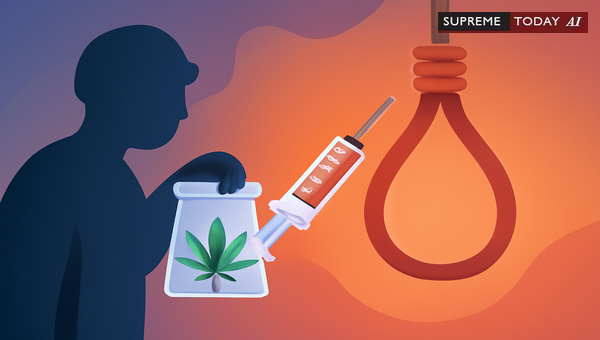
In Malaysia, drug-related offences carry some of the harshest penalties in the world, and one of the most critical provisions is (DDA). If you've ever wondered about Dangerous Drugs Sec 39B, this blog post breaks it down comprehensively. This section targets like cannabis and heroin, often resulting in sentences for quantities exceeding specific thresholds. Whether you're researching for awareness, legal studies, or facing related concerns, understanding this law is vital—though remember, this is general information and not specific legal advice. Consult a qualified lawyer for personalized guidance.
What is Section 39B? Key Provisions Overview
defines the offence of , which encompasses activities like distribution, sale, or possession with intent to traffic specified quantities of controlled substances . The penalties are draconian, as outlined in , imposing a sentence for trafficking cases involving quantities above set limits .
For instance:- Cannabis: Over 200 grams typically triggers the death penalty .- Heroin: Over 15 grams usually leads to the same severe outcome .
This approach leaves little room for leniency, emphasizing Malaysia's zero-tolerance stance on drug trafficking. Real-world examples from case law illustrate this:- Trafficking 366.1 grams of cannabis .- Trafficking 927 grams of cannabis .- Trafficking 1850.21 grams of cannabis, resulting in a death sentence .
These thresholds ensure that even moderate-scale operations face capital punishment, deterring large-scale distribution networks.
Legal Requirements for Prosecution Under Section 39B
Prosecution under Section 39B demands rigorous adherence to procedural safeguards. Customs and police officers must act responsibly and fairly when deciding to charge, evaluating evidence within the lawful detention period approved by a magistrate . Charges require the and must be promptly sent to the .
Any deviation—such as improper evidence handling or delays—can provide grounds for defense challenges. Defense strategies often hinge on:- Legality of arrest: Was it conducted without procedural errors?- Evidence integrity: Chain of custody issues or contamination?- Procedural compliance: Did authorities meet all timelines and consents?
Monitoring these steps is crucial, as non-compliance may lead to appeals or case dismissals.
Comparisons with International Drug Laws
While Malaysia's DDA Section 39B is notably severe, other jurisdictions offer contrasts. In India, the (NDPS Act) addresses similar issues but with varying penalties. For example, Section 20 punishes contraventions related to cannabis plant cultivation, production, possession, sale, or transport 2007 0 Supreme(Pat) 1282. Punishments include imprisonment terms, but not always , depending on quantity and prior convictions 2007 0 Supreme(Pat) 1282.
Sec. 20 of the Narcotic Drugs & Psychotropic Substances Punishment for contravention in relation to cannabis plant and cannabis.- whoever, in contravention of any provision of this Act... shall be punishable.- (i) where such contravention relates.... 2007 0 Supreme(Pat) 1282
In one Indian case, appellants convicted for possessing 380 kg of ganja had sentences reduced to five years' rigorous imprisonment and a fine, applying laws in force at the time of the offence 2007 0 Supreme(Pat) 1282. This highlights a key difference: Malaysia's for thresholds versus India's more flexible sentencing, often influenced by amendments and judicial discretion.
Similarly, India's , deals with offences like selling sub-standard drugs without a licence under
. While not directly trafficking-focused, it underscores global regulatory frameworks for controlled substances:
and Cosmetics Act, 1940-Offences under sec. 18 (c), (Sale without licence); under sec. 18(a)(i), (Selling sub-standard quality drugs); under sec. 28 (non-disclosure under sec. 22(1)(c)
.
These comparisons reveal Malaysia's uniquely punitive approach under Section 39B, prioritizing deterrence through capital punishment.
Defense Strategies and Procedural Pitfalls
For those accused, mounting a defense requires scrutinizing every stage. Focus on:1. Evidence assessment: Challenge the quantity measurement or drug identification.2. Arrest validity: Ensure no unlawful search or detention.3. Prosecutorial consent: Verify Public Prosecutor's involvement .
Courts have emphasized fair play by enforcement, providing potential appeal grounds if violated. Additionally, while unrelated to drugs, procedural rigor in other Malaysian regulations—like medical standards under —mirrors the need for compliance in high-stakes areas 2012 0 Supreme(Del) 2624.
Rule 39B which deals with the medical standards prescribed for issuance/renewal of licence is reproduced below: 39B. Medical standards - (1) No licence or rating referred to in rule 38... 2012 0 Supreme(Del) 2624.
This analogy stresses that procedural lapses anywhere can undermine cases.
The Broader Implications of Section 39B
Section 39B reflects Malaysia's commitment to eradicating drug trafficking, with over a thousand executions historically linked to DDA violations. Yet, it sparks debates on human rights and rehabilitation versus punishment. Internationally, while nations like India opt for graded penalties 2007 0 Supreme(Pat) 1282, Malaysia maintains its stance, occasionally granting royal pardons or commutations.
Public awareness is key: quantities as low as 200g cannabis can seal a fate. For importers or handlers, even peripheral involvement risks charges, as seen in foreign exchange cases involving gold but analogous to controlled imports 2013 0 Supreme(SC) 627.
Key Takeaways and Recommendations
- Severity Alert: Trafficking over thresholds (e.g., 200g cannabis, 15g heroin) mandates death .
- Prosecution Musts: Fair evidence handling, magistrate detention, PP consent .
- Defense Focus: Procedural errors, evidence flaws.
- Global Context: Harsher than India's NDPS Act 2007 0 Supreme(Pat) 1282.
In conclusion, Section 39B embodies Malaysia's iron-fisted drug policy. Stay informed, avoid risks, and seek professional legal counsel for any concerns—this overview is for educational purposes only. Understanding these laws empowers better decisions in a complex legal landscape.
#DangerousDrugsAct #Section39B #DrugTrafficking















