


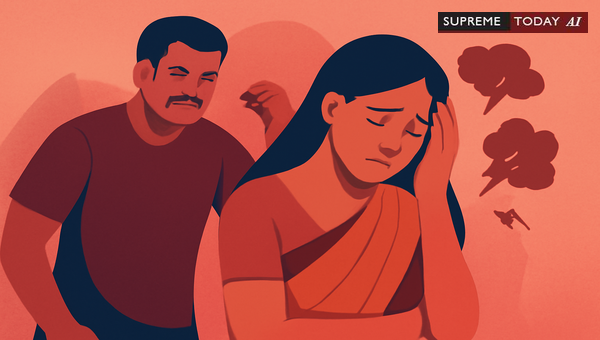
Essential Ingredients of Cruelty in Matrimonial Law
In the realm of family law, few grounds for divorce or legal recourse evoke as much debate as cruelty. What exactly constitutes cruelty in a marriage? Is it limited to physical abuse, or can persistent emotional torment qualify? These questions often arise when spouses seek separation under statutes like , or protection under . Understanding the essential ingredients of cruelty is crucial for anyone navigating matrimonial disputes.
This post delves into the core elements of cruelty, drawing from judicial interpretations and legal precedents. We'll explore how courts define and apply this concept, emphasizing that it must be grave and weighty conduct rendering cohabitation intolerable. Note: This is general information based on legal principles and should not be taken as specific legal advice—consult a qualified lawyer for your situation.
Defining Cruelty in Matrimonial Context
Cruelty in matrimonial law lacks a rigid statutory definition, making it a broad term encompassing both physical and mental conduct that causes significant suffering or danger to the spouse. Courts have consistently held that it includes behavior that is grave, weighty, and of such a nature that it renders the married life intolerable for the affected spouse. The conduct may be mental or physical, intentional or unintentional, but it must lead to significant mental or physical suffering, disturbance, or danger, making impossible. 1987 0 Supreme(SC) 852
Under Section 498A IPC, cruelty is explained as conduct likely to cause grave injury or danger to life, limb, or health (physical or mental). This provision targets harassment by a husband or his relatives aimed at coercing a woman to meet unlawful demands or drive her to suicide. 2009 0 Supreme(SC) 1989
Key takeaway: Cruelty surpasses ordinary irritations or disagreements—it must be persistent and severe. 1987 0 Supreme(SC) 852
Essential Ingredients of Cruelty: A Breakdown
To establish cruelty, the following essential ingredients must typically be proven:
- : The behavior must be more than trivial; it should have a serious impact on the spouse’s mental or physical health. Normal wear and tear, petty quarrels, or isolated incidents do not qualify. 1987 0 Supreme(SC) 852
- Intolerable Suffering: It causes mental pain, agony, or suffering of such magnitude that it severs the . A reasonable person in the spouse's position would find it impossible to continue living together. 1987 0 Supreme(SC) 852
- Persistence: The acts should be persistent, not one-off events. Continuous neglect, verbal abuse, or indifference can accumulate to this threshold. 1987 0 Supreme(SC) 852
- Contextual Evaluation: Courts assess conduct in light of the parties' social, cultural, and personal background, including sensitivity and circumstances. What may be cruelty in one case might not be in another. 1987 0 Supreme(SC) 852 2020 0 Supreme(Mad) 1736
As observed in judicial rulings, the cruelty has to be decided based on the facts and circumstances of each case and what is cruelty in one case, may not be cruelty in the other case.2020 0 Supreme(Mad) 1736
vs.
While is a clear form, it is not a prerequisite. Acts causing bodily harm or danger suffice, but even implied threats can contribute. 1987 0 Supreme(SC) 852
Often more insidious, involves acts causing deep anguish, disappointment, or frustration over time. Examples include:- Verbal abuse, insults, or false accusations.- Persistent indifference or neglect.- without medical reason, amounting to . 2007 3 Supreme 26- Long separations where the relationship has irreparably deteriorated. 2007 3 Supreme 26
Courts recognize that alone can suffice if it causes significant distress, as it severs the marital bond and makes cohabitation untenable. 1987 0 Supreme(SC) 852
Judicial Perspectives and Case Examples
Indian courts have refined these ingredients through precedents:
In divorce petitions under the Hindu Marriage Act, allegations of cruelty must be substantiated with evidence. Trivial disputes, like post-childbirth behavioral changes without proof, do not constitute matrimonial cruelty. The burden lies on the alleging party, and lack of medical records or contradictory evidence weakens claims. 2020 0 Supreme(Mad) 1736
Under Section 498A IPC, cruelty is a common ingredient with dowry death (), but the offenses are distinct. Section 498A requires subjecting a woman to cruelty likely to drive her to suicide or cause grave injury, without needing dowry demands or a 7-year marriage limit. In one case, convictions were upheld for a husband and mother-in-law based on evidence of cruelty leading to suicide, while others were acquitted for lack of proof. 2022 0 Supreme(Mad) 711 2022 0 Supreme(Mad) 695 2020 0 Supreme(Guj) 502
The required ingredients are different, though the common ingredient is 'cruelty'. Offenses under Section 304B and 498A are distinct, as affirmed in Gurmeet Singh vs. State of Punjab () 6 SCC 108. 2022 0 Supreme(Mad) 711
Evidence must be cogent and reliable. Convictions based on assumptions or unproven taunts about dowry/chastity were quashed, stressing proof beyond reasonable doubt. 2020 0 Supreme(Guj) 502
In a matrimonial appeal, crude behavior or arrogance was deemed usual bickering, not serious cruelty warranting divorce. 2014 0 Supreme(AP) 1257
These cases highlight that persistence, gravity, and evidence are pivotal. under may prove cruelty in abetment to suicide cases. 2022 0 Supreme(Mad) 695
Distinctions from Ordinary Marital Discord
Not every disagreement qualifies:- Petty quarrels or normal domestic bickering do not amount to cruelty. 1987 0 Supreme(SC) 852 2014 0 Supreme(AP) 1257- Isolated incidents lack the persistent nature required. 1987 0 Supreme(SC) 852- Subjective sensitivity matters, but the test is objective: Would a reasonable person tolerate it? 1987 0 Supreme(SC) 852
Exceptions and Limitations
- Cruelty is highly contextual—cultural norms influence assessment. 1987 0 Supreme(SC) 852
- No needed if mental torment meets the standard. 1987 0 Supreme(SC) 852
- In criminal cases like 498A, prosecution must prove beyond doubt; mere philosophical remarks on dowry don't suffice without evidence. 2020 0 Supreme(Guj) 502
Key Recommendations for Legal Strategies
- Gather Evidence: Document persistence and impact via medical records, witnesses, or communications.
- Prove Gravity: Show conduct exceeds ordinary disagreements.
- Contextualize: Highlight parties' backgrounds.
- Focus on Intolerability: Demonstrate why cohabitation is impossible.
Conclusion: Navigating Cruelty Claims
The essential ingredients of cruelty boil down to grave, persistent conduct—physical or mental—that makes married life intolerable. Judicial emphasis on evidence, context, and distinction from trivial disputes ensures fairness. Whether seeking divorce or invoking Section 498A, understanding these elements empowers informed decisions.
Key Takeaways:- Cruelty must be grave, weighty, and persistent. 1987 0 Supreme(SC) 852- is as valid as physical if it causes severe suffering. 1987 0 Supreme(SC) 852- Always substantiate with reliable proof. 2020 0 Supreme(Mad) 1736
This overview draws from established precedents like 1987 0 Supreme(SC) 852, 2009 0 Supreme(SC) 1989, 2022 0 Supreme(Mad) 711, 2022 0 Supreme(Mad) 695, 2020 0 Supreme(Mad) 1736, 2020 0 Supreme(Guj) 502, and 2014 0 Supreme(AP) 1257. For personalized guidance, consult a family law expert.
#MatrimonialCruelty, #MentalCruelty, #Section498A












