


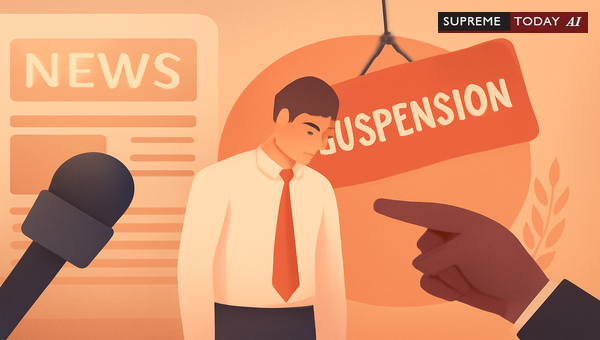
Legal Grounds for Influenced by Media Reports
In an era dominated by 24/7 news cycles and social media, allegations splashed across headlines can have immediate repercussions for employees, especially public servants. But can media reports alone provide the legal grounds for ? This question arises frequently when serious accusations surface publicly, prompting employers to act swiftly to protect reputation or public trust. While is a common tool, courts in India emphasize it must not be or .
This blog post delves into the legal grounds for influenced by media reports, drawing from key judgments and principles. We'll examine when such actions are justified, the role of objective inquiries, and pitfalls to avoid. Note: This is general information based on case law and not specific legal advice. Consult a qualified lawyer for your situation.
Understanding the Core Legal Question
Legal Grounds for Influenced by Media Reports: Typically, serves as a , not punishment, to allow impartial investigations. But when media reports allege —like derogatory remarks or ethical lapses—do they suffice as grounds? Courts have ruled that may be warranted if reports raise serious doubts threatening public confidence, but only with an objective process.
Dr. Surendra Kumar Chutani VS State of Rajasthan - 2002 0 1918
As one ruling clarifies, is not inherently a punishment but a to facilitate an .
Dr. Surendra Kumar Chutani VS State of Rajasthan - 2002 0 1918
This underscores that media-driven suspensions must balance urgency with fairness.Main Legal Findings and Key Principles
as a Procedural Step, Not Penalty
under rules like is procedural, contemplated when inquiries into serious allegations are needed. It's justified to prevent , maintain public confidence, or facilitate an objective investigation.
Dr. Surendra Kumar Chutani VS State of Rajasthan - 2002 0 1918
Key points include:- Preventive Nature: Not ; aims for unbiased probes.
Dr. Surendra Kumar Chutani VS State of Rajasthan - 2002 0 1918
- Serious Allegations: Justified if they require investigation to dispel public doubts.Dr. Surendra Kumar Chutani VS State of Rajasthan - 2002 0 1918
- Objective Basis: Must rely on credible evidence, not whims.Dr. Surendra Kumar Chutani VS State of Rajasthan - 2002 0 1918
- Media's Role: Reports can trigger action if they necessitate inquiry, especially with official backing.Dr. Surendra Kumar Chutani VS State of Rajasthan - 2002 0 1918
- Limits Near Retirement: Avoid use for employees nearing unless gravity demands it.In a case involving media reports of derogatory remarks against a Chief Minister, the court scrutinized at career's end, deeming it potentially without verified facts.
When Media Reports Justify
Media alone isn't enough; they must prompt credible action. In one instance, authorities suspended after a detailed, objective inquiry, including expert opinions, validating the move despite reports.
Dr. Surendra Kumar Chutani VS State of Rajasthan - 2002 0 1918
Courts favor suspensions supported by investigations over speculation. However, based solely on media reports without proper investigation or credible evidence may be challenged as .
Integrating Broader Judicial Insights
Media influence extends beyond initial triggers. Courts warn against disciplinary authorities getting swayed by reporting in the electronic media and the newspapers and without applying mind, especially for trivial issues without public interest. 2020 0 Supreme(Telangana) 550
True media reporting for public good doesn't inherently cause legal injury: The publication of true version of what actually happened by the media for the public good, does not itself give rise a cause of action for any legal injury. 2019 0 Supreme(Ker) 509 Yet, when mixed with imputations, it demands scrutiny.
In high-profile cases, alarming media-fueled escapes led to investigations and reforms, showing media's power to amplify calls for action—but not as sole grounds. 2018 0 Supreme(P&H) 2698 These escapes caused great alarm, fueled by disturbing media reports. 2018 0 Supreme(P&H) 2698
Judicial Fairness and Media Prejudice
Media suggesting guilt can prejudice trials, infringing rights under . Fair reporting is allowed, but must not undermine . Unlawful interference is illegitimate. 2024 0 Supreme(Ker) 1690
Suspensions of officials amid media coverage are challengeable if lacking legal grounds. Courts check periodic reviews and procedures. 2023 0 Supreme(Gau) 72 2023 0 Supreme(Telangana) 625 2024 0 Supreme(Gau) 1009
Role in Administrative Actions
orders must rest on facts, not sensationalism. Courts have emphasized that should not be motivated by media narratives or external pressures. 2024 Supreme(Online)(CAT) 17263 2023 0 Supreme(Raj) 115 2022 0 Supreme(AP) 147
Principles include:- Substantive grounds via departmental reports. 2023 0 Supreme(Kar) 330- Media adherence to guidelines. 2023 0 Supreme(Kar) 330- Challenges for , media-driven orders. 2023 0 Supreme(Kar) 330
Even digital platforms like Twitter must follow ; suspensions are contestable. 2024 Supreme(Online)(DEL) 12748
Exceptions, Limitations, and Best Practices
Suspensions falter if or unverified, particularly near retirement.
Media presumptions aren't grounds for drastic shifts like transfers. Also, the reports in the media and presumptions cannot be the grounds for transferring the case to . 2018 0 Supreme(Mad) 2811
Recommendations for Employers:- Back media-based suspensions with evidence, investigations, or experts.- Treat as temporary; ensure fair inquiries.- For serious public reports, investigate thoroughly.
Dr. Surendra Kumar Chutani VS State of Rajasthan - 2002 0 1918
Employees can challenge via if processes seem biased.
Conclusion and Key Takeaways
Legal grounds for influenced by media reports exist when serious allegations demand inquiry to uphold public trust—but only through objective, evidence-based processes. Courts strike a balance: media freedom versus rights protection, voiding actions.
Key Takeaways:- is preventive, not .
Dr. Surendra Kumar Chutani VS State of Rajasthan - 2002 0 1918
- Media triggers valid action with verification.- Prioritize fairness to avoid judicial reversal.- Balance public interest with .
Stay informed, act judiciously. For tailored advice, seek legal counsel.
References:1.
: on media reports; verification key.2.
Dr. Surendra Kumar Chutani VS State of Rajasthan - 2002 0 1918
: Objective inquiry justifies; not .3. Additional: 2020 0 Supreme(Telangana) 550, 2019 0 Supreme(Ker) 509, 2024 0 Supreme(Ker) 1690, 2023 0 Supreme(Gau) 72, 2023 0 Supreme(Telangana) 625, 2024 0 Supreme(Gau) 1009, 2024 Supreme(Online)(CAT) 17263, 2023 0 Supreme(Raj) 115, 2022 0 Supreme(AP) 147, 2023 0 Supreme(Kar) 330, 2024 Supreme(Online)(DEL) 12748, 2018 0 Supreme(Mad) 2811, 2018 0 Supreme(P&H) 2698 #EmployeeSuspension, #MediaInfluenceLaw, #LaborLawIndia












