


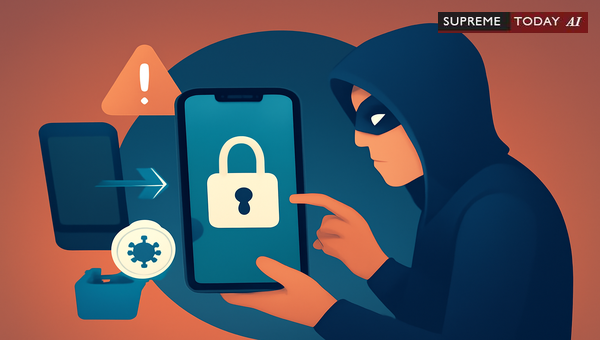
Is Hacking a Mobile Phone an Offence in India?
In today's digital age, mobile phones store our most sensitive data—from personal photos and messages to banking details and emails. But what happens when someone gains to your device? Is hacking a mobile phone an offence? The short answer is yes, under Indian law, such actions are treated as serious cybercrimes. This blog post dives deep into the legal framework, key provisions, real-world cases, and practical advice for victims. Note: This is general information and not specific legal advice; consult a qualified lawyer for your situation.
Understanding Mobile Phone Hacking Under Indian Law
Hacking a mobile phone typically involves to a device's data, software, or hardware without the owner's permission. This can include installing spyware, stealing information, erasing data, or using the phone for malicious purposes like blackmail or fraud.
The primary legislation governing this is the (IT Act), which classifies computers and computer resources to include mobile phones. specifically addresses hacking: it punishes anyone who, with intent to cause or damage, destroys, deletes, or alters information in a . Penalties can include up to three years imprisonment and fines.
Additionally:- : Covers tampering with computer source documents, applicable if hacking alters device code.- provisions: - : Theft, if data is stolen. - : , if accessed information is misused. 2022 0 Supreme(Del) 703
These laws emphasize intent—prosecutors must prove the hacker knew their actions could cause harm.
Landmark Cases and Judicial Insights
Indian courts have repeatedly upheld hacking as an offence, often relying on . In one case, a complainant alleged the accused hacked her mobile phone, accessed emails, and misused bank details for . The court recognized this as both hacking and , highlighting the severity. 2022 0 Supreme(Del) 703
Another instance involved unlawful access and transmission of sensitive information, aligning directly with IT Act definitions. 2023 0 Supreme(Pat) 342
From broader case law:- Courts have noted defenses where accused claim their own phones were hacked, such as someone else might have uploaded the same by hacking the mobile phone of the applicant. However, forensic reports are crucial to verify.
- In a complaint, the victim received a phone erasing notification, losing all data, with specific allegations of hacking and data removal.
- Investigations often seize mobiles, SIMs, and analyze tower locations or IMEI changes to link offenders. For example, It appears that the holder of the mobile phone was within the vicinity of scene of offence. 2020 0 Supreme(Bom) 295
Forensic evidence like remote monitoring, unknown devices, or malicious apps strengthens cases. 2022 Supreme(Online)(Kar) 150
Consequences and Penalties
Penalties vary by severity:- IT Act Section 66: Up to 3 years jail and/or fine.- Aggravated cases (e.g., with under or under ) carry harsher punishments.- Combined with IPC, fines and imprisonment can escalate.
Victims report incidents leading to blackmail, threats, or obscene material distribution via hacked phones. 2024 0 Supreme(Bom) 92 2025 0 Supreme(Del) 76
Evidence in Hacking Cases
Proving hacking requires solid evidence:- Digital footprints: Call logs, messages, app installations.- Forensic reports: Reveal or data wipes.- Seized devices: Mobiles, laptops, SIMs checked for malware or fund transfers. 2025 0 Supreme(Del) 76
Defendants may argue no incriminating evidence, as in cases where no obscene video was recovered from the mobile phone. Courts scrutinize such claims.
One defense tactic: Claiming the phone was used innocently, but proximity data like tower locations can contradict this. 2020 0 Supreme(Bom) 295
Related Offences and Emerging Trends
Hacking often links to:- Data theft and fraud: Accessing bank details for transfers.
- Blackmail and harassment: Misusing personal videos or chats. 2021 Supreme(Online)(RAJ) 1198- Malicious apps: Erasing data or spying.
Courts note that even high-profile individuals avoid using personal phones for crimes, underscoring forensic importance. 2017 0 Supreme(Ker) 1060
Recent trends show hacking for child pornography uploads or financial scams, with seizures of multiple devices.
What Should Victims Do?
If you suspect hacking:1. Document everything: Screenshots, notifications, unusual activity.2. Secure the device: Change passwords, run antivirus, factory reset if needed.3. Report immediately: File at local cyber cell under IT Act.4. Preserve evidence: Avoid tampering; seek forensic help.5. Seek legal help: Lawyers can guide complaints and prosecutions.
References include cases like 2005 0 Supreme(AP) 683 2020 0 Supreme(Ori) 83, emphasizing evidence collection.
Key Takeaways
- to a mobile phone generally constitutes hacking under Section 66 IT Act.
- Intent to harm is key; penalties up to 3 years imprisonment.
- Courts rely on forensics; victims should act swiftly.
- Related crimes amplify charges under IPC.
Hacking a mobile phone is indeed an offence in India, with robust legal protections. Stay vigilant with strong security—use biometrics, updates, and avoid suspicious links. For personalized advice, consult a cyber law expert.
Word count: 1028. Sources: IT Act 2000, cited cases.
#MobileHacking, #CyberCrimeIndia, #ITActOffences












