


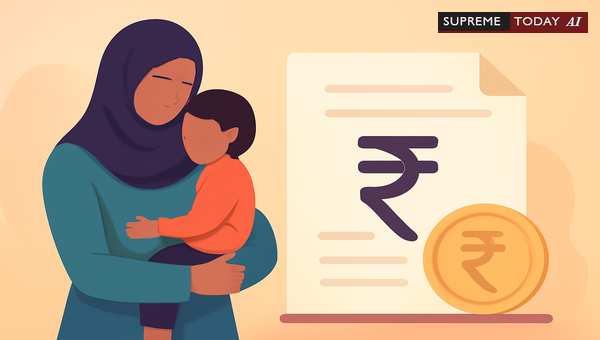
Child in Muslim Law: A Comprehensive Guide
In the realm of family law, few issues evoke as much concern as ensuring the well-being of children after a divorce. For Muslim families in India, questions about often arise, especially post-divorce. A frequent query is: In Muslim law, how to ask for children's as per the new law? This guide breaks down the legal framework, father's obligations, and practical steps to claim , drawing from key judgments and statutes as of .
Understanding these rights can empower parents to prioritize their children's needs. Note that while this provides general insights, it is not personalized legal advice—consult a qualified lawyer for your situation.
Father's Absolute Obligation Under Muslim Law
Under Muslim personal law, a father's duty to maintain his minor children is absolute and continues until they reach or become self-sufficient. This obligation persists beyond the and is independent of the mother's rights. Children, whether legitimate or illegitimate, are entitled to support from their father. 1996 0 Supreme(Mad) 483
Key principles include:- is required until children attain or can maintain themselves, including daughters until marriage. 1997 0 Supreme(Raj) 565- This duty is rooted in both personal law and statutory provisions like . 1997 0 Supreme(Raj) 565
As one judgment notes: the obligation of a Muslim father to maintain his minor children is absolute and continues till they attain or are capable of self-. 1996 0 Supreme(Mad) 483
Impact of the
The was designed to protect divorced Muslim women, limiting their to the and two years thereafter for children's upkeep. However, it does not restrict children's rights. The Act's applies primarily to the mother's claims, leaving children's entitlements under intact. 1997 6 Supreme 523 1996 0 Supreme(Mad) 483
Courts have consistently ruled that:- The Act and operate simultaneously without conflict. 1997 0 Supreme(Raj) 565- Children's extends beyond the two-year limit if they remain minors or unable to support themselves. 1997 0 Supreme(Raj) 565 1987 0 Supreme(Raj) 794
For instance: The primarily protects the rights of divorced women for a limited period (generally two years for children), but does not restrict or diminish the children's right to under Section 125 Cr.P.C. 1997 6 Supreme 523
How to Claim Child : Step-by-Step Process
Claiming typically involves , applicable to all religions, including Muslims. Here's a general outline:
- File an Application: Approach the ( if available) under . The mother (or guardian) can file on behalf of minor children.
- Prove Neglect: Demonstrate the father has sufficient means but neglects or refuses . 2015 0 Supreme(All) 118
- Evidence: Submit proof like divorce documents, income details, child's needs (schooling, medical). In one case, demands were made via notice to the husband and local Chairman, including mobile demands for and . 2024 Supreme(BD)(SC) 13645
- Interim Relief: Courts often grant pending final orders.
- Quantum: Amount considers child's needs and father's capacity—e.g., Rs. 300/month per child in older cases, adjusted for inflation.
Section 125 is neither inconsistent with Muslim law nor violative of . 1985 0 Supreme(Mad) 87
Even in with the mother, the father's duty remains: when the children are in of the mother, the obligation of father to maintain his children till they attain is absolute.
Special Cases and Exceptions
- Illegitimate Children: Entitled to from the father. 1978 0 Supreme(All) 747
- Major Unmarried Daughters: Under personal law, may claim if unable to maintain themselves; courts avoid multiplicity of proceedings. 2015 0 Supreme(All) 118
- Disputes: Prioritize child's welfare; independent of . 1987 0 Supreme(Raj) 794
The provides additional rights: the right of given to wife and the minor children under the provisions of the , is in addition to the right, which the minor children are having under Muslim Law. 2018 0 Supreme(Bom) 1143
In dissolution proceedings, courts can grant alongside divorce to avoid . 2020 0 Supreme(Guj) 345
Other examples include schooling costs (Rs. 2.75 lakhs/year) upheld as father's duty beyond technicalities.
Jurisdiction and Court Approach
Family Courts or Magistrates handle these under CrPC. Provisions remain applicable to Muslims despite the . 2008 0 Supreme(All) 261
Civil courts may also grant relief in matrimonial suits: is not devoid of jurisdiction to grant relief of .
Key Takeaways and Recommendations
- Father's duty is ongoing until children are self-supporting, unaffected by the . 1997 0 Supreme(Raj) 565
- Use for robust claims—independent and secular.
- Prioritize child's welfare; send legal notices early if needed. 2024 Supreme(BD)(SC) 13645
- Courts interpret laws pragmatically to minimize litigation. 2020 0 Supreme(Guj) 345
In summary, as of , Muslim law upholds the father's fundamental duty to maintain children post-divorce. This blend of personal and statutory law ensures protection. For tailored advice, engage a family law expert familiar with local precedents.
Disclaimer: This article offers general information based on judgments like 1996 0 Supreme(Mad) 483, 1997 6 Supreme 523, and others. Laws evolve; outcomes depend on facts. Seek professional legal counsel.
#MuslimLaw #ChildMaintenance #FamilyLawIndia















