


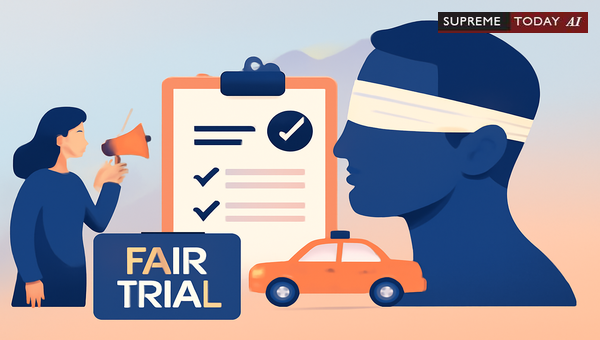
Police Ads Inviting Complaints: A Threat to Rights?
In an era where media and government communications shape public opinion instantaneously, a pressing legal question arises: Can police publishing advertisements in media inviting complaints from the public against an accused, during investigation, prejudice the accused and violate fair-trial rights?
This issue strikes at the heart of constitutional protections under Articles 14, 19, and 21 of the , balancing public interest with individual rights. High-profile cases have highlighted how such actions can morph into 'media trials,' undermining the and . This blog delves into court rulings, guidelines, and expert analyses to unpack the implications.
Understanding the Core Legal Concern
Government and police advertisements are powerful tools for public engagement, but their misuse during ongoing criminal investigations can cross ethical and legal lines. Courts have repeatedly cautioned that such tactics risk creating bias, influencing witnesses, and eroding the accused's right to a . As noted, media and government advertisements should not be used to influence or prejudge in criminal investigations 2015 6 Supreme 429.
The right to a encompasses protection from that impairs investigation impartiality 2023 6 Supreme 570. Publishing ads inviting complaints mid-investigation can foster a '' environment, prejudicing the accused's reputation and judicial process 2015 6 Supreme 429.
Key Principles from Court Guidelines and Rulings
Content Regulation in Government Advertising
Court-appointed committees have issued strict guidelines on government ads, mandating they remain objective, relevant, and free from political influence or prejudgment of ongoing matters 2015 6 Supreme 429. Specifically, government messaging should not be used to project personalities or influence public opinion in a manner that could prejudice legal proceedings 2015 6 Supreme 429.
Ads inviting complaints against a named accused veer into prohibited territory, potentially turning official channels into tools for public vilification.
Balancing Media Freedom and Rights
(1)(a) grants media freedom, but it must yield to 's guarantees. In Sahara India (supra), courts struck a balance: a balance was struck between the right of the media under (1)(a) and the right to under 2023 0 Supreme(Ker) 968 2023 0 Supreme(Ker) 920. The accused's rights were equated with the victim's in Asha Ranjan cases, underscoring holistic justice.
Unregulated media can prejudice: unrestricted and unregulated freedom exercised by media during investigations can cause prejudice, and that impairs the accused’s right to a 2023 6 Supreme 570.
Impacts of Police and Government Ads During Investigation
Creating Public Bias and Pressure
Inviting public complaints via ads can lead the public to believe in the complicity of the person indicted as such kind of action brings undue pressure on the course of fair investigation by the police 2024 0 Supreme(Ker) 1690. This distorts witness testimonies and presumes guilt, violating —a legal cornerstone not to be destroyed at the very threshold through the process of 2010 3 Supreme 190.
Hampering Investigation Integrity
Police disclosures, like press interviews, prejudice probes: The vital informations regarding the scene of crime disclosed by the Commissioner of Police through a press interview to the media, undoubtedly would cause prejudice to further investigation and hamper the investigation 2024 0 Supreme(Mad) 1915. Ads amplify this, acting as state-sponsored campaigns.
is a travesty: It will amount to travesty of justice if either of this causes impediments in the accepted judicious and fair investigation and trial 2023 6 Supreme 570 2017 0 Supreme(Ori) 135. Media leaders must ensure does not hamper fair investigation by the investigating agency and more importantly does not prejudice the right of defence of the accused 2017 0 Supreme(Ori) 223 2015 0 Supreme(Del) 366.
Exceptions, Limitations, and Judicial Safeguards
Media reporting isn't banned outright but must be responsible. Courts impose proportionate restrictions, like bail conditions balancing liberty, , and participation 2024 0 Supreme(Ker) 1045 2024 Supreme(Online)(KER) 43973. Blanket bans are avoided, especially on social media.
Fundamental rights under Articles 14 and 21 protect against undue prejudice, including identity disclosures during probes 2023 0 Supreme(Ker) 968 2023 0 Supreme(Ker) 920. Judicial remedies restrain violations, emphasizing: obviously would mean a trial before an impartial judge, a fair prosecutor and an atmosphere of judicial calm 2024 0 Supreme(Ker) 1690.
Practical Recommendations for Authorities and Media
To safeguard justice:- Limit Ads to Essentials: Confine government ads to factual public safety info, avoiding accusatory language 2015 6 Supreme 429.- Scrutinize Complaint Invitations: Ensure they don't prejudge or incite bias.- Monitor and Restrain: Courts/authorities should curb prejudicial content promptly 2023 6 Supreme 570.- Promote Responsible Journalism: Media as journalists, not 'special agency for the Court' 2023 6 Supreme 570.- Establish Clear Guidelines: Prevent ad misuse in investigations 2015 6 Supreme 429.
Integrating Broader Legal Context
Sources highlight parallel risks: media campaigns as '' vilify accused, damaging reputation and probe sanctity 2023 0 Supreme(Ker) 968 2023 0 Supreme(Ker) 920. Official police actions must avoid undue pressure, ensuring balanced reporting 2022 0 Supreme(Ker) 552.
Conclusion: Prioritizing Judicial Integrity
Generally, police publishing ads inviting complaints during investigations may prejudice the accused's rights, fostering media trials and bias. Courts stress balancing information rights with constitutional protections, urging restraint to uphold justice.
Key Takeaways:- Avoid in official communications.- Prioritize .- Seek judicial intervention if rights are threatened.
This post provides general insights based on legal precedents and is not specific legal advice. Consult a qualified lawyer for personalized guidance.
References
- Guidelines on government advertising 2015 6 Supreme 429
- Caution against media trials 2023 6 Supreme 570
- Media vs. balance 2023 0 Supreme(Ker) 968 2023 0 Supreme(Ker) 920
- Public pressure on investigations 2024 0 Supreme(Ker) 1690
- Bail conditions and ads 2024 0 Supreme(Ker) 1045 2024 Supreme(Online)(KER) 43973
- Police disclosures prejudice 2024 0 Supreme(Mad) 1915
- Travesty of justice via media 2017 0 Supreme(Ori) 135 2017 0 Supreme(Ori) 223 2015 0 Supreme(Del) 366












