


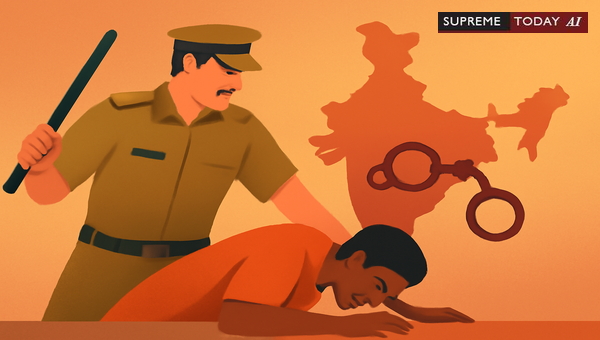
Police Brutality Convictions: Key Indian Cases
Introduction
Police brutality and atrocities, especially within police stations, remain a pressing issue in India. The question of Police Convicted for Brutality and Atrocities in the Police Station highlights a critical challenge to and the . When those tasked with protecting citizens become perpetrators of violence, it erodes faith in the system. Indian courts have repeatedly addressed this through convictions, compensation orders, and calls for reform, drawing on constitutional rights and special laws. This post examines key judicial responses, precedents, and recommendations, based on legal documents and cases. Note: This is general information and not specific legal advice. Consult a qualified lawyer for personalized guidance.
Overview of Police Brutality in India
Police brutality undermines the foundational duty of law enforcement to protect citizens and maintain order. Legal records show numerous instances where officers faced accountability for misconduct, particularly . Courts emphasize that such acts violate , guaranteeing the right to life and personal liberty 2011 0 Supreme(SC) 1382.
Victims, often from marginalized communities, seek justice through frameworks like the . This Act imposes stringent penalties on offenses against these groups, including police brutality 2021 0 Supreme(Ker) 303 2021 0 Supreme(Ker) 242. When police engage in atrocities, it instills fear rather than security, as seen in cases where help-seekers face violence 2021 2 Supreme 723.
Key Judicial Findings on Police Accountability
and Police Responsibility
Police must uphold law and order without abusing power. Brutality cases reveal a betrayal of this trust. For example, courts have noted that threats by police can drive victims to extreme actions, like suicide, holding officers responsible under IPC 2014 0 Supreme(Bom) 1504. In one instance, constables assaulted a 16-year-old boy in custody, pressuring him to confess to theft, leading to his suicide. While responsible for his fear, they did not meet the threshold for abetment under , resulting in 2014 0 Supreme(Bom) 1504.
Legal Framework: SC/ST Atrocities Act and More
The is pivotal. It covers atrocities by public servants, including police. Bail applications under this Act, combined with , often face scrutiny. In a Mansa district case, prolonged custody did not warrant as trial delays were attributable to the accused 2021 0 Supreme(P&H) 1509. Similarly, in a murder case involving caste atrocities, bail was granted due to insufficient evidence linking the appellant to the assault, despite brutality noted in the crime
.
Landmark Judicial Precedents
Indian judiciary has set strong precedents:- Saheli v. Commissioner of Police: The ruled the state for by police, paving the way for compensation in brutality cases 1989 0 Supreme(SC) 641.- : Invoked against officers misleading courts on brutality incidents 1996 4 Supreme 130.
Other cases reinforce this. In a political murder probe involving police atrocities and , courts stressed limits but remitted matters for fresh consideration under guidelines for special prosecutors 2020 0 Supreme(Ker) 274. A human rights activist's death, linked to exposing , underscores ongoing issues 2014 0 Supreme(Del) 1026. In a kidnapping-murder under , tied to SC/ST Act, acquittal came due to flawed disclosure statements lacking witnesses 2014 0 Supreme(Raj) 1901.
Compensation and Victim Remedies
Courts frequently order compensation, recoverable from guilty officers' salaries. This deters misconduct:- Victims of received directives for inquiry and salary deductions 1989 0 Supreme(SC) 20 2013 0 Supreme(SC) 1040.
Such measures affirm state responsibility.
Human Rights Violations Under Article 21
Excessive force violates fundamental rights. Courts mandate independent probes into custodial atrocities 2011 0 Supreme(SC) 1382. Incidents like hired assassins or police-led demand rigorous scrutiny 2020 0 Supreme(Ker) 274.
Integrating Broader Case Insights
Recent judgments highlight bail considerations in brutality-linked crimes. Courts balance with crime gravity:- In caste-based murder appeals, bail conditions restrict movement to protect witnesses
.- Delays from additional accused summoning deny bail benefits 2021 0 Supreme(P&H) 1509.
These show judiciary's caution: while granting relief on evidence lacks, serious charges like atrocities warrant safeguards.
in SC/ST cases must form an unbroken chain. Weak links, like unwitnessed disclosures or inconsistent 'last seen' testimonies, lead to acquittals 2014 0 Supreme(Raj) 1901.
Police threats causing suicide illustrate liability limits: acts must intentionally abet, not merely scare 2014 0 Supreme(Bom) 1504.
Recommendations for Systemic Reform
To combat police brutality:- Strengthen Oversight: Independent bodies for investigating allegations.- Training Programs: Focus on human rights, de-escalation, and force proportionality.- Public Awareness: Educate on rights and reporting via helplines or apps.- Swift Prosecutions: Special prosecutors in sensitive cases, as in political murders 2020 0 Supreme(Ker) 274.
Courts advocate these to restore trust.
Conclusion and Key Takeaways
Indian courts firmly oppose police brutality, convicting officers, awarding compensation, and invoking special laws like the SC/ST Atrocities Act. Precedents like Saheli ensure state accountability, while cases on bail and evidence stress fair trials 1989 0 Supreme(SC) 641. Though challenges persist—, caste atrocities—judicial interventions signal progress.
Key Takeaways:- Brutality violates Article 21; seek independent probes 2011 0 Supreme(SC) 1382.- Compensation possible from officers' salaries 1989 0 Supreme(SC) 20 2013 0 Supreme(SC) 1040.- Bail in atrocities cases hinges on evidence, not just custody length 2021 0 Supreme(P&H) 1509.- Report misconduct promptly; reforms are evolving.
This evolving landscape underscores justice's role in policing. Stay informed, assert rights, and support accountability for a safer India.
Word count approx. 1050. Sources cited from legal documents; always verify with professionals.
#PoliceBrutality #PoliceAccountability #JusticeIndia












