




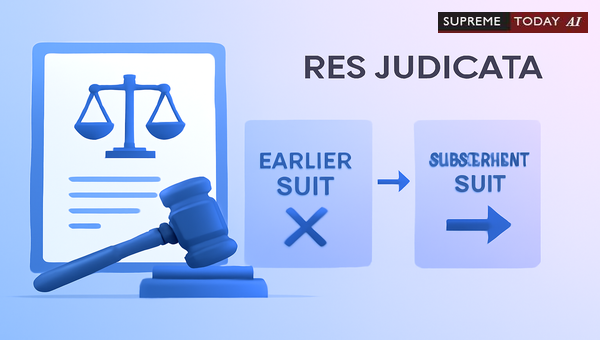
: When Does an Earlier Suit Block a Subsequent One?
In the complex world of civil litigation, parties often wonder about the risks of filing multiple suits over similar disputes. Imagine filing a second lawsuit on the same after your first one was dismissed—could it be thrown out entirely? This is a common scenario governed by the doctrine of under .
What is the remedy proceeding of an earlier suit stated on the ground that a subsequent suit is filed on the same ground by the same party? Generally, if the earlier suit was decided on merits after a full hearing, the subsequent suit is barred by . However, do not trigger this bar. This post breaks down the principles, key case laws, exceptions, and practical advice to help you navigate this.
Note: This is general information based on legal precedents and not specific legal advice. Consult a qualified lawyer for your case.
Understanding : The Core Principle
, meaning a matter adjudged, prevents the re-litigation of issues already decided between the same parties. It promotes finality in judgments and avoids multiplicity of suits. For to apply:
- The earlier judgment must be final and on merits2019 2 Supreme 53.
- It must involve the same parties and same 2004 1 Supreme 867.
- typically do not qualify unless they conclusively decide the matter 1960 0 Supreme(SC) 124.
As held in a key ruling, the principles of ... require a involving the same parties and 2019 2 Supreme 53.
The Key Issue: Impact of Earlier Suit's Dismissal Grounds
The fate of your subsequent suit hinges on why the earlier one was dismissed. Courts distinguish between dismissals on merits (after full contest) and those for technical/procedural reasons.
Dismissal on Merits: Subsequent Suit Barred
If the earlier suit was dismissed after a trial on the substantive issues, it acts as a bar. The judgment is conclusive, treating it as if the court had made declarations on each issue fundamental to the ultimate decision 2024 0 Supreme(SC) 1187.
- Example: Piecemeal litigation or relitigating decided issues is an 2024 0 Supreme(SC) 1187.
- In 2024 0 Supreme(MP) 665, the court confirmed that an earlier judgment binding on parties bars a second suit, emphasizing, the earlier decree is binding and the suit is barred by limitation.
Procedural or Technical Dismissals: No Bar
Dismissals for default, non-appearance, , or other technical defects do not invoke 1960 0 Supreme(SC) 124. A fresh suit remains maintainable.
- Under , allows a new suit, as does not apply to 2025 0 Supreme(SC) 711.
- In 2025 0 Supreme(SC) 711, the court held: A fresh suit is maintainable after dismissal under Order IX Rule 4 of the C.P.C., and does not apply.
- Similarly, in 2024 0 Supreme(Telangana) 134, pleas of require examining pleadings and decisions from the prior suit, often beyond summary rejection under .
When Does NOT Apply: Exceptions and Nuances
Not every prior proceeding blocks a new suit. Courts look for:
- Different : A subsequent suit on a fresh cause is permissible 2015 0 Supreme(Bom) 1408. For instance, a subsequent suit based on a different is not barred under 2015 0 Supreme(Bom) 1408.
- Non-Final Orders: Remands or interlocutory dismissals lack effect 1960 0 Supreme(SC) 124.
- : Time spent in a prior defective suit (e.g., jurisdictional issues) may be excluded 2013 0 Supreme(Chh) 43. The court noted: the failure of the prior proceeding was due to defect of jurisdiction or other cause of like nature.
- Concealment of Facts: Filing without disclosing prior suits can lead to rejection under 2024 0 Supreme(P&H) 1237. A litigant cannot benefit from concealing material facts; res-judicata applies when the same issue has been previously adjudicated.
In eviction cases, a fresh suit may arise post-earlier dismissal if new defaults occur 2013 0 Supreme(Mad) 1647: Simply because the earlier suit was dismissed... does not mean that the same landlord on the subsequent arisal of the should not file a fresh suit.
Key Case Law Insights
Several precedents illustrate these rules:
- 2024 0 Supreme(SC) 1187: Final merits judgment bars relitigation; abandoning issues for separate suits is abusive.
- 2019 2 Supreme 53: Reinforces finality, same parties, and merits requirement.
- 2004 1 Supreme 867: (e.g., non-appearance) do not bar subsequent suits.
- 1960 0 Supreme(SC) 124: Only culminates in final merits judgments trigger the doctrine.
- 2025 0 Supreme(SC) 711: Order IX dismissals allow fresh suits without bar 2025 0 Supreme(SC) 711.
- 2024 0 Supreme(MP) 665: Prior binding decree prevents re-agitation.
These cases, drawn from Indian jurisprudence, underscore judicial caution against abuse while protecting legitimate remedies.
Practical Recommendations
Before filing a subsequent suit:
- Review the Earlier Judgment: Was it on merits or procedural? Obtain certified copies.
- Check : Ensure it's identical; slight differences may save it.
- Seek Restoration First: For default dismissals, apply under before a new suit 2025 0 Supreme(SC) 711.
- Disclose Prior Suits: Avoid rejection for concealment 2024 0 Supreme(P&H) 1237.
- Consider Alternatives: or appeals may suffice over new suits.
If is raised as a defense, argue lack of merits or finality, supported by pleadings analysis 2024 0 Supreme(Telangana) 134.
Conclusion and Key Takeaways
In summary, a subsequent suit on the same by the same party is typically barred by only if the earlier suit was finally decided on merits2024 0 Supreme(SC) 1187. open the door to fresh litigation, promoting access to justice without endless re-trials.
Key Takeaways:- Merits dismissal = Barred.- Procedural dismissal = Maintainable.- Always verify finality, parties, and cause.- Disclose priors to avoid pitfalls.
Understanding these nuances can save time, costs, and frustration. For tailored guidance, reach out to a legal professional.
#ResJudicata #CivilLaw #LegalRemedies












