


Section 294 IPC: Proof of Annoyance Essential for Conviction
Introduction
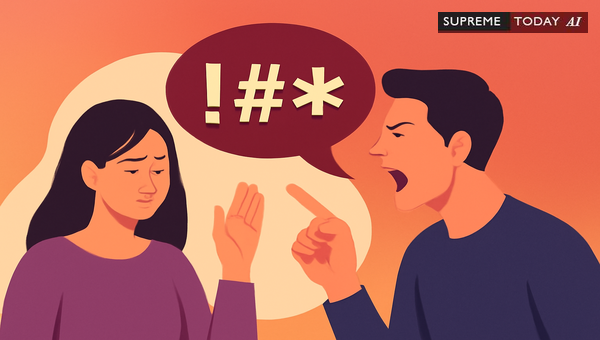
In the realm of in India, (IPC) plays a pivotal role in addressing or words in public places. However, a common misconception is that simply uttering obscene language is enough to trigger this provision. Courts have repeatedly clarified a critical requirement: to others must be proved.
The legal question at the heart of this issue is: The Court Held that to Attract this Section, to Others Must be Proved. Mere Utterance of Obscene Words Without Proof of Annoyance is Not Sufficient. Case Laws. This principle underscores the balance between protecting public morality and safeguarding against . In this blog post, we'll explore the , key case laws, and practical implications, drawing from authoritative judgments.
Understanding Section 294 IPC
Section 294 IPC states: Whoever, to the annoyance of others, (a) does any obscene act in any public place, or (b) sings, recites or utters any obscene song, ballad or words, in or near any public place, shall be punished...
The phrase to the annoyance of others is not mere verbiage—it's the linchpin of the offence. Courts have consistently held that without evidence of this annoyance, no conviction can stand. This prevents the section from being misused for or minor altercations.
The Core Judicial Holding: Annoyance Must Be Proved
The main legal finding from multiple precedents is clear: mere utterance of obscene words, without proof of annoyance to others, is insufficient to attract Section 294 IPC2022 0 Supreme(SC) 1243 2025 0 Supreme(Mad) 2726 2022 0 Supreme(Mad) 3591.
Key Points from Leading Judgments
- Actual proof of annoyance is requisite: Prosecutors must demonstrate that others were indeed annoyed or disturbed 2022 0 Supreme(SC) 1243 2025 0 Supreme(Mad) 2726 2022 0 Supreme(Mad) 3591.
- No evidence, no offence: Simply alleging obscene words falls short if no witness deposes to feeling annoyed 2022 0 Supreme(SC) 1243 2025 0 Supreme(Mad) 2726 2022 0 Supreme(Mad) 3591.
- Context matters, but proof is king: Even if words are obscene, the manner and impact on others must be evidenced 2022 0 Supreme(SC) 1243 2025 0 Supreme(Mad) 2726 2022 0 Supreme(Mad) 3591.
In 2022 0 Supreme(SC) 1243, the court explicitly stated: To prove the offence under Section 294 of IPC, mere utterance of obscene words is not sufficient but there must be further proof to establish that it was to the annoyance of others, which is lacking in the case.
Similarly, 2025 0 Supreme(Mad) 2726 reiterated: In so far as the offence under is concerned... 'To prove the offence under Section 294 of IPC, mere utterance of obscene words are not sufficient but there must be a further proof to establish that it was to the annoyance of others, which is lacking in the case.' This judgment references the foundational case of K. Jeyaramanuju Vs. Janakaraj & anr.
2022 0 Supreme(Mad) 3591 adds: No one has deposed or stated about the obscene words which they felt annoyed and in the absence of such material to show that the words uttered by the petitioner annoyed others it may not be said that the ingredient of offence under section 294 of IPC is made out.
These rulings emphasize judicial scrutiny: charges must show witnesses felt annoyed upon hearing the words 2025 0 Supreme(Mad) 2726.
Insights from Additional Case Laws
This principle echoes across other judgments, reinforcing its robustness.
In 2025 0 Supreme(SC) 260, the court quashed proceedings, observing: To prove the offence under Section 294IPC mere utterance of obscene words are not sufficient but there must be a further proof to establish that it was to the annoyance of others, which is lacking in the case. No one has spoken about the obscene words, they felt annoyed... Here, a Magistrate's under was set aside for failing to verify , including Section 294.
2022 0 Supreme(Mad) 3302 applied the same logic squarely: The above judgment is squarely applicable... 'To prove the offence under Section 294 of IPC mere utterance of obscence words are not sufficient but there must be a further proof to establish that it was to the annoyance of others, which is lacking in the case.' The FIR under Sections 448, 294(b), and 506(1) IPC was quashed due to absent ingredients.
Likewise, 2022 0 Supreme(Mad) 1428 held: To prove the offence under Section 294 of IPC mere utterance of obscence words are not sufficient but there must be a further proof to establish that it was to the annoyance of others, which is lacking in the case. In a harassment dispute involving Sections 406, 294(b), 323, and 506(i) IPC, the court quashed the FIR, stressing gaps.
These cases highlight a pattern: courts invoke K. Jeyaramanuju (1996(1) CTC 470) as precedent, often quashing FIRs or halting trials when annoyance proof is absent 2025 0 Supreme(SC) 260 2022 0 Supreme(Mad) 3302 2022 0 Supreme(Mad) 1428.
Exceptions, Limitations, and Contextual Factors
While the annoyance requirement is strict, courts consider context:- Manner of utterance: Provocative situations may support claims, but proof remains essential 2022 0 Supreme(SC) 1243.- Public place not strictly required for utterer: Focus is on others' annoyance, even if remotely affected 1969 0 Supreme(SC) 209.- Related offences: Mere abuse doesn't attract without intent to provoke 2025 0 Supreme(SC) 260.
Magistrates must apply before directing investigations under , avoiding mechanical orders 2025 0 Supreme(SC) 260 2022 0 Supreme(Mad) 3302 2022 0 Supreme(Mad) 1428.
Practical Recommendations for Stakeholders
- For prosecutors: Gather witness statements explicitly detailing annoyance before filing charges under Section 294 IPC.
- For defense counsel: Challenge cases lacking such evidence early, citing these precedents.
- For courts: Scrutinize complaints to prevent abuse of process, as seen in belated or motivated FIRs 2022 0 Supreme(Mad) 1428.
Conclusion and Key Takeaways
Section 294 IPC serves to protect public peace, but only when annoyance to others is demonstrably proved. Mere obscene utterances, without this vital ingredient, do not suffice for conviction—a safeguard against misuse.
Key Takeaways:- Proof of annoyance is mandatory; no exceptions for obscenity alone 2022 0 Supreme(SC) 1243 2025 0 Supreme(Mad) 2726 2022 0 Supreme(Mad) 3591.- Witness testimony on feeling disturbed is crucial 2022 0 Supreme(Mad) 3591.- Precedents like K. Jeyaramanuju guide consistent application across cases 2025 0 Supreme(Mad) 2726 2025 0 Supreme(SC) 260.
Note: This post provides general information based on judicial precedents and is not legal advice. Consult a qualified lawyer for specific cases. Laws and interpretations may evolve.**
#Section294IPC, #ObsceneWordsLaw, #IPCCases












