




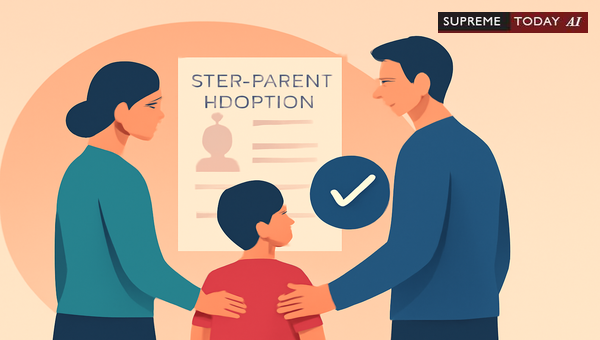
Step-Parent Adoption in India: Step-by-Step Guide
Blended families are increasingly common in modern India, and many step-parents wish to formalize their relationship with step-children through legal adoption. But what is the procedure for adoption by step-parents? This question arises frequently among families seeking to ensure their child's legal security and inheritance rights. Under Indian law, step-parent adoption is permitted but follows a structured, regulated process primarily governed by the (JJ Act), and the . This guide breaks down the steps, requirements, and safeguards, drawing from key legal provisions and judicial insights. Note: This is general information and not specific legal advice; consult a qualified lawyer for your situation.
Legal Framework for Step-Parent Adoption
The JJ Act, , provides a uniform framework for adoptions across religions, including relative adoptions like step-parent cases. explicitly allows adoption of a child from a relative by another relative, irrespective of their religion, can be made as per the provisions of this Act and the adoption regulations framed by the Authority 1975 0 Supreme(SC) 144. This opens the door for step-parents, provided all procedural hurdles are cleared.
Unlike personal laws such as the (HAMA), which may allow simpler processes for Hindus—where no particular form of adoption has been prescribed. The adoption can be done simply by putting a child in the lap of adopting parents by the natural parents 2019 0 Supreme(Jhk) 1816—the JJ Act imposes stricter regulations to prioritize child welfare and prevent misuse. The , detail the process, emphasizing registration on the (CARINGS) and formal consents 2019 2 Supreme 616.
For Indian (PAPs) living in India, the process aligns with applications to Specialized Adoption Agencies (SAAs), as noted: Indian living in India, irrespective of their religion, if interested to adopt an orphan or abandoned or surrendered child, may apply for the same to a , in the manner as provided in the adoption regulations framed by the Authority 2021 0 Supreme(Del) 435. Step-parent adoptions, while relative-based, must still comply with these to ensure transparency.
Step-by-Step Procedure for Step-Parent Adoption
The process is methodical, involving the biological parent, step-parent, (CWC), and court. Here's a detailed breakdown:
Registration on CARINGS: The biological parent and step-parent (as a couple) must register on the CARINGS portal with required documents, such as identity proofs, marriage certificate, and child details 2019 2 Supreme 616. This centralized system tracks adoptions nationwide.
Obtaining Joint Consent: Voluntary, informed consent from the biological parent(s) and step-parent is crucial. It must be in the prescribed format (Schedule XX), attested by two witnesses, and certified by the CWC. The consent affirms the surrender of by the biological parent 2025 0 Supreme(Ker) 283 2019 2 Supreme 616. The CWC verifies voluntariness but does not approve the adoption.
CWC Certification: The CWC certifies the consent letter after ensuring the child's best interests are protected. Their role is limited: The 's role is limited to certifying the consent letter; it does not have authority to approve or disapprove the adoption itself 2019 2 Supreme 616.
Filing Court Application: Submit the application to the competent or with the certified consent, CARINGS details, and supporting documents. The court scrutinizes for compliance, absence of monetary considerations, and child's welfare 2019 2 Supreme 616 1999 9 Supreme 195.
Court Hearing and Verification: The court holds hearings, considers the child's wishes (if age-appropriate), and confirms due process. It must satisfy itself that all legal and procedural conditions are met, including the welfare of the child 1999 9 Supreme 195.
Issuance of Adoption Order: If satisfied, the court grants the order, severing the biological parent's legal ties and establishing the step-parent as the 1975 0 Supreme(SC) 144. Post-order, update records like birth certificates and Aadhaar.
This procedure ensures strict compliance with statutory and regulatory provisions to validate the adoption 2025 0 Supreme(Ker) 283.
Role of Key Institutions and Safeguards
- (CWC): Certifies consent but defers approval to the court 2019 2 Supreme 616.
- Court: Paramount authority, focusing on transparency and welfare. No adoption proceeds without its nod 1999 9 Supreme 195.
- CARINGS and CARA: (CARA) oversees via the portal, preventing illegal adoptions. In one case, courts directed CARA to issue (NOCs) post-adoption orders, emphasizing rule adherence even for Christians unable to use HAMA 2021 0 Supreme(Del) 435.
Judicial safeguards prevent shortcuts. For instance, courts have invalidated informal adoptions lacking statutory compliance, reinforcing that the process must be in accordance with the prescribed regulations 2025 0 Supreme(Ker) 283.
Insights from Related Legal Contexts
Step-parent adoptions intersect with family definitions in other laws. Under pension rules, mother and step mother, including adoptive parents in the case of individuals whose personal law permits adoption are recognized, highlighting step-parents' legal status post-adoption 2020 0 Supreme(Mad) 2292. Similarly, sons include step sons, adopted sons for benefits, underscoring adoption's broad implications 2020 0 Supreme(Mad) 2292.
In inter-country scenarios, even after court-declared adoptions, CARA issues NOCs with progress reports, as directed: CARA is directed to issue the requisite NOC... CARA shall not insist on compliance of provisions of 2021 0 Supreme(Del) 435. Domestically, this mirrors the need for rigorous verification.
Exceptions, Limitations, and Common Pitfalls
- Voluntary Consent Only: Coercion invalidates everything 2025 0 Supreme(Ker) 283.
- Child's Welfare Paramount: Courts prioritize best interests; older children’s views matter 1975 0 Supreme(SC) 144.
- No Bypassing Steps: Informal deeds or HAMA shortcuts fail under JJ Act for non-Hindus or regulated cases 2019 0 Supreme(Jhk) 1816.
- Religious Neutrality: Applies irrespective of faith, unlike HAMA 1975 0 Supreme(SC) 144.
Failure to register or certify consent renders adoptions void. Always avoid monetary exchanges.
Recommendations for Prospective Step-Parents
- Familiarize with CARINGS and regulations early.
- Document consents meticulously with witnesses.
- Engage a family lawyer for filings.
- Prioritize counseling to affirm child's adjustment.
- Post-adoption, update legal documents promptly.
Courts recommend: Adoption agencies and prospective adopters should familiarize themselves with the detailed regulations to avoid procedural lapses (derived from procedural emphases 2019 2 Supreme 616).
Conclusion: Ensuring a Legally Sound Future
Step-parent adoption in India is feasible and encouraged when procedures are followed diligently. By securing joint consents, CWC certification, and court approval under the JJ Act, , and , families can provide legal stability to children. Key Takeaway: Child welfare remains central—no shortcuts allowed. For personalized guidance, reach out to CARA, CWC, or a legal expert. This process not only legalizes bonds but safeguards futures in blended families.
References:- 1975 0 Supreme(SC) 144, 2025 0 Supreme(Ker) 283, 2019 2 Supreme 616, 1999 9 Supreme 195, 2021 0 Supreme(Del) 435, 2020 0 Supreme(Mad) 2292, 2019 0 Supreme(Jhk) 1816
Last updated: Current as per referenced provisions. Laws may evolve; verify latest amendments.
#StepParentAdoption #IndianFamilyLaw #AdoptionIndia















