




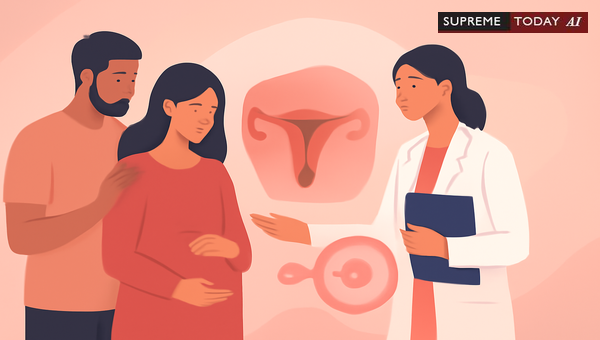
Does IVF Pregnancy Loss Qualify Couples for Surrogacy?
In the emotionally charged world of fertility treatments, many couples turn to IVF hoping for a successful pregnancy. But what happens when a single pregnancy loss occurs during IVF procedures? Does this setback automatically make a couple eligible for surrogacy? This is a common question for navigating India's complex reproductive laws.
The journey to parenthood can be fraught with challenges, including , , or during . Understanding the legal landscape is crucial. This article explores whether such a pregnancy loss opens the door to surrogacy, drawing from key legal precedents, the , and medical insights. Note: This is general information and not specific legal advice. Consult a qualified lawyer for personalized guidance.
Main Legal Finding on IVF Loss and Surrogacy
Pregnancy loss during IVF does not inherently bar or restrict eligibility for surrogacy, provided couples meet the medical and legal criteria under applicable laws. The framework recognizes failed IVF or pregnancy losses as potential justifications for surrogacy, especially with supporting medical evidence and compliance with statutory conditions. 2023 0 Supreme(Kar) 608
The , and its rules do not explicitly prohibit individuals with a history of pregnancy loss or IVF failure from pursuing surrogacy. Instead, the focus is on medical advisories and statutory requirements, not past outcomes alone. 2024 0 Supreme(Mad) 462
Key Points to Understand
- Medical conditions like repeated pregnancy failures justify surrogacy needs, and laws accommodate these. 2023 0 Supreme(Kar) 608
- No explicit prohibition in the Act for those with IVF failures. 2024 0 Supreme(Mad) 462
- Emphasis on current medical fitness over historical pregnancy results. 2023 0 Supreme(Kar) 608
Detailed Medical Justification for Surrogacy
Medical documents often highlight cases where couples face recurrent implantation failures, , , missed abortions, or conditions like uterine fibroids and endometriosis. For example, petitioners have undergone multiple , including , only to experience losses. 2023 0 Supreme(Kar) 608 One case involved a petitioner advised against further due to risks, positioning surrogacy as the sole viable path. 2025 0 Supreme(Ker) 123
These scenarios establish valid medical grounds. When or carrying a pregnancy is impossible or risky, surrogacy becomes permissible. The Act prioritizes medical eligibility over pregnancy history. 2024 0 Supreme(Mad) 462
Insights from IVF practices reinforce this. IVF success rates vary by age and health, and No cure/ no success is not a negligence.
In one instance, a patient with prior pursued IVF after investigations, but low success rates are inherent, not negligent. This underscores that failures are common, supporting surrogacy as a next step.
Legal Framework: Surrogacy Act 2021 and Eligibility
The , defines surrogacy as a practice whereby one woman bears and gives birth to a child for an intending couple with the intention of handing over such child to the intending couple after the birth. 2022 0 Supreme(Guj) 643 The child is deemed biological, entitled to all rights of a natural child.
The Act permits surrogacy for those unable to conceive naturally or with conditions preventing successful pregnancy, emphasizing medical necessity over prior losses. 2025 0 Supreme(Ker) 123 in Writ Petition (Civil) No(s).756/ stayed restrictive amendments to Form 2, allowing and recognizing like pregnancy losses. 2024 0 Supreme(Mad) 462
Earlier frameworks, like the , banned but allowed for eligible couples, excluding certain groups but not those with fertility failures. 2018 0 Supreme(AP) 680
Pregnancy Loss History vs. Surrogacy Eligibility
Repeated losses—biochemical, ectopic, or —are legitimate reasons for surrogacy. The law assesses medical and legal fitness, not penalizing history. communications confirm surrogacy post-failures. 2023 0 Supreme(Kar) 608
Court observations affirm facilitating parenthood for the medically infertile, case-by-case with compliance. 2024 0 Supreme(Mad) 462 For custody, under have directed handover to post-birth, absent breastfeeding mandates in the Act. 2022 0 Supreme(Guj) 643
Exceptions, Limitations, and Requirements
Eligibility isn't automatic. Statutory conditions apply:- Age limits: Strictly enforced for . 2025 0 Supreme(Ker) 123 2025 0 Supreme(Ker) 269- Medical fitness: Certifications required.- Procedural compliance: Consent, eligibility certificates. 2024 0 Supreme(Mad) 462
IVF-related negligence claims fail if standard procedures are followed, as success isn't guaranteed.
Practical Recommendations for
- Document everything: Obtain medical certifications detailing losses and IVF failures.
- Ensure compliance: Verify age, fitness, and procedures.
- Seek legal help: Reference court orders for challenges.
- Explore alternatives: Understand IVF limits before surrogacy.
Conclusion and Key Takeaways
A single pregnancy loss during IVF does not disqualify couples from surrogacy; it may even support eligibility with proper medical backing under the Surrogacy Act, 2021. Courts and laws prioritize access to parenthood for those with genuine medical needs, focusing on current compliance rather than past setbacks.
Key Takeaways:- Pregnancy/IVF losses are valid grounds, not barriers. 2023 0 Supreme(Kar) 608 2024 0 Supreme(Mad) 462- Meet all statutory criteria for smooth processes.- IVF failures are common; surrogacy offers hope.
Always consult professionals. This overview aids understanding but isn't advice. For tailored support, reach out to fertility law experts.
References:1. 2023 0 Supreme(Kar) 608: Medical justification for surrogacy post-IVF failures.2. 2024 0 Supreme(Mad) 462: Court rulings on eligibility and stayed restrictions.3. 2025 0 Supreme(Ker) 123: Cases on medical conditions.4. 2022 0 Supreme(Guj) 643: Act definitions and custody.5.
: IVF success insights. #SurrogacyLaw, #IVFIndia, #FertilityRights














