


Is Swelling Considered Under the Indian Penal Code?
In everyday altercations or accidents, injuries like swelling often raise questions about criminal liability. A common query arises: Whether Swelling is ? Under the Indian Penal Code (IPC), this hinges on definitions of 'hurt,' intent, and context. This post breaks down the legal framework, drawing from key IPC sections and judicial precedents to clarify when swelling may—or may not—constitute an offense. Note that this is general information and not specific legal advice; consult a qualified lawyer for your situation.
Understanding 'Hurt' Under the IPC
The foundation lies in , which defines hurt broadly: whoever causes , disease or infirmity to any person is said to cause hurt. 1969 0 Supreme(Raj) 138 This doesn't require direct contact; any voluntary act causing pain qualifies as hurt. Swelling, as a visible sign of or injury, can fall under this if linked to such an act. 1969 0 Supreme(Raj) 138
Swelling typically indicates tissue damage or inflammation, often accompanied by pain. Courts assess its severity and circumstances to determine if it meets the 'hurt' threshold. For instance, minor puffiness from a light tap might not suffice, but significant swelling from a forceful blow generally does.
What Constitutes ''?
elevates hurt to a voluntary offense: is defined as an act done with the or with . If hurt is caused, it qualifies as . 1981 0 Supreme(Ori) 205 Key elements include:
- Intention or Knowledge: The accused must intend harm or know their act is likely to cause it.
- Causation: The act must directly result in hurt, like swelling.
Without these, even if swelling occurs, it may not be 'voluntary.' For example, means, any act done with an to any person or with knowledge that he is likely thereby to cause hurt to any person, and causes hurt to any person is said 'voluntarily to cause hurt'. 2019 0 Supreme(Kar) 2105
Swelling: or ?
Swelling alone is usually (punishable under ), unless it qualifies as under (e.g., fracture, emaciation, or injury lasting 20 days). Courts examine medical evidence:
- : from swelling without lasting effects. 2016 0 Supreme(Tri) 442
- : If swelling accompanies disfigurement or prolonged impairment. For conviction under Section 325 (voluntarily causing ), prosecution must prove intent or knowledge of likely grievous harm. 1957 0 Supreme(Pat) 213
In one case, actions leading to swelling were deemed deliberate, indicating knowledge of risk. 2012 0 Supreme(Pat) 572 1957 0 Supreme(Pat) 213 However, I cannot hold this to be . To be guilty of voluntarily causing the offender must be proved not only to have caused that , but to have known he was likely to cause it.
Judicial Precedents on Intent and Swelling
Courts emphasize context and evidence:
Intent Proof: For a conviction under Section 325... the prosecution must prove that the accused intended or knew that their actions were likely to cause . The nature of the injury, including swelling, can indicate the accused's intention or knowledge. 1957 0 Supreme(Pat) 213
Case Insights: In a university incident, summons under Sections 323/325 were quashed due to insufficient evidence of hurt or from alleged assaults—no unlawful assembly or rioting proven. This highlights the need for strong proof. case summary
Weapon or Means: Using dangerous weapons escalates to Section 326. Voluntarily causing ; causing voluntarily by using a dangerous weapon or means; voluntarily causing ...
Cognate Offenses: Section 323 () shares ingredients with others like Section 498A (cruelty): The main ingredient of both is ... is a minor offence in comparison. 2016 0 Supreme(Tri) 442 In a domestic violence appeal, conviction under 323 was upheld based on assault evidence. Criminal Appeal summary
Provocation and Exceptions: Lawful acts like self-defense exempt liability. If the act was such that only could reasonably be expected, then even if (like swelling) resulted, the accused may only be convicted for . 1981 0 Supreme(Ori) 205 Provocation may reduce charges, as in Section 335. 2019 0 Supreme(Raj) 2817
Another ruling stressed eyewitness consistency and medical evidence in cases involving assaults. case summary
Key Factors Courts Consider
When evaluating swelling claims:
- Nature of Act: Was it reckless or intentional? 1964 0 Supreme(Cal) 50
- Context: Self-defense or provocation? No offense if lawful. 1964 0 Supreme(Cal) 50
- Medical Evidence: Duration, pain level, and photos/reports crucial.
- Victim's Testimony: Corroborated by independents.
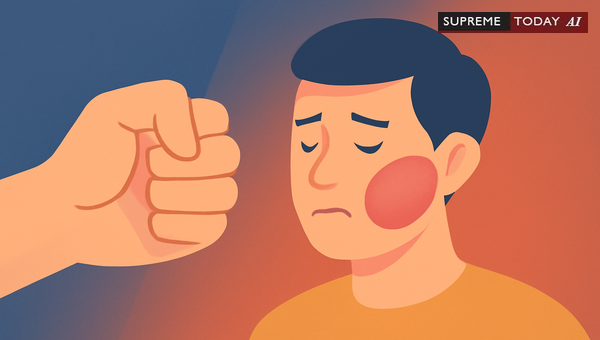
In garbage removal disputes, slaps causing cheek swelling led to IPC convictions, as assaults deterred public duty. 2019 0 Supreme(Kar) 2105
Practical Implications and Defenses
If charged:- Challenge intent: Prove lack of knowledge.- Argue simple vs. grievous: Minor swelling often doesn't qualify.- Raise exceptions: (). 2019 0 Supreme(Raj) 2817
Prosecution must show beyond doubt: Terms '' and 'voluntarily causing ' have been defined under ... A person is not said voluntarily to cause except when he both causes and intends or knows himself to be likely to cause. 2019 0 Supreme(All) 1704
Conclusion and Key Takeaways
Swelling may be classified as if stemming from an intentional or knowingly reckless act causing , per Sections 319 and 321 IPC. However, it typically remains unless grievous. Outcomes depend on intent, context, and evidence—courts quash weak cases but uphold proven ones. 1981 0 Supreme(Ori) 205 1969 0 Supreme(Raj) 138
Key Takeaways:- Prove intent/knowledge for 'voluntary.'- Swelling signals hurt but needs medical backing.- Context matters: Defense or provocation can negate liability.- Always gather evidence in disputes.
References:1981 0 Supreme(Ori) 205 1969 0 Supreme(Raj) 138 1957 0 Supreme(Pat) 213 1964 0 Supreme(Cal) 50
2019 0 Supreme(All) 1704 2019 0 Supreme(Kar) 2105 2016 0 Supreme(Tri) 442
This analysis draws from established precedents; for personalized guidance, seek professional legal counsel.
#VoluntarilyCausingHurt, #IPCHurtCases, #IndianPenalCode















