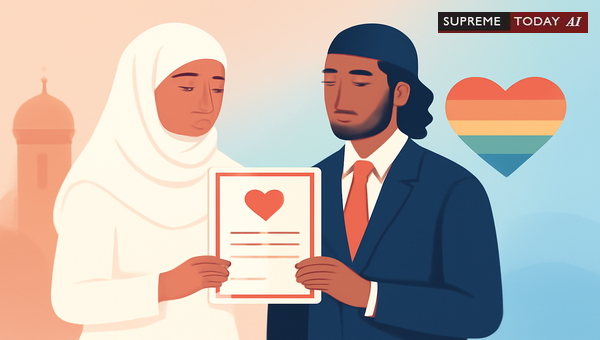
Is Muslim-Transgender Marriage Valid in India?
In today's diverse society, questions about marriage validity across different identities are increasingly common. One such intriguing query is: Marriage between Mohammedan Male and Transgender is Valid or Not? This issue sits at the intersection of personal laws, constitutional rights, and evolving judicial interpretations in India. Whether you're a couple navigating this path or simply curious about legal nuances, understanding the framework is crucial.
This blog post delves into Mohammedan (Muslim personal) law, transgender rights, and how they interplay. We'll explore key principles, judicial precedents, and practical recommendations—always remembering this is general information, not personalized legal advice. Consult a qualified lawyer for your specific situation.
Mohammedan Law on Marriage: Core Principles
Under Mohammedan law, marriages are categorized as valid (sahih), irregular (fasid), or void (batil). A valid marriage is fully lawful, creating all civil rights and obligations. An irregular marriage lacks certain conditions but isn't entirely void, while a void marriage is unlawful from the outset and confers no rights. 2007 0 Supreme(Ker) 479 2012 0 Supreme(Mad) 1563
For inter-religious marriages, a Mohammedan male can validly marry a Kitabia (Jewess or Christian woman), but marriage to an idolatress or fire-worshipper (e.g., Hindu) is irregular, not void. 2010 0 Supreme(Chh) 91 2012 0 Supreme(Mad) 1563. This classification is pivotal when considering a transgender spouse, as their religious background and gender identity come into play.
In one case, the court clarified that section 4 of the Special Marriage Act does not save a second marriage contracted by a Mohammedan male. 2021 0 Supreme(Gau) 351
Dipamani Kalita VS State of Assam
. While this pertains to polygamy, it underscores how personal laws interact with secular statutes like the
Special Marriage Act, 1954.
Transgender Rights and Gender Identity in India
India's legal landscape has progressively recognized transgender individuals' rights. The Supreme Court in landmark judgments affirmed their right to self-identified gender—male, female, or third gender—and to marry in heterosexual relationships. Transgender persons' marriages can be registered under applicable laws. 2023 0 Supreme(SC) 1046 2022 0 Supreme(AP) 53.
The Transgender Persons (Protection of Rights) Act, 2019, reinforces this by mandating recognition of gender identity. Judicially, the National Legal Services Authority (NALSA) v. Union of India case established that self-identified gender can be either male or female or a third gender. Hijras are identified as persons of third gender and are not identified either as male or female. 2024 0 Supreme(Mad) 963. This ruling mandates horizontal reservations and protects against discrimination under Articles 14, 15, 16, 19, and 21.
Further, courts have directed amendments to laws like the Registration of Births & Deaths Act, 1969, to allow gender changes post-surgery. The court found that existing law does not accommodate such changes, necessitating amendments to align with the Transgender Act. 2024 0 Supreme(Kar) 585. In enrollment contexts, like the National Cadet Corps, transgender persons with self-perceived identity are entitled to recognition: The court emphasized the right to self-perceived gender identity. 2007 0 Supreme(Ker) 479 2024 0 Supreme(Ker) 414).
These developments mean a transgender individual identifying as female could potentially align with Mohammedan marriage requirements, provided other conditions are met.
Applying the Law: Validity of Marriage Between Mohammedan Male and Transgender
So, is such a marriage valid? Generally, it may be valid if it satisfies Mohammedan law essentials and respects the transgender person's gender identity. If the transgender individual identifies as a woman and the marriage follows formalities (e.g., offer, acceptance, dower), it could be sahih. However, if the transgender person was raised Hindu without conversion, it might be irregular (fasid), not batil—meaning some rights persist, like maintenance for children. [Shamsudeen VS Mohammed Salim - Kerala 2012 0 Supreme(Mad) 1563.
Key factors include:- Gender Identity: Post the Transgender Act, official recognition (e.g., via ID certificate) supports their chosen gender for marriage. 2023 0 Supreme(SC) 1046.- Religion: Conversion to Islam might strengthen validity; otherwise, interfaith rules apply.- Formalities: Registration under the Special Marriage Act provides secular validity, bypassing some personal law hurdles. Note, however, Special Marriage Act doesn't always save polygamous Muslim marriages. 2021 0 Supreme(Gau) 351.
In a child marriage context under Muslim law, courts upheld validity if parties are post-puberty, emphasizing personal rights over parental objections. 2023 0 Supreme(P&H) 1607. This indirectly supports adult consensual marriages.
Judicial Insights and Case Examples
Courts have addressed transgender inclusion broadly:- Birth Certificate Amendments: Directed to reflect gender identity, aiding legal recognition. 2024 0 Supreme(Kar) 585.- Reservations: Transgenders as a distinct class, not caste, entitled to horizontal quotas. 2024 0 Supreme(Mad) 963.- Institutional Access: Enrollment in NCC for post-surgery transwomen, directing criteria updates. 2024 0 Supreme(Ker) 414.
No direct precedent voids Muslim-transgender unions outright. Instead, emphasis is on dignity and equality. U.S. comparisons note discrimination persists but aren't binding here. 2023 0 Supreme(SC) 1046 2024 Supreme(US)(ca10) 87).
Practical Recommendations
To maximize validity and protection:1. Document Gender Identity: Obtain certificates under the Transgender Act.2. Choose Registration Route: Opt for Special Marriage Act for civil recognition, or follow Nikah rites with registration.3. Consider Conversion: If needed for orthodox validity.4. Seek Pre-Marital Counseling: Address potential family or societal issues.5. Legal Consultation: Essential, as outcomes vary by facts.
Parental objections don't invalidate post-puberty marriages under Muslim law. [2023 0 Supreme(P&H) 1607).
Conclusion and Key Takeaways
A marriage between a Mohammedan male and transgender individual is likely valid or at worst irregular under Indian law, balancing personal laws with constitutional protections. Transgender rights have transformed the discourse, prioritizing self-identity. [Supriyo @ Supriya Chakraborty VS Union of India - Supreme Court 2007 0 Supreme(Ker) 479 2022 0 Supreme(AP) 53).
Key Takeaways:- Mohammedan law permits valid marriages with caveats on faith; irregular ones offer partial rights. [Shamsudeen VS Mohammed Salim - Kerala 2012 0 Supreme(Mad) 1563.- Supreme Court and statutes affirm transgender marriage rights.- Register for enforceability.
This evolving area promises more clarity ahead. Stay informed, respect identities, and prioritize legal safeguards. For tailored advice, contact a family law expert.
References: 2023 0 Supreme(SC) 1046 2022 0 Supreme(AP) 53 2007 0 Supreme(Ker) 479 2012 0 Supreme(Mad) 1563 2024 0 Supreme(Kar) 585 2024 0 Supreme(Mad) 963 2024 0 Supreme(Ker) 414 2023 0 Supreme(P&H) 1607 2021 0 Supreme(Gau) 351
Dipamani Kalita VS State of Assam
#TransgenderRights #MuslimMarriage #IndianLaw