


Only Practicing Advocates Can Vote in Bar Elections: Essential Case Law Insights
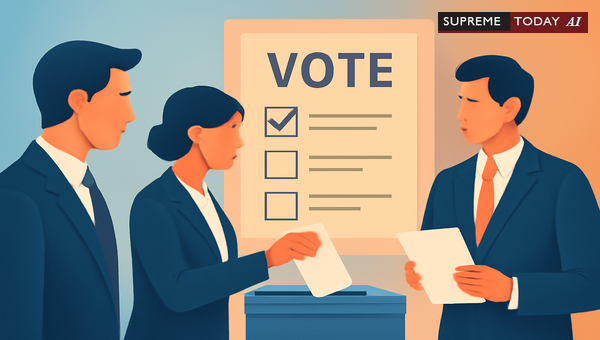
In the dynamic world of Indian legal practice, bar association elections play a crucial role in shaping professional standards, court assistance, and advocate welfare. A common question arises: Case Law only Practicing Advocates Allowed to Vote Non Practicing Advocates Not Entitled to Caste Vote. This issue has been clarified through pivotal judgments, particularly concerning court-affiliated bar associations like the Bar Association (SCBA). Understanding these rules is vital for advocates aiming to participate in elections while upholding the profession's integrity.
This article explores the legal framework, rationale, and practical implications based on established case law and related sources. Note: This is general information and not specific legal advice. Consult a qualified lawyer for personalized guidance.
Voting Rights Restricted to Practicing Advocates in Court-Affiliated Bars
Court-annexed bar associations, such as the SCBA, limit voting rights to practicing advocates only. Non-practicing advocates are explicitly not entitled to vote in these elections. 2011 6 Supreme 417 2012 0 Supreme(SC) 471.
The SCBA, formed to represent advocates regularly practicing in the , emphasizes functions like ensuring member conduct and aiding the court. Enrolling non-practicing advocates would undermine these objectives. 2011 6 Supreme 417. The further ensures members vote in only one association's elections, preventing multiple influences. 2011 6 Supreme 417 2012 0 Supreme(SC) 471.
Rationale for Excluding Non-Practicing Advocates
The core purpose of these associations justifies the restriction. They exist to safeguard interests of those actively appearing before the specific court. Their functions include ensuring proper conduct of members and providing assistance to the court. Enrolling non-practicing advocates as members is seen as inconsistent with these aims. 2011 6 Supreme 417.
This aligns with broader efforts to maintain election integrity. Sources highlight that only advocates with continuous practice—typically two or three years—are eligible to vote or contest, barring non-practitioners or fakes. 2023 0 Supreme(All) 909 2023 0 Supreme(Pat) 398. Such measures prevent misuse and ensure decisions reflect genuine practitioners' views.
Legal Basis: Statutory Rights Subject to Association Rules
The SCBA's rules, framed under the , are upheld as legally sound. Courts affirm the association's authority to amend rules restricting voting to practicing members. 2011 6 Supreme 417.
Importantly, the right to vote in bar associations is a , not a fundamental right, making it subject to qualifications in the rules. Arguments claiming infringement of fundamental rights or alteration of association aims have been rejected. 2011 6 Supreme 417.
Supporting this, the and related rules link voting to active practice. It is that any person/voter cannot be disfranchised except in accordance with law, though right to vote is not a fundamental right, but nonetheless, is a . 2022 Supreme(Online)(Kar) 58740. Bar Councils verify practice to exclude non-practitioners. 2021 0 Supreme(Mad) 2782 2023 Supreme(Online)(MAD) 25295.
Defining a 'Practicing Advocate': Criteria and Verification
While no uniform definition exists across all bars, the SCBA sets clear benchmarks, such as a minimum number of appearances or filings per year. 2012 0 Supreme(SC) 471. These can be refined by the executive committee. 2012 0 Supreme(SC) 352.
Other sources reinforce this:- Advocates practicing in specific courts, like Devanahalli, must prove active involvement. 2022 Supreme(Online)(Kar) 58740.- Distinctions exclude those in other professions or with insufficient practice (e.g., less than one year). 2025 3 Supreme 477 2021 0 Supreme(Mad) 2782.- Bar rules identify non-practicing advocates via lists, barring them from practice privileges and elections. Non practicing advocates as included in the list of 'non-practicing advocates' are not entitled to practice law and to other privileges and rights. 2017 0 Supreme(Ker) 1521.
Verification processes, including screening committees, differentiate active practitioners from others, potentially categorizing some as Non Active Advocates with reduced rights like voting or chambers. 2014 0 Supreme(Del) 606.
Key Criteria for Practicing Status
- Minimum Practice Period: Often 2-3 years continuous practice. 2023 0 Supreme(All) 909.
- Court Appearances: Regular filings or appearances required. 2012 0 Supreme(SC) 471.
- Exclusion Factors: Involvement in other businesses, non-response to verification, or fake enrollment. 2016 0 Supreme(Pat) 1149 2016 0 Supreme(P&H) 2533.
Measures to Uphold Integrity: Tackling Non-Practitioners and Fakes
Bar Councils actively combat issues:- Publish lists of defaulting or non-practicing advocates, removing them from electoral rolls after notice. 2016 0 Supreme(Pat) 1149.- Resumption rules allow return to practice, but with notifications excluding them from non-practicing lists. In case application for resumption is allowed, the name of the applicant shall be taken out of the list of the 'non-practicing advocates'. 2016 0 Supreme(P&H) 2533.- Courts quash wrongful exclusions for genuine practitioners but uphold removals for non-active ones.
.
These steps, backed by the , ensure only committed advocates influence elections. 2022 0 Supreme(Tri) 202.
Exceptions, Limitations, and Broader Applicability
Restrictions primarily apply to court-affiliated bars like SCBA. Documents do not specify voting rights for non-practicing advocates in non-court bars. 2011 6 Supreme 417. Temporary inactivity or associate memberships remain unaddressed.
However, trends suggest similar principles elsewhere: To distinguish between practicing advocates of Tis Hazari Courts and 'other courts' and to such 'other advocates' by taking away the right of vote. 2014 0 Supreme(Del) 606. State Bar Councils also limit rolls to verified practitioners.
.
Key Takeaways and Recommendations
- Only practicing advocates typically vote in court-annexed bar elections, per case law. 2011 6 Supreme 417 2012 0 Supreme(SC) 471.
- Verify your status via appearances, filings, or committee approval to avoid disenfranchisement.
- Election integrity prioritized through verifications excluding non-practitioners and fakes.
- Seek clarification for specific bars, as rules may vary.
In summary, Indian jurisprudence firmly supports restricting bar voting to active practitioners, fostering a professional body aligned with court needs. This framework, rooted in statutory provisions and judicial precedents, safeguards the bar's credibility. For tailored advice, especially amid evolving rules, consult legal experts or your bar's executive.
#BarElections, #AdvocatesVotingRights, #LegalPracticeIndia












