




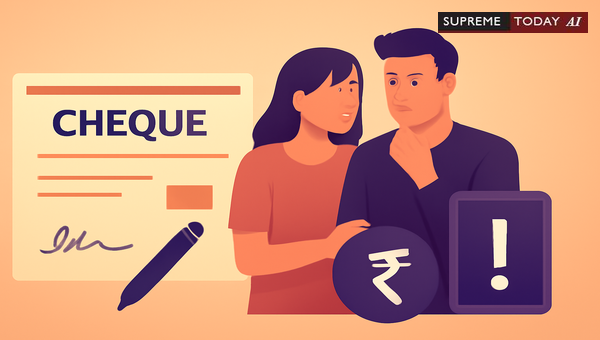
Is a Wife Liable if Husband Issues Cheque from Her Account Without Knowledge? Explained
In today's digital age, banking and financial transactions are commonplace, but what happens when a family member, like a husband, uses a spouse's bank account without permission? Imagine this scenario: A husband, trying to settle a debt, issues a cheque from his wife's account without her knowledge. The cheque bounces due to insufficient funds, triggering a complaint under . Is the wife liable?
This is a common question in cases, especially in households with . Under Indian law, liability under Section 138 is not automatic for account holders. This blog post dives deep into the legal principles, key judgments, and exceptions to help you understand your rights and responsibilities.
Disclaimer: This article provides general information based on judicial precedents and is not a substitute for professional legal advice. Consult a lawyer for case-specific guidance.
The Core Legal Question
A Husband to Discharge Liability Issued a Cheque of his Wife Without her Knowledge. Whether Wife is Liable if Cheque Got Dishonored under 138 NI Act?
The short answer: Generally, no. Liability under attaches primarily to the drawer of the cheque—the person who signs and issues it knowingly for discharging a debt or liability. If the wife neither signed the cheque nor authorized its issuance, she is typically not under this section. [
#Section138, #ChequeBounce, #NIACT












