


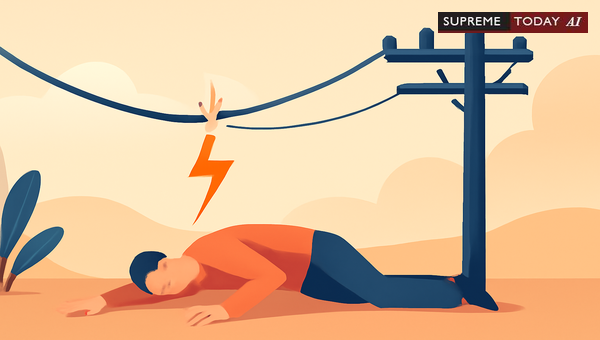
SDO Grid Corporation Case: When Fail in Snapped Wire Accidents
Electrocution deaths from snapped live wires are tragic, often sparking urgent demands for compensation. But what happens when families file under against electricity authorities like ? The question arises: sdo grid corporatiuon case – does the or entertain such pleas, especially when is disputed?
This blog delves into pivotal and rulings, particularly the SDO Grid Corporation case, clarifying that isn't the forum for resolving factual disputes over . Instead, these matters typically belong in . We'll break down the legal principles, key judgments, exceptions, and insights from related cases. Note: This is general information based on judicial precedents and not specific legal advice. Consult a qualified lawyer for your situation.
Main Legal Findings from Key Judgments
Courts have consistently ruled that under Article 226 should not be used for accidents or deaths due to snapped live wires unless is clearly and conclusively established. , like whether the wire snapped due to poor maintenance or external factors, demand evidence-based trials in appropriate forums.
Key points include:- Disputed facts on cannot be decided in writ proceedings 2010 0 Supreme(Gau) 471 2011 0 Supreme(J&K) 127.- Mere contact with a snapped live wire doesn't prove ; it must be shown the authority failed in maintenance 2011 0 Supreme(J&K) 127.- Writs are inappropriate for contested ; allow proper evidence examination 2011 0 Supreme(J&K) 127.- Compensation awards in writs are disapproved if is disputed 2011 0 Supreme(J&K) 127.
These principles stem from observations emphasizing .
Detailed Analysis: Principles
In Chairman, Ltd.2010 0 Supreme(Gau) 471, the held that serious disputes over incident causes—like why a power line snapped—make improper. The Court noted, there was serious disputed question of fact as to the cause of snapping of power line, and thus, the writ petition was not the proper remedy 2010 0 Supreme(Gau) 471.
The SDO Grid Corporation case 2011 0 Supreme(J&K) 127 reinforces this, relying on . Here, the Court clarified: the mere fact that the wire of the electric transmission line belonging to the appellant had snapped and the deceased had come in contact with it and died was not by itself sufficient for awarding compensation. requires factual inquiry, unsuitable for affidavits alone. Affidavits alone cannot resolve complex factual disputes involving , and that these questions could not have been decided properly on the basis of affidavits only 2011 0 Supreme(J&K) 127. Civil courts are the right venue.
Applied to SDO Grid Corporation, courts reject writ-based relief on mere allegations. Factual disputes over snapping causes must go to trial, disapproving affidavit-reliant writs 2011 0 Supreme(J&K) 127.
Application to SDO Grid Corporation and Similar Matters
In the SDO Grid Corporation context, unless is undisputed, writs fail. Courts stress: disputed questions of facts are involved under Article 226 of the Constitution is not a proper remedy 2011 0 Supreme(J&K) 127. This protects , ensuring electricity boards like aren't hastily liable without proof.
Insights from Related Cases
Other judgments reference SDO Grid and , showing nuanced applications:
In a case involving 2021 0 Supreme(Gau) 791, the court directed compensation per an Office Memorandum for a fatal accident, but allowed private remedies. It noted reliance on SDO Grid and M.P. Electricity Board, yet focused on statutory inquiry under sections like 161. This Court holds that it is the compensation prescribed in the Office Memorandum which is payable 2021 0 Supreme(Gau) 791. This highlights when inquiries establish liability.
Contrasting, in a Delhi electrocution 2020 0 Supreme(Del) 889, was apparent on the face of the record, awarding Rs. 8 lakhs. Referencing and SDO Grid, the court affirmed writ powers where facts are clear: Where the of the state/state authorities is clear from the record, appropriate compensation... can be awarded 2020 0 Supreme(Del) 889.
A Gujarat suit under 2013 0 Supreme(Guj) 548 dismissed appeals against compensation, distinguishing SDO Grid as it involved contact with electric connection but proceeded via civil suit.
In Tamil Nadu 2012 0 Supreme(Mad) 4128, wasn't barred; electricity boards couldn't claim '' for poor maintenance. Compensation used principles for a fisherman electrocuted.
Another case 2012 0 Supreme(Pat) 984 found SDO Grid inapplicable, imposing : In absence of effective denial... and in view of '' upon the respondents... the respondents are liable to pay the compensation. Reports confirmed electrocution, no denial.
These illustrate courts award relief in writs only when is evident, aligning with SDO Grid's caution against disputed facts.
Exceptions and Limitations
Writs may proceed if:- is undisputed or clear from records 2011 0 Supreme(J&K) 127.- No genuine factual disputes exist 2020 0 Supreme(Del) 889.
However, substantial disputes direct parties to civil/criminal courts 2011 0 Supreme(J&K) 127. High Courts retain discretion under Article 226 but self-limit on facts 2020 0 Supreme(Del) 889 2012 0 Supreme(Pat) 984.
Practical Recommendations
- File in civil/criminal courts for disputes involving evidence 2010 0 Supreme(Gau) 471.
- Use writs sparingly when facts conclusively prove liability 2011 0 Supreme(J&K) 127.
- Rely on inquiries: Statutory reports under can strengthen claims 2021 0 Supreme(Gau) 791.
- Preserve rights: Writ payments don't bar further suits 2021 0 Supreme(Gau) 791.
Authorities should maintain lines diligently; petitioners, gather robust evidence beyond affidavits.
Conclusion: Key Takeaways
The SDO Grid Corporation case and precedents like establish that Article 226 isn't for debating snapped wire . Courts prioritize proper adjudication, safeguarding fairness. While tragic losses demand justice, the path is through suited forums unless facts are crystal clear.
Familiarity with these rulings empowers informed decisions. For electricity accident claims, assess disputes early—writs offer speed but not for facts in contest. Stay safe, and seek professional guidance tailored to your case.
References:1. 2010 0 Supreme(Gau) 471: case on disputed facts.2. 2011 0 Supreme(J&K) 127: SDO Grid emphasizing civil trials.3. Additional cases: 2021 0 Supreme(Gau) 791, 2020 0 Supreme(Del) 889, 2013 0 Supreme(Guj) 548, 2012 0 Supreme(Mad) 4128, 2012 0 Supreme(Pat) 984.
#SDOGridCase, #WritPetitionNegligence, #ElectrocutionLaw












