
 Back
Back





HIGH COURT OF JUDICATURE AT ALLAHABAD
Saurabh Srivastava, J.
Vinod Kumar and another - Applicants
Versus
State of U.P. and another - Opposite Parties
APPLICATION U/S 528 BNSS No. - 12713 of 2026
Decided On : 20-05-2026
| Table of Content |
|---|
| 1. case identification and procedural context of the challenge. (Para 1 , 2) |
| 2. contention that criminal proceedings are malicious and civil in nature. (Para 3 , 4 , 5 , 6) |
| 3. rebuttal based on forensic evidence and separate criminal liability. (Para 7 , 8 , 9 , 10 , 11) |
| 4. analysis of precedents governing the parallel nature of civil and criminal proceedings. (Para 12 , 13 , 14) |
| 5. mandatory procedure and disclosure required under section 190 crpc when taking cognizance after police final report rejection. (Para 15 , 16 , 17 , 18) |
| 6. remand of the matter for proper procedural adherence by the magistrate. (Para 19 , 20) |
JUDGMENT :
SAURABH SRIVASTAVA, J.
1. Heard Sri Manu Khare, learned counsel appearing on behalf of applicants, Sri Arvind Agrawal, learned counsel appearing on behalf of opposite party no. 2 and learned AGA for State.
2. The instant matter has been preferred for challenging order dated 26.2.2026 passed by learned Chief Judicial Magistrate, Farrukhabad in Misc. Case no. 89 of 2026 arising out of Case Crime no. 423 of 2023 in pursuance to sections 420, 467, 468 and 471 IPC, PS- Kotwali, District Farrukhabad.
3. Learned counsel appearing for applicants submitted that the entire story whatsoever has been submitted through narration of the FIR has already been inquired in detail by concerned Investigating Officer which culminated into preferring Final Report in favour of the applicant wherein it has been found that no such offence has ever been carried out at the behest of applicants as narrated through FIR at the behest of opposite party no. 2.
4. While challenging order dated 26.2.2026 whereby learned trial court rejected Final Report and after taking cognizance of offence summoned the applicants, it is submitted that the same is not maintainable since the learned court concerned once rejected the entire Final Report, no other material is available before learned court concerned for taking cognizance of offence.
5. It is the ground taken up by learned counsel for the applicants that a civil proceedings has already been initiated at the behest of opposite party no. 2 wherein family settlement/award dated 12.12.2004 has been put under challenge, although challenge in shape of Original Suit no. 283 of 2017 (Vivek Kumar and others Vs. Vinod Kumar and others) is also highly belated which is still pending to be adjudicated by learned court concerned since 2017 and the objection to the award has already been preferred at the behest of opposite party no. 2 under Section 47 CPC on dated 14.12.2016.
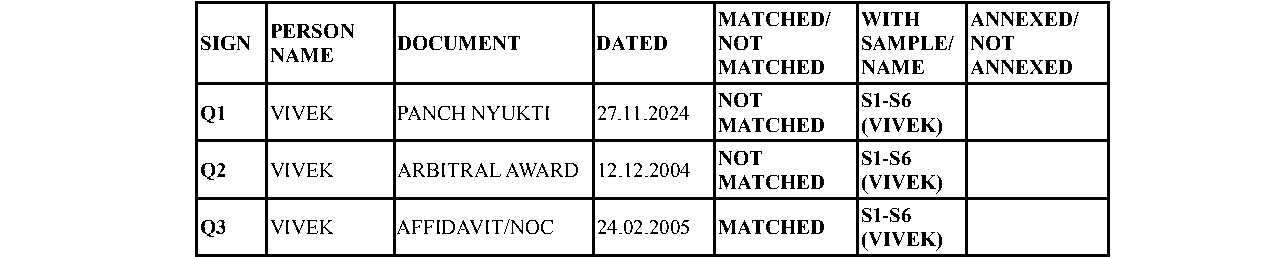
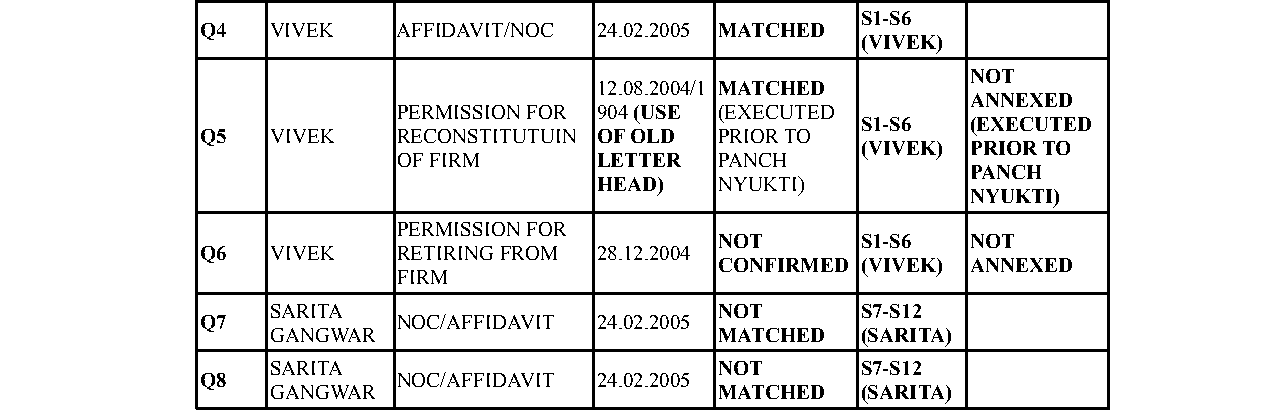
6. The attention of this Court has been sought by learned counsel for applicants over the objection which has already been preferred at the behest of opposite party no. 2 way back in the year 2016 itself and the same are indicating in respect of genuineness and questioning the existence of document which he never signed rather if signed, the same blank papers in shape of stamp papers have already been obtained by the applicants. In view of aforementioned facts and circumstances, learned counsel for the applicants demonstrated the fact that entire settlement/award came into the knowledge of the opposite party no. 2 way back in the year 2016 itself and even after preferring Original Suit for cancellation of the family settlement which has been registered as Original Suit no. 283 of 2017 (Vivek Kumar and others Vs. Vinod Kumar and others) implication of the applicants have been made through FIR which has been registered at Case Crime no. 423 of 2023 in pursuance to sections 420, 467, 468 and 471 IPC which is nothing but trying to give criminal colour to the controversy which is pending to be adjudicated in civil proceedings, although matter has been inquired by concerned Investigating Officer and after conducting detailed investigation it has been found that no such offence has been carried out by the applicants and a Final Report has been submitted by concerned Investigating officer by way of submitting explicit narration that n

The pendency of civil proceedings does not bar criminal prosecution where the FIR discloses the essential ingredients of a cognizable offence. Criminal and civil remedies are not mutually exclusive a....


The existence of civil proceedings does not bar criminal prosecution for allegations of forgery, as distinct standards apply to criminal and civil liability.

Civil and criminal proceedings can coexist; criminality in FIR justifies cognizance despite ongoing civil disputes.

A civil dispute can have criminal implications; however, specific allegations of forgery constitute a cognizable offence that warrants investigation despite the existence of civil proceedings.

Mere pendency of suit cannot be made a ground for quashing criminal proceedings – Entire prosecution story could not be disbelieved on the ground of delay.


The court established that allegations of forgery and cheating can coexist with civil disputes, allowing for criminal proceedings to continue.



An indispensable Tool for Legal Professionals, Endorsed by Various High Court and Judicial Officers
Please visit our Training & Support
Center or Contact Us for assistance

Scan Me!
India’s Legal research and Law Firm App, Download now!


For Daily Legal Updates, Join us on :



 Back to top


