


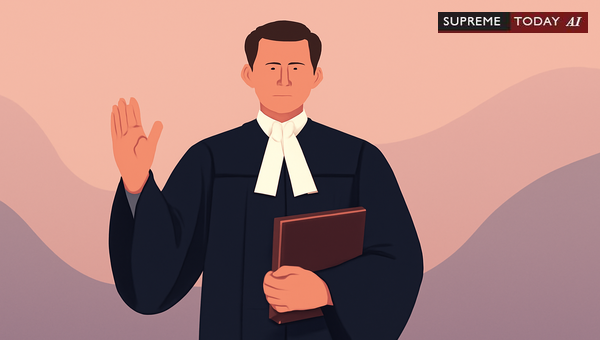
Can Advocates Wear Gown and Band in Their Own Case? A Comprehensive Guide
In the solemn halls of , decorum and tradition play a pivotal role. But what happens when an advocate steps from the role of counsel to that of a litigant? A common question arises: Can an Advocate Appear in his own Case with Gown and Band? This issue touches on , judicial precedents, and the . While advocates enjoy certain privileges when representing clients, these do not extend to personal matters. This blog post delves into the legal landscape, drawing from key judgments and rules to clarify the position.
The General Rule: Disrobe When Acting as a Litigant
Generally, an advocate in India cannot appear in their own case wearing the traditional gown and band. Long-standing judicial practice requires advocates acting as litigants in person to disrobe and appear as ordinary members of the public. This maintains and distinguishes professional representation from personal advocacy. Courts have consistently held that the privileges of robes are linked to exercising the profession for others, not oneself. 1972 0 Supreme(Kar) 263 2021 0 Supreme(All) 1566
Key points include:- Dress Code for Professionals: Advocates must wear gowns and bands when appearing before courts as per rules and High Court regulations. 1972 0 Supreme(Kar) 263 2021 0 Supreme(All) 1566- Litigants in Person: When representing themselves, advocates shed professional attire to uphold decorum. 2014 0 Supreme(Mad) 685 2015 0 Supreme(Ker) 1276- No Privilege Claim: Courts deny advocates the right to wear robes or occupy counsel seats in personal cases. 1972 0 Supreme(Kar) 263 2014 0 Supreme(Mad) 685
This practice is rooted in the principle that advocacy rights under , apply when practicing the profession, not in a personal capacity.
Historical and Judicial Precedents
The tradition dates back decades, reinforced by landmark cases. In T. Venkanna v. Hon’ble (AIR 1973 Mysore 127), the court explicitly stated that advocates cannot argue their own cases in robes and must appear without professional attire. 1972 0 Supreme(Kar) 263 The rationale? Robes symbolize representation of others, not self-interest.
Similarly, the in Conybeare () ruled that barristers must argue personally without professional privileges or appear through counsel. 2014 0 Supreme(Mad) 685 , including the and , echo this: advocates as litigants must appear in plain dress. 2015 0 Supreme(Ker) 1276
In a case, an advocate petitioning in a (PIL) insisted on wearing robes, claiming enrollment with the . The court rejected this, holding: An advocate appearing in person in a does not practice his profession and therefore, is not entitled to argue with his robes on. 2014 0 Supreme(Mad) 3676
Another instance from the emphasizes: A person cannot appear or plead before a court of law in , one as party and other as an Advocate and if an Advocate is appearing as , he should in order to maintain the norms and decorum of the legal profession, appear before the court of law as party in person taking off the band and robes prescribed for legal practitioner. 2016 0 Supreme(Ker) 963
Legal Framework: Advocates Act and Bar Council Rules
The , and rules thereunder prescribe attire for court appearances. empowers High Courts to regulate advocate conduct, including dress codes adopted from Bar Council standards. These rules do not permit robes for self-representation. When acting personally, advocates are treated as laypersons, subject to general courtroom norms. 2021 0 Supreme(All) 1566 2015 0 Supreme(Ker) 1276
Tribunals like the (NCLT) cannot impose conflicting dress codes, as jurisdiction lies with High Courts and the Bar Council. In one case, the quashed an NCLT order: The lacks jurisdiction to impose a dress code for advocates, which is regulated solely by the Bar Council under the Advocates Act. 2023 Supreme(Online)(Mad) 49874
Practical and Ethical Implications
This restriction preserves judicial clarity—avoiding confusion between counsel and party roles. It upholds dignity: advocates in robes might imply professional engagement, blurring lines. Courts have warned against misrepresentation; for instance, a law intern was cautioned for appearing without disclosing non-enrollment status. 2023 0 Supreme(Del) 115
Litigants in person, even advocates, cannot claim Bar privileges like specific seating. As noted in a ruling: Litigants/Parties appearing in person cannot claim the same privileges/rights being given to the members of the Bar/Advocates, and they cannot occupy/use the chairs, tables provided for the Advocates. 2003 0 Supreme(Mad) 577
Ethical considerations extend to avoiding dual capacities. In industrial disputes, advocates cannot masquerade as 'officers' of employer associations to bypass rules, as they lack employer-employee ties. 2009 0 Supreme(P&H) 1965
Exceptions and Nuances
Rare exceptions may exist in specific tribunals if rules explicitly allow, but this is not the norm. No statutory provision permits robes for personal cases; precedent governs. Summer relaxations apply (e.g., white shirt with black tie instead of full coat), but only for professionals, not litigants. 2023 Supreme(Online)(Del) 17164
Advocates should:- Disrobe for personal appearances to respect tradition.- Review local High Court rules.- Avoid arguing dual roles to prevent . 2016 0 Supreme(Ker) 963
Key Takeaways and Recommendations
In summary, prevailing judicial decisions and professional norms dictate that advocates cannot appear in their own case with gown and band. They must appear in plain dress as litigants in person. 1972 0 Supreme(Kar) 263 2014 0 Supreme(Mad) 685 2015 0 Supreme(Ker) 1276 2021 0 Supreme(All) 1566
Recommendations:- For Advocates: Familiarize with precedents; disrobe to avoid decorum breaches.- For Courts: Enforce consistently for uniformity.- General Advice: Consult local rules, as practices may vary slightly.
This post provides general information based on judicial precedents and is not legal advice. Practices may evolve; seek professional counsel for specific cases.
Stay informed on Indian legal etiquette—decorum defines our profession.
#AdvocateDressCode, #IndianCourtLaw, #LitigantInPerson












