


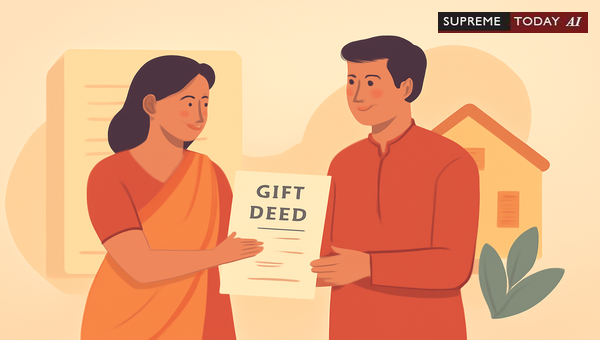
: Is Required for ?
In Hindu families, often sparks disputes when gifted to one member. Imagine a father gifting a portion of land to a son via a , intending it as his share. Years later, can that son still claim more from the family estate? The burning question is: In the case of receipt of as share by , is it necessary to have an to be estopped from claiming additional share in family property?
This issue hinges on ancient Hindu law principles governing , gifts, and . While gifts out of are common, they don't automatically bar future claims unless clearly waived. This post dives into court rulings, analyzes key doctrines, and offers insights to help families navigate these waters. Note: This is general information based on case law, not specific legal advice. Consult a lawyer for your situation.
Main Legal Finding
Generally, no—an is not automatically required, but the absence of one means the recipient isn't estopped from claiming more. A gift of doesn't inherently relinquish future rights in the family estate. Courts emphasize that or waiver demands clear, unequivocal, and voluntary relinquishment, not presumed from the gift alone. 2003 8 Supreme 691
Key points include:- Gifts of ancestral (coparcenary) property are often invalid unless for and within limits; they don't bar donors or coparceners from future claims without explicit waiver. 1883 0 Supreme(SC) 23- Mere possession or family residence post-gift doesn't imply waiver. Intention must be explicit. 2024 0 Supreme(AP) 568- Gifts out of fall short of like charity, per . 2003 8 Supreme 691
In , the court ruled such gifts don't preclude rights assertion. 2024 0 Supreme(AP) 568
Nature of Gifts
Under Hindu law, belongs to the (coparcenary), passing undivided by . A manager () can gift only for or —not arbitrarily. Even valid gifts don't sever ties to the remaining estate unless specified.
A gift of , especially when made without an , does not automatically bar the donor or other coparceners from claiming rights or shares in the family estate. 1883 0 Supreme(SC) 23
This contrasts with partitions, which divide shares definitively. Gifts transfer but preserve coparcenary interests unless waived. The vests in the , yet family rights persist if not relinquished. 2009 0 Supreme(Raj) 975
Requirement for and
arises from conduct inducing reliance, barring contradictory claims. Waiver needs intent to abandon rights. Courts reject presumptions from gifts alone:
The doctrine of or waiver requires a clear, unequivocal, and voluntary relinquishment of rights, which is not presumed solely from the act of making a gift. 2003 8 Supreme 691
In family contexts, conduct like acknowledging full satisfaction or disowning claims might suffice, but not the deed itself. Mere receipt as share via gift doesn't estop without language like this is my full portion; I waive all future claims.
Insights from Related Case Law
Other judgments reinforce this. In a case, heirs weren't estopped from claims despite a waiving ancestral rights—distinguishing property types. The does not waive heirs' rights to . 2025 0 Supreme(Del) 548
Another ruling barred plaintiffs via due to prior admissions in a , not just a gift: plaintiffs are estopped from claiming that they had become owner of suit property by virtue of any . 2024 0 Supreme(P&H) 1343
Gifts differ from settlements: is a and not a —By , the executing document the original land lord divested himself of the right... but correspondingly the recipients did not divest themselves of all or any of their rights. 2009 0 Supreme(Raj) 975 2009 0 Supreme(Raj) 977
In property disputes, suits for cancellation post-gift were rejected if time-barred, underscoring need for timely action but not automatic . 2022 0 Supreme(Guj) 981
A case involving gift deeds of claimed ancestral shares saw no jurisdictional bar to challenging them, as suits had distinct causes. 2019 0 Supreme(Telangana) 346
These highlight: gifts don't equate to full relinquishment without more.
Presumption, Conduct, and Family Arrangements
Courts presume no waiver from gifts or residence. The presumption of waiver or cannot be drawn solely from the act of making a gift or from family residence or possession. 1883 0 Supreme(SC) 23
Family arrangements may mimic partitions but need explicit relinquishment. Without it, claims persist. In electricity connection writs over ancestral shares, possession claims were weighed without from prior settlements. 2013 0 Supreme(Mad) 2360
Exceptions and Limitations
can apply if:- explicitly waives future rights: If the explicitly states that the or recipient waives all future rights or claims in the family estate, then may be created. 2024 0 Supreme(AP) 568- Conduct shows relinquishment, e.g., receipts of full share or disowning claims. 2003 8 Supreme 691- validate gifts (charity/religion), but not affection alone. 2003 8 Supreme 691
Practical Recommendations
To avoid litigation:- Include explicit clauses: The recipient hereby waives all further claims to family/.- Document agreements: Use registered family settlements over gifts for clarity.- Seek legal review: Ensure compliance with and .- Register properly: Unregistered transfers fail. 2025 0 Supreme(Del) 548
When drafting gift deeds of , it is advisable to include explicit clauses wherein the donor expressly waives future claims or rights in the family estate to prevent future disputes.
Conclusion and Key Takeaways
Receipt of via doesn't automatically estop additional claims without or clear conduct. Courts prioritize explicit intent to uphold family harmony while protecting birthrights. 1883 0 Supreme(SC) 23 2003 8 Supreme 691 2024 0 Supreme(AP) 568
Key Takeaways:- Gifts ≠ automatic waiver; require express terms for .- Distinguish ancestral from self-acquired; waivers don't cross over. 2025 0 Supreme(Del) 548- validate; affection doesn't suffice.- Document meticulously to preempt disputes.
References:1. 1883 0 Supreme(SC) 23 – Gifts without waiver don't bar claims.2. 2003 8 Supreme 691 – needs clear relinquishment.3. 2024 0 Supreme(AP) 568 – Non-pious gifts preserve rights.4. Additional cases: 2025 0 Supreme(Del) 548, 2024 0 Supreme(P&H) 1343, 2009 0 Supreme(Raj) 975, etc.
Stay informed, plan wisely—family properties deserve thoughtful handling. Share your thoughts below!
#AncestralProperty, #GiftDeedEstoppel, #FamilyLawIndia


![N. Kalavathy VS Sriramulu Naidu [deceased] - 2023 Supreme(Mad) 1817](https://supremetoday-s3.b-cdn.net/Madras_small_2.png)












