


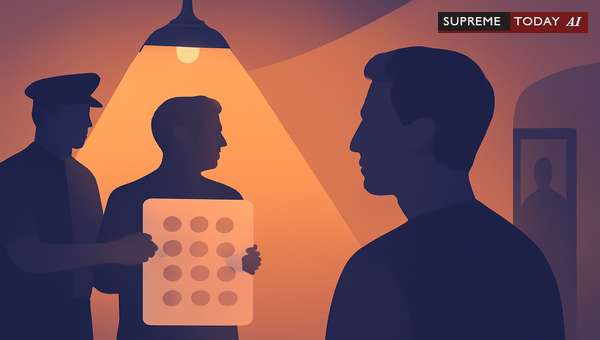
Can Accused Be Convicted in Low Light Conditions?
In criminal trials, the phrase In Low Light Accused can Still be Convicted raises a pivotal question about the boundaries of justice. Imagine a nighttime assault or robbery where witnesses claim to identify perpetrators under dim streetlights or moonlight. Can such testimony alone secure a conviction, or does poor visibility create reasonable doubt? This blog delves into Indian legal principles, case law, and practical insights, showing that while low light often undermines identifications, convictions remain possible under specific circumstances. Generally, courts scrutinize visibility rigorously, but familiarity or can tip the scales. Note: This is general information, not legal advice—consult a qualified attorney for your case.
The Core Legal Issue: Identification in Low Light
forms the backbone of many prosecutions, especially in stranger crimes. However, when events unfold in low light—dusk, night, or poorly lit areas—the reliability of such testimony comes under intense judicial scrutiny. Courts emphasize the need for clear visibility and adequate opportunity for observation during the incident. Insufficient light typically renders identification shaky and lacking , failing the prosecution's burden to prove guilt . 2016 7 Supreme 419 2006 0 Supreme(Chh) 28
As one ruling notes: The identification of accused persons in low light conditions is a critical issue in criminal trials. 2016 7 Supreme 419 This principle underscores that dim conditions alone don't acquit but demand heightened proof.
Key Legal Principles Governing Low Light Identifications
Sufficiency of Evidence: Prosecutions must furnish cogent and acceptable evidence. In poor lighting, courts often deem evidence unreliable without backups like forensics or multiple witnesses. For instance, in cases of nocturnal crimes, lack of leads to acquittals. 2013 0 Supreme(Chh) 32 1983 0 Supreme(Raj) 306
Witness Credibility: Testimonies claiming recognition in dim light face rigorous testing. Courts assess factors like distance, duration, and prior familiarity. Unreliable IDs cannot sustain convictions. 2014 3 Supreme 746 2008 0 Supreme(Bom) 116
: The prosecution bears the onus to eliminate doubt. The prosecution must prove its case ; insufficient evidence led to the acquittal of the accused. 2025 0 Supreme(Raj) 1688
These tenets ensure fairness, preventing miscarriages from flawed perceptions.
Case Law Insights: When Low Light Doesn't Derail Convictions
Indian courts have navigated low light challenges across murders, robberies, and assaults. While many cases favor acquittals, exceptions exist.
Restraint in Acquittals
Trial courts acquitting due to unacceptable low light IDs warrant deference absent perversity. In instances where the trial court finds identification unacceptable due to low light, the should refrain from interfering with the acquittal unless there is a clear error. 2014 3 Supreme 746 This upholds trial-level assessments of visibility.
Exceptions: Local Familiarity and
Villagers or locals accustomed to dim conditions may reliably identify known faces. Local witnesses, familiar with low light conditions (e.g., villagers), may be deemed capable of identifying individuals even in dim light. Yet, this requires case-specific evaluation. 2006 0 Supreme(Ori) 688
Other precedents reinforce this nuance:- In a robbery-gang rape case, witnesses noted lights were switched off, yet convictions held on the second charge via other evidence. When questioned about the light condition, he has stated that there was a light, but the 1st accused wanted it to be switched off. 2024 Supreme(SRI)(CA) 297- Night assaults highlight parade flaws: The incident took place in the night and Pw.17 was the only eye witness... no accused can be convicted unless he has been properly identified by following prescribed procedure. 2020 0 Supreme(Bom) 1312 2020 0 Supreme(Bom) 922
Identification Parades and Night Incidents
Flawed parades exacerbate low light doubts. Police shown accused persons to said witness in police station before going to the ... When accused were paraded for identification which was against guidelines. 2020 0 Supreme(Bom) 1312 Courts acquit if procedures falter, as in a murder where evidence was insufficient. 2023 Supreme(SRI)(CA) 482
In assaults under , convictions occurred despite night settings via totality of evidence: medicals, recoveries, and reliable witnesses. Minor discrepancies didn't discard material proof. 2020 0 Supreme(Bom) 1312 The court convicted two accused, fining them Rs. 1,10,000 each, stressing: minor discrepancies and lapses in investigations should not be the reason to discard other material evidence. 2020 0 Supreme(Bom) 1312
Conversely, a murder acquittal under IPC 302 stemmed from contradictions and unsubstantiated recoveries like a battery light. 2025 0 Supreme(Raj) 1688
Broader Implications from Related Cases
Low light intersects with consent, corruption, and abetment, but core themes persist:- Documentary Backing: Even sans eyewitnesses, docs can convict. Thus, on the basis of documentary evidence, the accused can still be convicted. 2012 0 Supreme(Raj) 1604- Totality Approach: In assaults, non-examined witnesses or parade lapses don't negate complainant/medical evidence. 2020 0 Supreme(Bom) 922- Burden Nuances: Illustrations clarify proof standards in low-visibility defenses. 2023 Supreme(SRI)(SC) 20750
These cases illustrate: Low light weakens but doesn't doom prosecutions if corroborated.
Practical Recommendations for Defense and Prosecution
- Prosecution: Bolster with forensics, CCTV, or multiple IDs. Substantiate visibility claims.
- Defense: Challenge via cross-examination on light, distance, stress. Highlight parade flaws.
- General Tip: Courts evaluate holistically—familiarity aids, but doubt benefits accused.
Conclusion: Navigating the Shadows of Justice
Convictions in low light hinge on robust, corroborated witness IDs. Typically, poor visibility invites doubt, but local knowledge or extras like recoveries can sustain guilt. Key takeaways:- Prioritize visibility proof. 2016 7 Supreme 419- Scrutinize credibility rigorously. 2014 3 Supreme 746- High Courts respect trial acquittals sans error. 2014 3 Supreme 746- Use totality: Minor flaws don't eclipse strong evidence. 2020 0 Supreme(Bom) 1312
References: 2014 3 Supreme 746 2013 0 Supreme(Chh) 32 2006 0 Supreme(Chh) 28 2016 7 Supreme 419 2008 0 Supreme(Bom) 116 2006 0 Supreme(Ori) 688
1983 0 Supreme(Raj) 306 2024 Supreme(SRI)(CA) 297 2023 Supreme(SRI)(CA) 482 2025 0 Supreme(Raj) 1688 2023 Supreme(SRI)(SC) 20750 2020 0 Supreme(Bom) 1312 2020 0 Supreme(Bom) 922 2012 0 Supreme(Raj) 1604
This analysis draws from established precedents, offering insights into a nuanced area. For tailored advice, engage legal experts.
#LowLightConviction #CriminalLaw #WitnessID















