


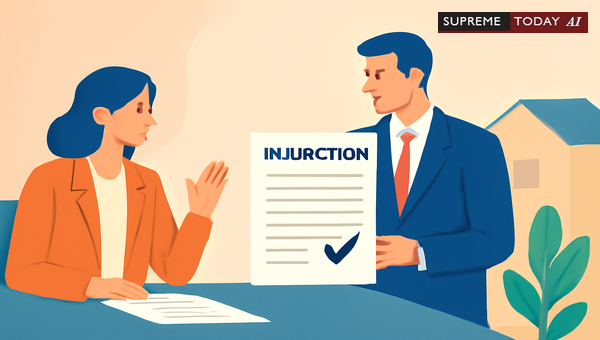
Cross-Examination Questions for Defendants in Tenant Injunction Suits
In landlord-tenant disputes, particularly when a tenant files a suit for declaration of tenancy rights and permanent injunction—especially after securing a —cross-examining the defendant (often the landlord) becomes crucial. The question arises: What questions to put to the defendant in cross-examination in a filed by a tenant where a has been granted?
This blog post explores effective strategies, drawing from legal principles and case precedents. Note that this is general information based on judicial observations and should not be considered specific legal advice. Always consult a qualified attorney for your case.
Understanding the Legal Context
In such suits, courts prioritize maintaining the to prevent until a final judgment. A typically restrains the landlord from interfering with the tenant's possession. Cross-examination aims to test the defendant's credibility, establish the tenant's lawful possession, and rebut claims of voluntary surrender or legal eviction. 2002 0 Supreme(Cal) 267
Legal principles emphasize that without is unlawful. Courts have observed: of a tenant without is unlawful. 2002 0 Supreme(Cal) 267 The goal is to probe the defendant's knowledge, actions, and intent regarding possession interference. 1985 0 Supreme(Cal) 352
From related cases, admissions during cross-examination can significantly impact injunction decisions. For instance, in hearings under , courts may examine witnesses to clarify possession facts, potentially undermining the plaintiff's case. 2024 0 Supreme(MP) 409
Purpose of Cross-Examination in These Cases
Cross-examination serves to:- Establish facts supporting the tenant's possession and rights.- Challenge the defendant's defenses, such as claims of surrender or legal authority.- Elicit admissions on possession, structures, or tenancy that weaken the tenant's claims. 2024 0 Supreme(Bom) 1075 2024 Supreme(Online)(Bom) 7186
Courts consider whether the plaintiff shows a case, , and . Admissions about partial possession or undisclosed tenants can tip the scales.
2022 0 Supreme(AP) 865
Key Questions Categorized by Focus Area
Frame questions to elicit truthful responses without being overly leading, focusing on facts like tenancy, dispossession, and court awareness. Avoid assuming unproven facts.
1. Establishing Tenant's Possession and Rights
These questions confirm the tenant's lawful possession and lack of voluntary surrender:- Were you aware that the plaintiff was in lawful possession of the premises at the time of alleged dispossession? 2002 0 Supreme(Cal) 267- Did the plaintiff ever surrender or vacate the premises voluntarily? 2002 0 Supreme(Cal) 267- Can you produce any document or receipt showing that the plaintiff surrendered possession or authorized you to take possession? 2002 0 Supreme(Cal) 267- Did you take any legal steps, such as filing a suit or obtaining a court order, before dispossessing the plaintiff? 2002 0 Supreme(Cal) 267- Were you aware of the pending suit for declaration of tenancy and injunction filed by the plaintiff? 2002 0 Supreme(Cal) 267- Did you have any lawful authority, such as a court order, to dispossess or interfere with the plaintiff’s possession? 2002 0 Supreme(Cal) 267
In one case, the defendant filed a list of 17 tenants, paying temporary accommodation to 16, admitting substantial payments (Rs.96 lacs), which highlighted ongoing tenancy obligations. 2023 0 Supreme(Bom) 1527
2. Testing Legality of Dispossession or Interference
Probe for illegal methods:- On what basis did you take possession of the premises—was it through any legal process or force? 2002 0 Supreme(Cal) 267- Did you use any force or illegal means to dispossess the plaintiff? 2002 0 Supreme(Cal) 267- Were police or any authorized officers involved in taking possession? 2002 0 Supreme(Cal) 267- Have you been served with any court order or notice regarding the possession of the premises? 2002 0 Supreme(Cal) 267- Did the plaintiff resist or oppose your entry or dispossession? 2002 0 Supreme(Cal) 267- Have you been informed of the plaintiff’s claim for permanent injunction and declaration? 2002 0 Supreme(Cal) 267
Courts affirm the power to restore possession if dispossession was unlawful, stressing . 1985 0 Supreme(Cal) 352
3. Challenging Defendant's Knowledge and Intent
Uncover bad faith or awareness:- Were you aware that the plaintiff claims to be in lawful possession as a tenant? 2002 0 Supreme(Cal) 267- Did you act in good faith or in collusion with any other party to dispossess the plaintiff? 2002 0 Supreme(Cal) 267- Have you made any false representations or concealed facts regarding the possession? 2002 0 Supreme(Cal) 267- Are you aware that the court has granted a restraining dispossession? 2002 0 Supreme(Cal) 267- Did you attempt to justify your act of dispossession on any legal ground? 2002 0 Supreme(Cal) 267
Additional insights: Are you aware that the court has observed that without is unlawful? 2002 0 Supreme(Cal) 267
Additional Questions from Related Precedents
Incorporate queries on specific facts like partial possession or post-incident changes, as admissions here can undermine injunction claims:- Are you in lawful possession of the entire property or just a part? (to establish actual possession) 2024 0 Supreme(Bom) 1075 2024 Supreme(Online)(Bom) 7186- Did you create or occupy specific portions after a fire or incident? (to challenge vacant possession claims) 2024 0 Supreme(Bom) 1075- Have you paid rent or rent equivalents for the portions in your possession? (to establish tenancy) 2023 0 Supreme(Bom) 1527- Are there any structures or tenants occupying the property that were not initially disclosed?
- Do you admit that the plaintiff has possession of certain parts of the property? 2024 Supreme(Online)(Bom) 7186- Have you made any admissions regarding the nature of your ownership or tenancy during cross-examination? 2022 0 Supreme(AP) 865- Are you aware of any legal proceedings or prior suits related to this property? 2023 0 Supreme(Cal) 781
During cross-examination, plaintiffs have admitted partial possession post-fire, supporting defendants' positions. 2024 0 Supreme(Bom) 1075
Exceptions, Limitations, and Best Practices
- Questions must not prejudice unfairly; focus on relevant facts. 2002 0 Supreme(Cal) 267
- No injunction where perpetual relief is prohibited by law; temporary follows suit merits. No injunction can be granted where is prohibited by law... the question of granting does not arise. 2013 0 Supreme(Megh) 4
- Courts may deny injunction if defendant shows stronger rights via admissions. 2024 0 Supreme(All) 46
Recommendations:- Highlight defendant's awareness of tenant rights and injunction.- Prove dispossession was illegal.- Ensure compliance with queries.
Use these to bolster that possession was lawful and dispossession wrongful. 2002 0 Supreme(Cal) 267 1985 0 Supreme(Cal) 352
Conclusion and Key Takeaways
Effective cross-examination in tenant injunction suits can decisively influence outcomes by revealing inconsistencies in possession claims. Key takeaways:- Prioritize questions on awareness, legality, and intent. 2002 0 Supreme(Cal) 267- Leverage admissions on partial possession or payments. 2023 0 Supreme(Bom) 1527 2024 0 Supreme(Bom) 1075- Align with principles preserving . 1985 0 Supreme(Cal) 352
References:1. 2002 0 Supreme(Cal) 267: principles.2. 1985 0 Supreme(Cal) 352: Restoration of possession.3. 2024 0 Supreme(Bom) 1075, 2024 Supreme(Online)(Bom) 7186,
: Admissions impacting injunctions.
This analysis draws from judicial precedents for educational purposes. For tailored advice, seek professional legal counsel. (Word count: 1028)
#TenantLaw, #InjunctionCrossExam, #LegalStrategy
















