


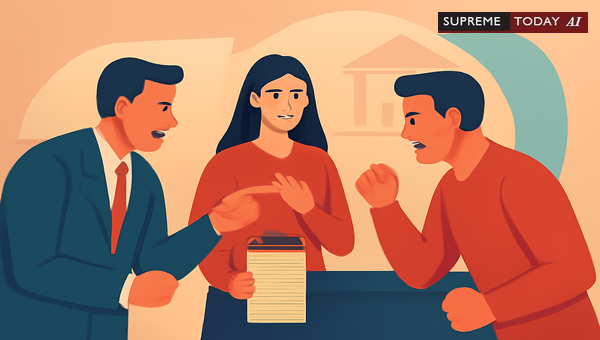
Cross Case Me Kon Aggressive Hai: Kaise Tay Karen?
In the heat of disputes, fights, or altercations, it's common for both parties to file or under Indian law. But when courts have to decide cross case me kon aggressive hai kaise tay karen—who is the real aggressor?—it boils down to solid evidence and legal principles. This blog post breaks down the process, drawing from key court judgments and behavioral insights, to help you understand how aggression is identified in such scenarios.
Disclaimer: This is general information based on legal precedents and is not specific legal advice. Consult a qualified lawyer for your case.
Understanding and Aggression
typically arise in situations where both sides claim to be victims and accuse the other of starting the aggression. Courts apply principles from the , especially Sections related to hurt, assault, and (), to determine the aggressor.
The core question—Cross case me kon aggressive hai kaise tay karen—is answered by evaluating who initiated the attack with credible proof. As per legal findings, the party presenting (direct), (authentic), and credible evidence proves their claim of being attacked. Courts prioritize consistent eyewitness accounts supported by medical evidence. Aggressors are identified by their use of deadly weapons, clear intention, and history of provocation. 2015 4 Supreme 115
Key Legal Principles for Identifying the Aggressor
Here are the primary factors courts consider:
Eyewitness Testimony: Consistent statements from eye witnesses, unshaken by cross-examination, hold high credibility. Evidence of eye witnesses consistent, not shaken by searching cross-examination – Supported by medical evidence – Appears trustworthy and reliable. 2015 4 Supreme 115
Medical Evidence: Injuries matching the incident narrative strengthen claims. If medical reports corroborate eyewitnesses, it points to the aggressor's actions.
Nature of Attack and Weapons: Presence of deadly weapons like axes or firing from close range indicates aggression. For instance, Rishipal-brother of the appellant came with an axe... Rishipal assaulted the complainant. 2015 4 Supreme 115
Limits: Aggressors cannot claim if they exceed reasonable bounds. Right of would not be available to the aggressors firing from close range and recklessly. 2015 4 Supreme 115
Court Findings: Lower courts' concurrent holdings are respected unless overturned. of courts below – courts held the complainants to be aggressors. 2015 4 Supreme 115
Detailed Analysis from Court Judgments
Evidence and Witness Credibility
In , the reliability of witnesses is paramount. If testimonies align and are backed by medical proof, they establish who was aggressive. Justice R. Banumathi emphasized this in a key ruling, noting that supported by medicals is trustworthy. 2015 4 Supreme 115
Attack Pattern and Weapons
Courts scrutinize the type of assault. Bringing weapons or firing recklessly at unarmed parties marks one as the aggressor. Appellants firing from close range and recklessly at unarmed complainant party clearly demonstrated aggression. 2015 4 Supreme 115
Role of
is a right but not for initiators. If a party starts the attack, they lose this shield, confirming their aggressive role. This principle prevents misuse in . 2015 4 Supreme 115
Cross Case Context
In mutual combat scenarios, courts analyze who provoked first. Courts below concurrently holding the complainants to be aggressors shows how patterns of direct attack lead to such conclusions. 2015 4 Supreme 115
Behavioral Indicators from Related Cases
Beyond pure legal evidence, behavioral cues from other judgments help identify aggression early, aiding in cross case preparations.
Verbal and Physical Aggression: Harsh language and physical acts signal hostility. In one account, LATHI DANDA SE MARA PEETA AUR KAHA KI SALI CHAMAIN NEECH JATI TERI HIMMAT KAIS... highlights aggressive verbal abuse turning physical.
RAM CHANDRA BHURJI AND 2 OTHERS vs State of U.P. AND ANOTHER - (2021)
Triggers from Conflicts: Frustration in disputes, like bureaucratic delays, sparks aggression. A complainant noted ongoing ignored calls and emails, leading to heightened tension: Mai ko apni complaint email bhi kr chuka hu aur call bhi krta hu. Lekin mujhe koi jawab nii milta. 2024 Supreme(Online)(CIC) 4781
Trauma and Past History: Emotional distress from abuse can manifest as aggression. Survivors recount: Jabh me 4th standard me thi tabh i was brutally raped... pain abh tak yaad hai. Such backgrounds may influence behavior in disputes. 2024 Supreme(Online)(Bom) 7257 2024 Supreme(Online)(Bom) 422
Defensive Aggression: Perceived threats lead to outbursts, as in: Tu kon hoti hai mujhse kaam karaney wali, mai tumhari nokar nahi ho. 2001 0 Supreme(P&H) 466
These insights from diverse cases
TAY KIANG HEONG vs PP & ANOTHER APPEAL - Court of Appeal Putrajaya
2009 0 Supreme(Del) 968 show aggression through mood swings, shouting, and physical gestures, often consistent across legal contexts.Exceptions and Limitations
Not all cases are straightforward. If evidence is inconsistent or medicals contradict claims, aggression may not be established. Mutual provocation or accidental injuries require careful evaluation. Courts caution against accepting unsubstantiated claims. 2015 4 Supreme 115
Practical Recommendations for
To determine kon aggressive hai:
- Gather eyewitness statements that are consistent and medically supported.
- Document weapons used and attack nature via photos, videos, or FIR details.
- Avoid exceeding —courts reject overreach.
- Respect lower court findings unless strong contrary evidence exists.
- In future disputes, prioritize direct, credible proof over mere allegations.
If preparing for trial, focus on these to strengthen your position. 2015 4 Supreme 115
Conclusion and Key Takeaways
In , the aggressor is typically the party with direct evidence of initiating the attack—backed by reliable witnesses, medicals, and weapon proof. Courts, as in the referenced judgment, uphold: the party making a attack is held responsible, with claims rejected. 2015 4 Supreme 115
Key Takeaways:- Evidence is King: Consistent eyewitness + medical = aggression proven.- Weapons and Intent Matter: Deadly force without justification marks aggressors.- Behavioral Signs Help: Watch for verbal hostility, physical acts, and provocation responses from cases like 2024 Supreme(Online)(CIC) 4781 2024 Supreme(Online)(Bom) 7257.- Seek Professional Help: Always consult a lawyer for tailored advice.
By understanding these principles, you can better navigate . Stay informed, gather proof, and let evidence speak.
References:1. 2015 4 Supreme 115: Core judgment on evidence, aggression, and .2.
RAM CHANDRA BHURJI AND 2 OTHERS vs State of U.P. AND ANOTHER - (2021)
, 2024 Supreme(Online)(Bom) 7257, 2024 Supreme(Online)(CIC) 4781: Behavioral aggression indicators. #CrossCase #AggressorKaiseTay #IndianLaw















