


: Impact If Scribe Not Examined
In high-stakes criminal cases, such as those involving murder or assault, a can serve as a pivotal piece of evidence. But what happens when the scribe, police officer, or any person who recorded the has not been examined as a witness? This question often arises in courtrooms across India, raising serious doubts about the declaration's authenticity and reliability.
Dying declarations hold significant weight under , as they are exceptions to the . However, their hinges on strict procedural safeguards. This blog post delves into the legal principles, judicial precedents, and practical implications of failing to examine the recorder of such a declaration. Note: This is general information based on case law and should not be considered specific legal advice. Consult a qualified lawyer for your situation.
Why the Scribe or Police Officer's Testimony Matters
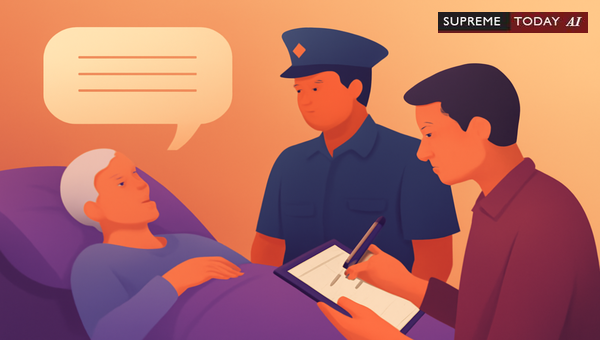
The person who records a —be it a police officer, magistrate, doctor, or scribe—is a crucial witness. Their examination is essential to corroborate the declaration's voluntariness, the declarant's mental fitness, and the absence of tutoring or coercion. Without this testimony, courts often view the evidence with suspicion, especially if other corroborative proof is lacking.
As highlighted in key judgments, The scribe or police officer who records a is a crucial witness. Their testimony is essential to establish the authenticity and reliability of the declaration, especially when other evidence is or hearsay2014 0 Supreme(Jhk) 836 2013 0 Supreme(J&K) 507.
Failure to examine this key figure can weaken the prosecution's case significantly. Courts have repeatedly noted that hearsay witnesses alone cannot sustain the declaration's credibility without the recorder's direct evidence 2014 0 Supreme(Jhk) 836.
Key Issues in Non-Examination
- Authenticity Doubts: Without the scribe's account, questions arise about how the statement was elicited and documented.
- Reliability Concerns: Especially when medical evidence on the deceased's consciousness is uncertain 2014 0 Supreme(Jhk) 836 2013 0 Supreme(J&K) 507.
- Procedural Lapses: Presence of relatives or lack of medical endorsement further erodes trust 2019 0 Supreme(Bom) 1411 2020 0 Supreme(Bom) 930.
Legal Principles and Standards for Dying Declarations
Indian courts scrutinize dying declarations rigorously. While admissible if voluntary and made by a fit declarant, preference is given to recordings by magistrates or doctors over police officers.
The has ruled: It is preferable for such declarations to be recorded by a Magistrate or a doctor. This is to ensure that the declaration is made under conditions that guarantee its reliability2019 0 Supreme(Bom) 1411 2012 0 Supreme(Bom) 2392. If a police officer records it, the prosecution must justify why a magistrate was unavailable 2017 0 Supreme(P&H) 606 2020 0 Supreme(Bom) 930.
From additional sources, courts emphasize:- Medical Certification: A doctor's certificate of fitness is not mandatory but enhances credibility 2024 0 Supreme(Cal) 470.- Voluntariness and Fitness: The declarant must be conscious and free from sedatives or painkillers 2022 0 Supreme(All) 502.- Procedural Safeguards: Proper documentation and examination of the recorder are vital 2023 7 Supreme 332 2024 Supreme(Online)(JHK) 6150 2023 0 Supreme(Cal) 267.
The person, who scribed or recorded the (Exh-50) has not been examined by the prosecution2017 0 Supreme(Bom) 1807. Such omissions lead to acquittals, as seen in cases where the thumb impression appeared very natural yet lacked recorder verification 2022 0 Supreme(All) 502.
Judicial Precedents and Case Findings
Numerous judgments underscore the pitfalls of non-examination:
- In one case, the police officer who recorded the was not examined, which is deemed vital for the prosecution's case. This absence raises doubts about the declaration's credibility, particularly when the medical officer’s testimony regarding the deceased’s consciousness is uncertain2014 0 Supreme(Jhk) 836 2013 0 Supreme(J&K) 507.
- Contradictory medical evidence compounds issues: In some cases, the medical officer’s observations about the deceased’s condition at the time of the declaration were inconsistent2019 0 Supreme(Bom) 1411 2012 0 Supreme(Bom) 1160.
- The scribe who wrote the has not been named and has not been examined2010 0 Supreme(Bom) 1151, highlighting prosecution failures.
- Police-recorded declarations without safeguards: The purported had been recorded by a police officer and lacked signatures or thumb impressions, made in family presence 2008 0 Supreme(P&H) 976.
Other sources reveal patterns:- Witnesses like PW13 (Deputy Magistrate) or PW14/PW16 (medical officers) to declarations must be examined 2023 0 Supreme(Cal) 1303.- Non-examination undermines reliability, creating 2023 7 Supreme 332 2023 0 Supreme(Cal) 267 2023 0 Supreme(Cal) 205.- Even police recordings can be accepted if corroborated, but failure to examine the scribe or treating doctor is fatal2023 0 Supreme(Gau) 91.
There were contradictions in the statement of the doctor and the police officer recording the statement. There was sufficient evidence that the victim was under the effect of sedative pain killers. The was recorded by a police officer and not by an executive or judicial magistrate2022 0 Supreme(All) 502.
These precedents show courts' caution: Dying declarations are not gospel truth but must withstand scrutiny.
Prosecution and Defense Strategies
For the Prosecution
To bolster a :- Prioritize Examination: Always examine the scribe or police officer.- Explain Absences: Provide compelling reasons if unavailable, backed by affidavits.- Corroborate: Secure medical endorsements and independent witnesses 2023 0 Supreme(All) 503.
For the Defense
Exploit weaknesses:- Highlight non-examination and procedural lapses.- Point to inconsistencies in medical evidence or declarant's condition.- Argue for , as the absence of the scribe’s testimony can significantly weaken the case2014 0 Supreme(Jhk) 836.
Conclusion and Key Takeaways
The non-examination of the police officer, scribe, or recorder of a significantly undermines the prosecution's case. Courts demand robust evidence of reliability, and gaps like uncertain medical testimony or lack of justification for police recording often tip the scales toward acquittal 2014 0 Supreme(Jhk) 836 2019 0 Supreme(Bom) 1411.
Key Takeaways:- Examine the recorder to affirm authenticity.- Prefer magistrate/doctor recordings; justify police involvement.- Corroborate with medical proof of fitness.- Defense: Leverage omissions for doubt.
While dying declarations remain powerful, procedural rigor is non-negotiable. This analysis draws from established case law—stay informed, but seek professional legal counsel for case-specific guidance.
#DyingDeclaration #CriminalLaw #LegalInsights












