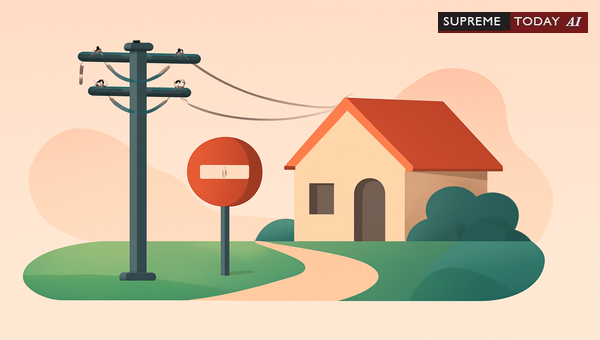
Can Electric Poles Block Property Access Rights?
Imagine pulling up to your home or business only to find electric poles or lines blocking your driveway or path to the road. Frustrating, right? Many property owners in India face this issue when public utilities install infrastructure. But can electric lines and posts be erected obstructing a property owner's right of and at every point to the public road? Generally, no—courts prioritize access rights while balancing public needs. This post breaks down the law, key cases, and steps you can take.
This is general information based on legal precedents and not specific legal advice. Consult a qualified lawyer for your situation.
Understanding and Rights
Property owners abutting public roads typically enjoy a fundamental right of (entering their property from the road) and (exiting to the road) at every point where their land touches the street. This is rooted in and reinforced by Indian statutes like the and municipal laws. Interference with this right can lead to legal action, even against public authorities. 2012 0 Supreme(Mad) 3650
As one court noted: the owner of the property is entitled to from and to the public street and to his property vice-versa at every point. 2016 0 Supreme(MP) 790
Legal Authority for Electric Installations
Under the , and related rules, electricity boards have broad powers to install lines and poles in public streets without prior consent from adjacent owners. This supports public utility needs. However, this authority is not absolute. 1999 0 Supreme(Mad) 805
Courts have clarified: installations must not obstruct or hinder and . For example, erecting a transformer directly in front of a property was deemed unlawful because the plaintiff's right to access to reach the main road will be highly affected and the plaintiff will not have and to reach her house.
Key Judicial Precedents on Electric Infrastructure
- No Obstruction Allowed: The held that while no prior notice is needed for electric supply lines, they cannot block access. Property owners can seek if hindered. 1999 0 Supreme(Mad) 805
- Inconvenience vs. Obstruction: Minor inconvenience from poles does not qualify as , but actual interference with access does. Citizens cannot object to pole placement unless it obstructs /. 2008 0 Supreme(P&H) 300
Broader Context: Similar Obstructions by Public Authorities
Electric lines aren't the only culprits. Courts apply similar principles to other public works:
- Bus Stops on Highways: Property owners claimed a bus stop blocked passage, but the court dismissed the injunction due to no evidence of hindrance. There was no evidence that the and to the plaintiffs' property was affected. 2017 0 Supreme(Mad) 2335
- Encroachments and Green Belts: Municipalities must remove illegal encroachments on public streets, as owners have easement rights to access at any point. The court directed removal, stating the corporation's duty to maintain streets. 2016 0 Supreme(MP) 790
- Boundary Walls and Highways: Permanent structures like boundary walls cannot obstruct residents' /. No pucca structure obstructing the view of the adjoining residents and/or obstructing their and to the Highway can be made. 2016 0 Supreme(Pat) 633
- Borewells and Cart Tracks: Adjacent owners have rights to passage; structures hindering tractors or carts warrant . 2014 0 Supreme(Mad) 837
- Municipal Fences: Municipalities cannot deprive abutting owners of access by fencing road margins. Owners of property abutting a public highway have the right of access to the public road. 2012 0 Supreme(Mad) 3650
These cases show a consistent theme: public interest does not override proven access obstruction.
When Can You Seek Legal Remedies?
If electric lines or poles block your access:
- Document Everything: Photos, videos, site plans showing obstruction.
- Notify Authorities: Request relocation from the electricity board.
- File for Injunction: Courts grant temporary or , or mandatory relief to remove obstructions. Evidence of hindrance is key—mere aesthetics or minor issues won't suffice. 2008 0 Supreme(P&H) 300
Exceptions exist:- Public Interest Projects: May proceed with minimal disruption, but alternatives should be provided. 1999 0 Supreme(Mad) 805- No Actual Blockage: If access remains feasible (e.g., narrow passage), courts may deny relief. 2017 0 Supreme(Mad) 2335
Balancing Public Utility and Private Rights
Statutory powers for utilities stem from public good, but courts emphasize: statutory rights conferred upon electricity authorities do not override the fundamental rights of property owners to access their property freely. 1999 0 Supreme(Mad) 805
In highway cases, similar logic applies—no permanent structures can block abutting properties. 2016 0 Supreme(Pat) 633
Practical Recommendations
- For Property Owners:
- Inspect installations early.
- Gather witness statements on access impact.
Approach for swift .
For Utilities:
- Plan placements to avoid direct blockages.
- Offer alternatives like adjusted driveways.
Policy-wise, better coordination between utilities and local bodies could prevent disputes.
Key Takeaways
- Electric lines/poles may be installed in public streets without consent, but cannot obstruct /. 1999 0 Supreme(Mad) 805
- Actual hindrance justifies ; inconvenience does not. 2008 0 Supreme(P&H) 300
- Property owners have strong easement rights to road access at every point. 2016 0 Supreme(MP) 790
- Evidence is crucial—courts dismiss claims without proof of blockage. 2017 0 Supreme(Mad) 2335
In summary, while public utilities serve essential needs, your right to free access generally prevails. Stay informed, document issues, and seek professional advice promptly.
References:1. 1999 0 Supreme(Mad) 805: Electricity Act interpretations on access.2. 2008 0 Supreme(P&H) 300: vs. obstruction.3.
, 2017 0 Supreme(Mad) 2335, 2016 0 Supreme(MP) 790, 2016 0 Supreme(Pat) 633, 2014 0 Supreme(Mad) 837, 2012 0 Supreme(Mad) 3650: Related access rights cases.
Word count: ~1050. Not legal advice—consult an attorney.
#PropertyRights, #IngressEgress, #ElectricityLaw