


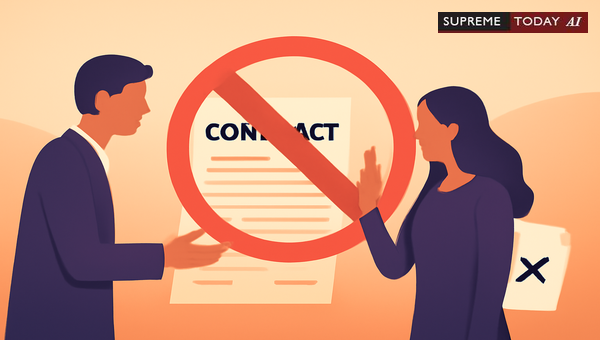
Agreements Against : in India?
In the realm of contract law, not all agreements hold legal weight. Imagine entering into a deal that seems profitable at first glance, only to discover it clashes with societal norms or legal standards. This brings us to a critical question: Judgement on Agreement against —are such agreements enforceable, and can parties recover any consideration paid?
Under Indian law, agreements opposed to are typically rendered , leaving parties without legal recourse. This blog post delves into , judicial interpretations, and practical implications, drawing from key legal precedents. Note: This is general information and not specific legal advice. Consult a qualified lawyer for your situation.
Understanding Agreements Against
serves as a safeguard for public good, morality, and statutory compliance. Section 23 of the Indian Contract Act explicitly states that the consideration or object of an agreement is lawful unless it is forbidden by law, defeats any law, is fraudulent, involves injury to person or property, or is immoral or opposed to . Agreements falling into these categories are ab initio—meaning they have no legal effect from the start. 1991 0 Supreme(SC) 163
As highlighted in legal discourse, Any agreement which tends to be injurious to public or against the public good is invalidated on the grounds of . 2019 0 Supreme(Bom) 2217 2010 0 Supreme(Kar) 848 The question of whether an agreement contravenes is a matter of law, determined by applying prior decisions and principles. Courts emphasize that concerns the public good and public interest. 2023 0 Supreme(SC) 986
Key Examples of Unlawful Objects or Considerations
- Illegal activities: Agreements implying fraud, bribery, or statutory violations.
- Immorality: Contracts that undermine public morality, such as those based on withdrawing criminal complaints. 1962 0 Supreme(SC) 269
- Injury to others: Deals causing harm to person or property.
- Defeating law: Objects that bypass statutory provisions, like violating . 2023 0 Supreme(Mad) 102
If the object or consideration of an agreement would defeat the provisions of any law, and if it is against the , the agreement will be treated as unlawful and . 2023 0 Supreme(Ker) 43 2018 0 Supreme(Ker) 582
Main Legal Finding: Recovery of Consideration Barred
The recovery of consideration in agreements opposed to is generally barred. Courts consistently hold that such agreements are unlawful and , denying any attempt to reclaim payments made. 1991 0 Supreme(SC) 163 1962 0 Supreme(SC) 269
Why? Because aiding recovery would indirectly endorse illegality. The principle is clear: Courts will not aid illegal transactions. 1991 0 Supreme(SC) 163 No party can benefit from a contract that tends to be injurious to the public welfare. 1991 0 Supreme(SC) 163
In arbitration contexts, for instance, considerations involving unlawful purposes—like basing agreements on criminal complaint withdrawals—are invalid as they oppose , preventing recovery. 1962 0 Supreme(SC) 269
Judicial Interpretation and Case Law
Indian courts, including the , have reinforced this stance. Agreements involving bribery, fraud, or illegal transactions are , with no assistance for recovering consideration. 1991 0 Supreme(SC) 163
in is scrutinized similarly: An award which is patently in violation of statutory provisions cannot be held to be in public interest. 2023 0 Supreme(SC) 986 Courts set aside awards violating fundamental policy, such as fraud or corruption. 2023 0 Supreme(Del) 2613 2023 0 Supreme(Telangana) 279 2023 0 Supreme(Del) 2172 2023 0 Supreme(Cal) 1000
Broader applications include:- or waiving rights: if against public interest. 2024 0 Supreme(Guj) 2097 2023 0 Supreme(Bom) 2007- Security disguised as sales: Decrees may be challenged if unfair or policy-violating. 2009 0 Supreme(P&H) 717- Statutory recovery procedures: Emphasize public interest in expeditious collection. 2024 0 Supreme(SC) 1207
The concept of ‘’ connotes a matter which concerns public good and public interest. 2023 0 Supreme(SC) 986 This dynamic doctrine adapts to societal changes but upholds core protections. 1991 0 Supreme(SC) 163
Application to Recovery of Consideration
If an agreement is for reasons, consideration paid is irrecoverable. Courts refuse to intervene, as it would undermine public interest. For SPAs or letters violating statutes like CA 2013, the object itself is challenged as policy-opposed. 2023 0 Supreme(Mad) 102
In public demands or contracts, breaches are civil, but recovery follows strict procedures aligned with public good. 2024 0 Supreme(SC) 1207 The focus remains: Does the agreement promote or harm public welfare? 2025 0 Supreme(SC) 831 2023 0 Supreme(Bom) 2007
Exceptions and Limitations
While rigid, isn't absolute. Courts may consider evolving norms, but recovery under illegal contracts remains barred. 1991 0 Supreme(SC) 163 No static definition exists; it depends on transaction nature and statutes. 2023 0 Supreme(SC) 986
For instance, matters like family compromises may invoke policy flexibly, but core illegality prevails. 2018 0 Supreme(Ker) 582
Practical Recommendations
To avoid pitfalls:- Vet agreements thoroughly: Ensure objects and considerations align with law and policy.- Seek legal review: Before deals with potential gray areas, like arbitration clauses or share purchases.- Document intent clearly: Avoid implications of illegality.- Understand consequences: agreements mean no enforcement or refunds—plan accordingly.
In disputes, courts prioritize legality, refusing aid to illegal bargains. 1991 0 Supreme(SC) 163
Key Takeaways
- Agreements against under Section 23 are and . 1991 0 Supreme(SC) 163
- Recovery of consideration is typically barred to deter illegality. 1962 0 Supreme(SC) 269
- protects societal good, encompassing morality, statutes, and welfare. 2023 0 Supreme(SC) 986
- Always prioritize compliance; consult professionals for tailored advice.
This principle underscores contract law's role in fostering ethical commerce. Stay informed, draft wisely, and safeguard your interests.
References:1. 1991 0 Supreme(SC) 163: Core principles on agreements and non-recovery.2. 1962 0 Supreme(SC) 269: Arbitration cases on unlawful considerations.3. Additional insights from 2023 0 Supreme(Mad) 102, 2023 0 Supreme(SC) 986, 2023 0 Supreme(Ker) 43, 2019 0 Supreme(Bom) 2217, 2018 0 Supreme(Ker) 582, 2010 0 Supreme(Kar) 848, 2024 0 Supreme(Guj) 2097, 2025 0 Supreme(SC) 831, 2024 0 Supreme(SC) 1207, 2023 0 Supreme(Del) 2613, 2023 0 Supreme(Telangana) 279, 2023 0 Supreme(Del) 2172, 2023 0 Supreme(Cal) 1000, 2023 0 Supreme(Bom) 2007.
#PublicPolicy #ContractLaw #IndianLaw












