


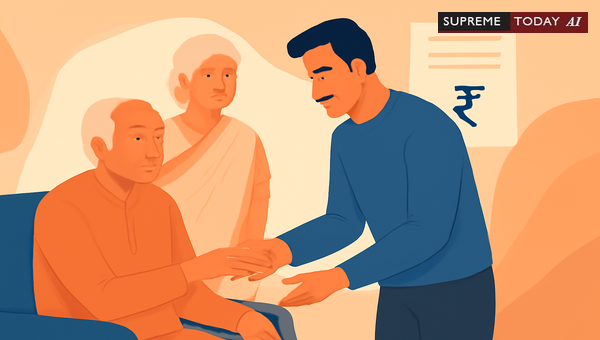
Father's Rights: Maintenance from Children Under Senior Citizens Act
In an era where family dynamics are evolving rapidly, many elderly fathers in India face neglect or abandonment by their children. The pressing question arises: Relief of Father against Children under Senior Citizenship Act – can fathers legally claim maintenance and protection? (the Act) provides a vital safety net, empowering parents, including fathers, to seek support from their children. This blog delves into the Act's provisions, relevant case laws, and practical steps, offering general insights into this important legal framework. Note: This is not legal advice; consult a qualified lawyer for personalized guidance.
Overview of
Enacted to safeguard the dignity and welfare of aging parents and senior citizens, the Act ensures they can lead a normal life without financial distress. It imposes a clear obligation on children to provide maintenance, extending to both mothers and fathers. The legislation addresses modern challenges like urban migration and strained family ties, offering a speedy, through dedicated tribunals. 2020 0 Supreme(Ker) 1045
The Act's scope is broad: it covers not just senior citizens (aged 60+), but also parents who may be younger, emphasizing familial duty over age alone. This inclusive approach underscores the legislation's intent to protect vulnerable elders from exploitation or dispossession. 2021 0 Supreme(Ker) 444
Key Definitions and Obligations Under the Act
Understanding core terms is crucial for grasping a father's rights:
- Children: includes son, daughter, grandson, and granddaughter (excluding minors). 2023 0 Supreme(Mad) 2255
- Parent: encompasses father or mother, whether biological, adoptive, or step-parent, irrespective of senior citizen status.
- Senior Citizen: refers to Indian citizens aged 60 or above.
mandates that children maintain their parents to enable a normal life, explicitly covering fathers under . 2023 0 Supreme(Mad) 2255 2020 0 Supreme(Ker) 1045 This obligation is absolute, not dependent on the parent's wealth or age. Even non-senior citizen fathers unable to support themselves can apply. 2020 0 Supreme(Ker) 1045 2021 0 Supreme(Ker) 444
Application for Maintenance
Under , a father unable to maintain himself from earnings or property can file for maintenance before the . The process is designed to be accessible and inexpensive, prioritizing elder welfare. Tribunals can award up to ₹10,000 monthly, adjustable based on needs. 2020 0 Supreme(Ker) 1045
Property rights are robustly protected. The Act interprets 'property' broadly, shielding fathers from dispossession by children. 2021 0 Supreme(Bom) 1641
Eviction Rights: Reclaiming Property from Children
A powerful tool under the Act is eviction of children occupying parental property. Tribunals can order eviction if necessary for the parent's maintenance and protection. However, this requires evaluating competing claims – children with legal tenancy rights may need civil eviction processes. 2023 0 Supreme(Pat) 649
In one case, the court clarified: eviction of children by senior citizens or parents, inasmuch as the said Act, 2007 is enacted for the benefit and protection of a senior citizen from his children or grandchildren. Yet, due process must be followed if children assert enforceable rights. The matter was remanded for fresh consideration after noting overlooked tenancy facts. 2023 0 Supreme(Pat) 649
Another ruling affirmed: parents can seek vacant possession and restrain children or their family from re-entering, especially in self-acquired property where sons have no inherent right beyond parental mercy. 2018 0 Supreme(Bom) 864
Case Law Insights: Strengthening Fathers' Claims
Judicial interpretations have reinforced the Act's protective ethos. Courts uphold parents' rights to summary relief against neglectful children, rejecting pleas that claims must target all children simultaneously. The Act's intent is swift justice for elders. 2021 0 Supreme(Bom) 1641 2020 0 Supreme(Ker) 1045
Significantly, maintenance obligations persist even without senior citizen status, allowing fathers under 60 to claim support. 2020 0 Supreme(Ker) 1045 2021 0 Supreme(Ker) 444
In property transfer scenarios, implied maintenance conditions are recognized. For instance, where a mother settled property on her son expecting care, but faced neglect, the court held: The Senior Citizens Act allows for of maintenance in , ensuring protection for senior citizens even without explicit terms. The appeal was allowed, restoring property. 2025 0 Supreme(Mad) 2180
Children, including sons, are mandatorily required to maintain parents: Under the 'Maintenance and Welfare of Parents and Senior Citizens Act, 2007' children (which includes the son) shall mandatorily be required to maintain parents and senior citizens. 2020 0 Supreme(Gau) 81 2020 0 Supreme(Gau) 324
Daughter-in-laws may not directly fall under 'children,' but tribunals can address family members claiming through children. Appeals must record reasons, upholding . 2020 0 Supreme(Telangana) 69
Practical Steps and Recommendations for Fathers
If facing neglect:
- Assess Eligibility: Confirm inability to self-maintain and identify obligated children.
- Gather Evidence: Document finances, neglect instances, harassment, or property disputes.
- File Application: Approach the or Tribunal under . No court fee; proceedings are time-bound (90-120 days).
- Seek Eviction if Needed: Invoke for property recovery if children refuse amenities.
- Engage Counsel: Legal experts streamline processes and counter defenses.
Maintain records meticulously – they bolster claims in tribunal hearings.
Challenges and Limitations
While empowering, the Act isn't absolute. Children can defend with proof of fulfillment or parent's adequate means. Tribunals balance rights, sometimes remanding for evidence review. False claims risk penalties, so honesty is key. 2023 0 Supreme(Pat) 649
Conclusion and Key Takeaways
The Senior Citizens Act offers fathers a robust avenue for maintenance and property protection against errant children, promoting filial piety through law. Key takeaways:- Fathers (senior or not) can claim under Sections 4 and 5.- Tribunals provide quick relief, including eviction.- Implied care obligations in deeds are enforceable.- Always document needs and seek professional advice.
By leveraging this Act, elderly fathers can secure dignity in twilight years. For tailored support, contact a legal professional familiar with elder law in your jurisdiction.
This post provides general information based on the Act and cited cases as of latest available data. Laws evolve; verify current status.
#SeniorCitizensAct, #ElderlyRightsIndia, #ParentsMaintenance















