


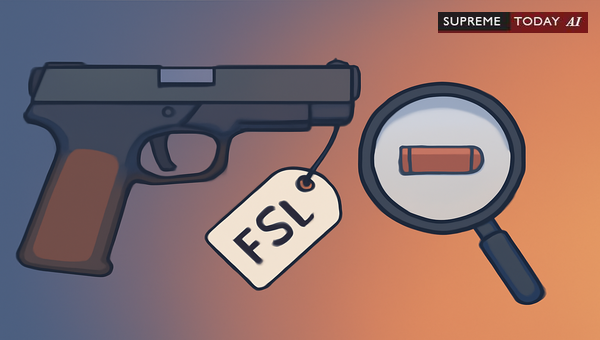
Can Match Improvised Guns to ?
In involving firearms, particularly under the , a critical question often arises: Can an improvised gun in an match the result? Improvised or country-made firearms, such as pipe guns or homemade pistols, are common in many cases due to their accessibility. However, linking these weapons to relies heavily on ) . These reports examine cartridge cases, bullets, and the functionality of the firearm itself.
This blog post breaks down a detailed analysis from a specific case, integrates insights from related legal precedents, and explores the challenges and strategies involved. While this provides general information on forensic matching, it is not legal advice. Consult a qualified attorney for case-specific guidance.
Overview of Examination in Improvised Gun Cases
reports play a pivotal role in arms cases by determining if recovered improvised firearms were used in the crime. In one examined case, the conducted thorough tests on an improvised pistol marked as exhibit 'F1', along with fired cartridge cases (EC1, EC2, EC3) and bullets (EB1, EB2, EB3) from the crime scene. The pistol was found to be in working order and capable of firing standard 7.65 mm cartridges, confirmed through successful [
#FSLEvidence, #ImprovisedGuns, #ArmsAct












