


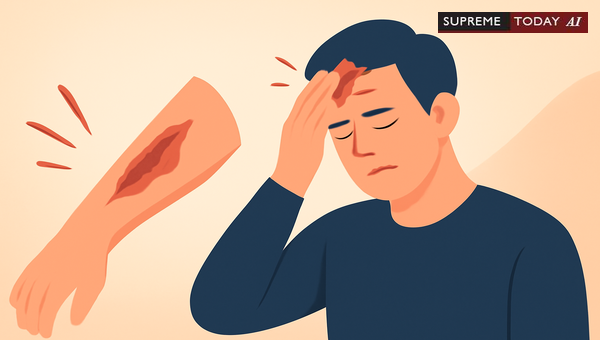
Definition in BNS Explained
In the evolving landscape of Indian criminal law, the (BNS) has replaced the , , introducing updated provisions while retaining core principles. One critical area is the classification of injuries, particularly , which significantly impacts charges, punishments, and case outcomes. Whether you're a victim seeking justice, a legal professional assessing a case, or simply curious about the law, understanding this definition is essential.
This post delves into the definition of in the context of the , drawing from statutory provisions and judicial interpretations. Note that this is general information and not specific legal advice—consult a qualified lawyer for your situation.
What Constitutes under BNS ?
The explicitly defines in . This section outlines eight specific types of injuries that elevate simple to the more serious category of , influencing penalties under (). 2008 8 Supreme 366 2007 5 Supreme 218 2015 8 Supreme 247 2009 0 Supreme(SC) 1156 2019 0 Supreme(Bom) 709
Here are the eight categories:
- : Complete or partial removal of male reproductive organs. 2008 8 Supreme 366 2007 5 Supreme 218 2015 8 Supreme 247 2009 0 Supreme(SC) 1156 2019 0 Supreme(Bom) 709
- : Total and irreversible loss of vision in one eye. 2008 8 Supreme 366 2007 5 Supreme 218 2015 8 Supreme 247 2009 0 Supreme(SC) 1156 2019 0 Supreme(Bom) 709
- : Permanent deafness in one ear. 2008 8 Supreme 366 2007 5 Supreme 218 2015 8 Supreme 247 2009 0 Supreme(SC) 1156 2019 0 Supreme(Bom) 709
- : Loss of a limb, finger, or joint functionality. 2008 8 Supreme 366 2007 5 Supreme 218 2015 8 Supreme 247 2009 0 Supreme(SC) 1156 2019 0 Supreme(Bom) 709
- : Irreversible damage rendering a body part unusable. 2008 8 Supreme 366 2007 5 Supreme 218 2015 8 Supreme 247 2009 0 Supreme(SC) 1156 2019 0 Supreme(Bom) 709
- : Lasting scars or alterations affecting appearance. 2008 8 Supreme 366 2007 5 Supreme 218 2015 8 Supreme 247 2009 0 Supreme(SC) 1156 2019 0 Supreme(Bom) 709
- : Breakage or displacement confirmed medically. 2008 8 Supreme 366 2007 5 Supreme 218 2015 8 Supreme 247 2009 0 Supreme(SC) 1156 2019 0 Supreme(Bom) 709
- which endangers life or which causes the sufferer to be during the space of twenty days in severe bodily pain, or unable to follow his ordinary pursuits: Injuries leading to life-threatening conditions or prolonged incapacity (20+ days). 2008 8 Supreme 366 2007 5 Supreme 218 2015 8 Supreme 247 2009 0 Supreme(SC) 1156 2019 0 Supreme(Bom) 709
These categories ensure that only severe, long-term, or life-altering injuries qualify, distinguishing them from simple under .
Key Findings on
The BNS maintains continuity with prior law but emphasizes precise application. Key insights include:
- provides a specific, exhaustive definition comprising exactly eight categories. 2008 8 Supreme 366 2007 5 Supreme 218
- This classification is pivotal for determining injury severity and corresponding punishments, which can range from 7 years to life imprisonment depending on intent and weapons used.
- Courts typically rely on medical evidence, such as X-rays for fractures or expert testimony for permanence, to classify injuries.
Judicial Interpretations and Case Law
Courts have refined the application of through precedents, often interpreting borderline cases strictly. For instance, under the equivalent provision in the old ( IPC, akin to ), not all bone injuries qualify.
In one case, a fracture of bone—crack not extending right through was held not to be under (old numbering).
The court clarified: -Fracture of bone-Crack not extending right through--. This underscores that partial cracks without full fracture do not meet the threshold.
Similarly, of the (predecessor to BNS provisions) sets out the kinds of which fell within the definition of —the requirements for the completion of the offence are in .
Basic is defined in as causing bodily pain, disease or infirmity, but only specified severe forms are grievous.
In modern contexts, influences procedural decisions like bail. For example, where injuries inflicted on the defacto complainant are grievous and a weapon of offence was also used, courts have deemed necessary, dismissing . 2025 Supreme(Online)(Ker) 35476 The ruling noted: deemed necessary where grievous injuries are inflicted.
Conversely, absence of can weaken prosecution cases. In a matter involving alleged offenses against police, the court observed: There is no material to indicate that the Applicants caused to any of the police, as alleged.2025 Supreme(Online)(Bom) 3568 This highlights how proof of is fact-specific.
These interpretations emphasize medical certification and case-specific evidence, preventing over-classification of minor injuries.
Practical Recommendations for Application
When dealing with potential cases:
- Review meticulously: Match injuries against the eight clauses using medical reports. 2008 8 Supreme 366
- Assess facts holistically: Consider duration of pain, incapacity, or permanence—e.g., 20-day rule requires documentation of severe bodily pain or inability to work. 2019 0 Supreme(Bom) 709
- Seek expert consultation: Medical opinions are crucial, especially for fractures or disfigurations. Courts may reject claims without them, as seen in crack-not-through-bone cases.
- Legal strategy: In bail or charge-framing, highlight or contest status to influence outcomes, as in denials. 2025 Supreme(Online)(Ker) 35476
Always engage legal counsel, as outcomes vary by jurisdiction and evidence.
Broader Implications in Criminal Justice
provisions intersect with other BNS sections, such as those on or , but remain a standalone cornerstone for assault cases. While unrelated to suicide (/), where mere allegations of harassment are insufficient,2025 0 Supreme(Bom) 532 the emphasis on direct evidence mirrors requirements.
Post-BNS, procedural shifts under (BNSS) apply, like investigations for pre-enforcement offenses. 2024 0 Supreme(All) 1480 This ensures smooth transition without diluting substantive law.
Conclusion and Key Takeaways
The definition of in , , provides clarity on serious injuries through its eight precise categories, backed by judicial scrutiny. 2008 8 Supreme 366 2007 5 Supreme 218 Understanding this can empower victims, guide defenses, and streamline justice.
Key Takeaways:- is strictly defined—eight types only.- Medical evidence is king; partial injuries often don't qualify.
- Impacts bail, sentencing, and charges significantly. 2025 Supreme(Online)(Ker) 35476- Consult professionals for tailored advice.
Stay informed on BNS updates, and remember: this overview is for educational purposes. For case-specific guidance, reach out to a lawyer.
#GrievousHurt #BNS2023 #IndianCriminalLaw















