


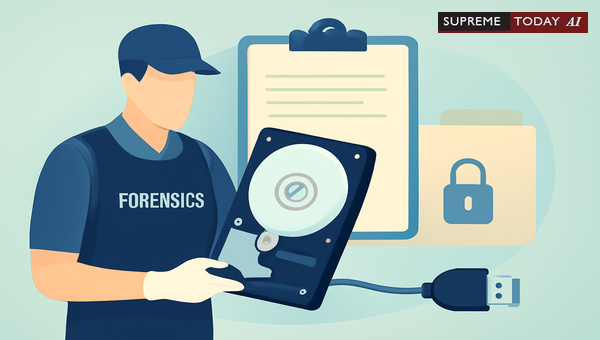
Hard Disc Seizure Procedure in India: Key Steps Guide
In today's digital age, hard discs often hold critical evidence in cases ranging from software piracy and cybercrimes to financial fraud and narcotics investigations. Properly seizing and handling these devices is crucial to maintain evidence integrity and ensure admissibility in court. But what exactly is the procedure for seizing hard discs in India? This comprehensive guide breaks down the step-by-step process, drawing from judicial precedents and legal best practices to help investigators, lawyers, and businesses navigate this complex area.
Failure to follow these procedures can lead to evidence being challenged or dismissed, potentially jeopardizing an entire case. We'll explore preparation, seizure, forensic handling, and court protocols, while integrating insights from key case laws. Note: This is general information based on legal precedents and not specific legal advice. Consult a qualified attorney for your situation.
Overview of Hard Disc Seizure in India
The Indian legal system emphasizes preserving the and preventing tampering when dealing with electronic evidence. Under provisions like , electronic records must be accompanied by a certificate for admissibility. Courts prefer non-invasive methods like creating mirror images to avoid disrupting the defendant's operations or risking data loss. 2017 0 Supreme(Kar) 326
Key principles include:- Prioritizing mirror images over physical seizure where possible.- Immediate sealing and documentation.- Involvement of forensic experts for verification via .
This approach protects defendants' rights while securing prosecutorial interests, as highlighted in multiple judgments. 2009 0 Supreme(Del) 1357
Step-by-Step Procedure for Seizing Hard Discs
1. Preparation and Initial Assessment
Before seizure, investigators should assess if a mirror image suffices, especially in piracy or data misuse cases. In cases involving suspected use of pirated software or data, it is recommended to create a mirror image of the hard disc rather than seizing the physical device. This method preserves the data while allowing the original device to remain with the defendant, thus preventing potential misuse or blackmail by the plaintiffs. 2009 0 Supreme(Del) 1357
Once data is retrieved or the hard disc is removed, it must be seized per proper rules and sent to the (FSL). Once the data is retrieved from the hard disk or hard disk itself is removed from the machine as per satisfaction of the investigating agency, the same shall be seized by the IO as per proper procedure/rules and be sent to FSL for examination. 2024 Supreme(Online)(DEL) 1971
2. Seizure Process and Documentation
During seizure:- Prepare a detailing the hard disc's specifics, condition, and circumstances. During the seizure, a should be prepared, documenting the details of the hard disc taken. This ensures a clear record of what was seized and under what circumstances.
- Delhi
- Seal the hard disc immediately to prevent tampering. The hard disc should be sealed immediately after seizure to maintain the and prevent tampering. 2022 0 Supreme(Del) 1998
Investigation officers must document in the case diary or , including the item's approximate value and condition. Proper entries ensure transparency. 2023 0 Supreme(Gau) 1207 2023 Supreme(Online)(KER) 29346
In one case, I also prepared the seizure memos of said hard disc vide already exhibited as . 2020 0 Supreme(Del) 1260
3. Forensic Examination and Imaging
Engage forensic experts promptly:- Create a or mirror image (bit-by-bit copy) and generate (e.g., MD5 or SHA-1) to verify integrity. It is crucial to involve forensic experts in the process to create a copy of the hard disc. This includes generating to verify that the data has not been altered. 2017 0 Supreme(Kar) 326 2019 0 Supreme(Bom) 1292
- Ensure the original remains untouched. The forensic expert should ensure that the original hard disc is not tampered with during the examination process. 2022 0 Supreme(Del) 1998
Examples include collecting entire disc images to USB for recovering deleted files: The expert collected the data from the computer... and entire disc image of the hard disc was collected to a USB hard disc for recovering deleted files. 2017 0 Supreme(Ker) 647 2017 0 Supreme(Ker) 1398
Sealing and reduce tampering risks, with secure storage until court. 2023 0 Supreme(Pat) 831 2025 Supreme(Online)(Kar) 34830
4. Maintaining
Document every transfer meticulously. A detailed record of the must be maintained for all evidence, including hard discs. This includes documenting every transfer of the evidence to different authorities or experts. 2019 0 Supreme(Bom) 1292
Proper storage prevents damage: seal, label, and note value/durability per . 2024 0 Supreme(Kar) 529
5. Court Procedures and Inspection
Present sealed mirror images in court for joint expert inspection. If infringement is found, plaintiffs file affidavits. Courts may return devices under conditions. The sealed mirror images of the hard disc should be presented in court for inspection by experts from both parties. If an infringement is found, the plaintiff must file an affidavit based on the findings. 2009 0 Supreme(Del) 1357 The court may order the return of the hard disc or its copies to the accused under specific conditions to prevent misuse. 2008 0 Supreme(Kar) 863
In sensitive cases, access is supervised: Crl.M.P.No.581 of 2022 has been filed to issue a copy of the hard disc... Crl.M.P.No.586of 2022 has been filed to grant a minimum time of 18 hours to the petitioner and his counsel to view the contents of the hard disc. 2023 Supreme(Online)(KER) 4495
Courts stress procedural compliance, restricting access to illicit content while allowing supervised viewing. 2023 Supreme(Online)(KER) 29346 2025 Supreme(Online)(MP) 8844
Limitations and Common Pitfalls
- Evidence Act Compliance: Electronic records need Section 65-B certificates, or they may be inadmissible. 2017 0 Supreme(Kar) 326
- Improper Handling: Failure to access or substantiate data leads to acquittals. Though the hard disc was seized, P.W.24, has clearly given an evidence that hard disc could not accessed and therefore, mere seizure of the hard disc will not help the prosecution. 2022 0 Supreme(Mad) 1354
- Documentation Gaps: Undocumented seizures violate procedures. 2023 0 Supreme(Gau) 1207
In ownership disputes, like unreturned company hard discs, proper seizure memos are vital.
- High Court Malaya Kuala Lumpur
Recommendations for Best Practices
- Always draft detailed Seizure Memos.
- Use forensic experts for mirror images and hash verification.
- Maintain logs religiously.
- Comply with Evidence Act for admissibility.
- Store seized media securely to prevent damage. 2024 0 Supreme(Kar) 529
Conclusion and Key Takeaways
Seizing hard discs in India demands precision to uphold justice. From 2025 Supreme(Online)(Kar) 34830 to forensic sealing and court presentation, each step safeguards evidence while respecting rights. Non-compliance risks case dismissal, as seen in precedents where mishandled discs led to evidentiary failures.
Key Takeaways:- Prefer mirror images to physical seizures.- Seal and document immediately.- Involve FSL experts early.- Track exhaustively.
By adhering to these protocols, investigators can strengthen cases involving digital evidence. For tailored guidance, seek professional legal counsel.
References: 2009 0 Supreme(Del) 1357 2008 0 Supreme(Kar) 863
- Delhi
2017 0 Supreme(Kar) 326 2019 0 Supreme(Bom) 1292 2022 0 Supreme(Del) 1998 2024 Supreme(Online)(DEL) 1971- High Court Malaya Kuala Lumpur
2023 Supreme(Online)(KER) 4495 2022 0 Supreme(Cal) 631 2022 0 Supreme(Mad) 1354 2020 0 Supreme(Del) 1260 2017 0 Supreme(Ker) 647 2017 0 Supreme(Ker) 1398 2024 0 Supreme(Kar) 529 2025 Supreme(Online)(Kar) 34830 2023 Supreme(Online)(CESTAT) 947 2023 0 Supreme(Gau) 1207 2023 Supreme(Online)(KER) 29346 2023 0 Supreme(Pat) 831 2025 Supreme(Online)(MP) 8844 #HardDiscSeizure #DigitalEvidenceIndia #CyberLaw















