


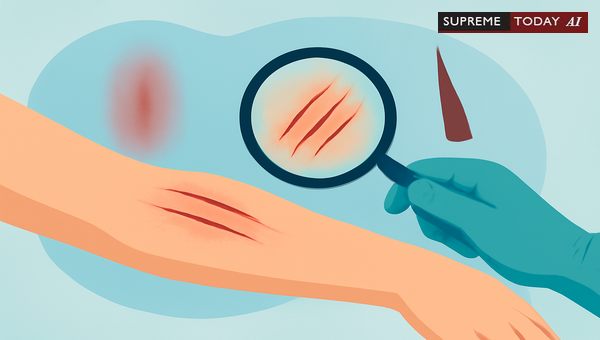
How Scratches and Aches Injuries Typically Occur: A Legal Perspective
Minor injuries like scratches and aches are common in assault cases, accidents, and disputes. But understanding how the injury of a scratch and aches took place can make or break a legal argument. Courts rely heavily on medical evidence to determine —whether from sharp objects, blunt force, or other contacts. This post breaks down the mechanisms behind these injuries, drawing from judicial documents and expert analyses. Note: This is general information, not legal advice. Consult a qualified attorney for your situation.
Main Legal Findings on Injury Causes
Scratches and aches generally result from . Scratches are from pointed or rough objects, while aches stem from affecting muscles, bones, or soft tissues. The placement and nature of these injuries often reveal the incident's circumstances. For example:
- Scratches: Caused by contact with pointed or rough objects 1996 0 Supreme(AP) 760.
- Aches or pains: Result from or impacts 1966 0 Supreme(SC) 125 2011 0 Supreme(SC) 81.
- Object-specific causes: Sharp-edged objects produce scratches; blunt objects lead to bruises or aches 1966 0 Supreme(SC) 125 2011 0 Supreme(SC) 81.
These findings are consistent across medical reports in court cases, helping establish whether injuries align with alleged events.
Detailed Mechanisms: How Scratches Form
Superficial Scratches from Pointed or Rough Contacts
Scratches typically arise when skin drags across sharp or abrasive surfaces. In one case, a scratch with dried scabs on the inner aspect and front of the right forearm was linked to a pointed object like a sharp weapon or rough surface, aged about 20-30 days 1996 0 Supreme(AP) 760. Similarly, a scratch abrasion 1.5 cm long covered by dry scabs on the inner aspect and front of the right forearm indicated superficial injury from external contact, with no private part injuries supporting non-sexual trauma 2015 0 Supreme(Gau) 208.
Other judicial examples reinforce this:- A Scratch 3x3 cm over left leg appeared alongside lacerations from an iron pipe attack
.- Scratch on right shoulder region 1/2 x 1/4 x skin deep and multiple facial scratches were noted in a gang rape case, consistent with struggle or contact 2004 0 Supreme(Jhk) 254.- Two scratch injuries on both forearms and scratch injury on the chest were found without weapon use, suggesting hand-to-hand contact 2011 0 Supreme(Kar) 799 2011 0 Supreme(Kar) 798.
These cases show scratches as hallmarks of superficial, external abrasion, often with scabs forming days later.
How Aches and Pains Develop
Blunt Force Trauma and Its Effects
Aches arise from impacts damaging soft tissues, muscles, or bones, causing swelling, tenderness, and discomfort. Documents describe bruised swelling, , and a punctured wound from blunt hard substances like lathis or rods, leading to pain 2011 0 Supreme(SC) 81. In another, , , and on the skull from blunt weapons caused aches 2017 0 Supreme(Raj) 1307.
Additional sources highlight:- Tenderness over record and lacerations from iron pipes, plus chronic bodily aches post-head concussion
.- Scratch injuries possible as a result of dragging, but aches from broader impacts like group assaults 2007 7 Supreme 233.
Courts note aches may persist, as in vehicular cases with subsequent acute headache and chronic bodily aches alongside scalp lacerations
.
Relating Injuries to the Incident
In legal contexts, injury patterns must match the alleged event. Superficial scratches suggest pointed object contact during altercations, while aches indicate blunt impacts or falls. Medical reports specify causes, supporting external trauma conclusions 1996 0 Supreme(AP) 760 1966 0 Supreme(SC) 125.
For instance:- In assaults, scratch injury on the person of the complainant mismatched lathi claims, as scratches unlikely from blunt weapons 2003 0 Supreme(Pat) 623.- Absence of scratches or external marks questioned narratives, like no injuries on a prosecutrix despite alleged rape 2007 0 Supreme(Bom) 1250.- Internal aches without external signs were explained by age-related fragility, not always trauma 2016 0 Supreme(Gau) 807.
These alignments (or mismatches) influence convictions, emphasizing medical corroboration.
Key Legal Principles from Court Documents
Courts recognize:- Superficial scratches from pointed objects produce dry scabs and superficial skin damage 1996 0 Supreme(AP) 760.- Blunt impacts cause bruises, swelling, and pain 1966 0 Supreme(SC) 125.
Victim testimony and medical evidence can suffice for guilt, even without other witnesses, as in gang rape convictions relying on scratches 2004 0 Supreme(Jhk) 254. However, contradictions—like no scratches in expected struggle—may lead to acquittals 2014 0 Supreme(Mad) 2194. Special damages for aches require strict proof, with adjustments for proven pain
.
Exceptions and Limitations
Not all cases fit neatly:- Superficial injuries may occur accidentally via falls or drags 2007 7 Supreme 233.- Aches aren't always traumatic; medical conditions mimic them, though documents focus on external causes.- Absence of injuries doesn't disprove claims but raises doubts, e.g., no scratches in alleged assaults 2007 0 Supreme(Bom) 1250 2003 0 Supreme(Pat) 623.
Medical exams must detail age, location, and cause for reliability.
Practical Recommendations for Legal Proceedings
- Document thoroughly: Obtain detailed medical reports noting injury type, age, and likely cause.
- Match to circumstances: Align injuries with objects/weapons involved 2011 0 Supreme(SC) 81.
- Consider credibility: Courts weigh medical evidence against witness statements 2004 0 Supreme(Jhk) 254.
In revisions, limited interference upholds convictions if evidence like scratches corroborates assaults 2011 0 Supreme(Kar) 799.
Conclusion: Key Takeaways on Injury
Typically, scratches occur via pointed/rough object contact, forming superficial wounds with scabs 1996 0 Supreme(AP) 760, while aches follow to tissues 1966 0 Supreme(SC) 125 2011 0 Supreme(SC) 81. Legal outcomes hinge on how well these explain the incident, as seen in diverse cases from assaults to accidents. Always prioritize medical evidence for accurate assessments.
References:1. 1996 0 Supreme(AP) 760: Scratches from pointed objects.2. 1966 0 Supreme(SC) 125: Blunt force aches.3. 2011 0 Supreme(SC) 81: pains.4. Others integrated as noted.
This analysis underscores the interplay of medicine and law—consult professionals for case-specific guidance.
#InjuryLaw #MedicalEvidence #LegalTrauma















