


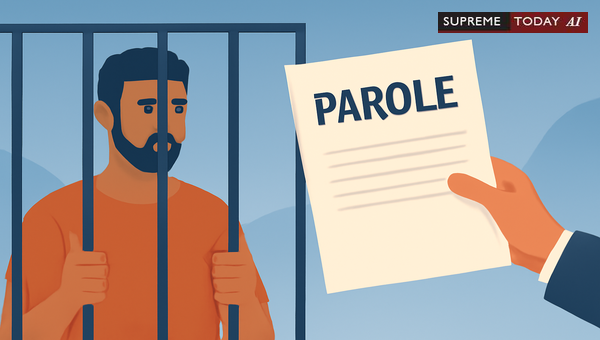
Is Considered in India?
In the complex world of Indian criminal law, terms like '' and '' often spark confusion. A common question arises: A Person on is Considered as in . If you're a family member, legal professional, or someone navigating the justice system, understanding this distinction is crucial. offers temporary relief from prison, but does it mean freedom from custody? This post breaks down the legal position, drawing from court rulings and statutes to provide clarity.
We'll explore the definition of , its impact on custody status, implications across multiple cases, and insights from recent judgments. Note: This is general information based on established precedents and should not be taken as specific legal advice. Consult a qualified lawyer for your situation.
What is Under Indian Law?
is a form of conditional release from prison, allowing a prisoner temporary liberty under strict supervision. Unlike , it does not suspend the sentence or halt the detention period. Instead, it provides 'guarded liberty' while the prisoner's sentence continues to run. 2020 0 Supreme(Del) 1562 2008 0 Supreme(Raj) 703
2012 0 Supreme(Del) 1178
Key types of include:- : The prisoner is escorted under armed police custody for specific reasons, such as family events or medical needs. 2023 0 Supreme(P&H) 3075- : Granted for urgent situations like a family member's death, marriage, or serious illness. 2020 0 Supreme(J&K) 172- : Longer releases for good conduct, often after initial paroles. 2012 0 Supreme(Raj) 1794
As per the , applications involve verification by jail authorities, police reports, and recommendations before forwarding to competent bodies. 2024 0 Supreme(P&H) 422
vs. : Key Distinctions
Courts have consistently distinguished from . releases an accused from custody pending trial, potentially freeing them from detention altogether. , however, keeps the individual in the legal custody of the state, albeit in a modified form.
The and emphasize: is a conditional release while remaining in , not a full release from detention. Sunil Fulchand Shah vs. Union of India, 20002012 0 Supreme(Del) 1178. The period on counts towards the total imprisonment, reinforcing ongoing custody. 2008 0 Supreme(Raj) 703
Black’s Law Dictionary and judicial interpretations clarify that 'custody' includes not just physical detention but also probation, , or for purposes. A person on is thus 'in custody' as they remain under court or prison authority control. 2018 0 Supreme(P&H) 2677
Legal Position: Does Mean You're Still in ?
Yes, a person on is considered in . Courts have ruled that maintains the state's detention, temporarily conditioned. During , the prisoner continues to remain in , and the period spent on is counted as part of the imprisonment. 2008 0 Supreme(Raj) 703
The prisoner does not gain freedom; their liberty is guarded and revocable. This holds even for convicts with pending appeals. 2012 0 Supreme(Raj) 1794
Evidence from Key Rulings
- Custody Continues: Once granted, does not end . The individual stays under court or prison oversight. 2008 0 Supreme(Raj) 703
- Sentence Runs: Time on deducts from the total term, unlike regular leave.
- Broad Definition of Custody: Surrendering to court directions places one in custody, even without police arrest. Persons on are 'in custody' for applications under . 2018 0 Supreme(P&H) 2677
Implications for Multiple Cases
A frequent scenario involves prisoners facing charges in multiple FIRs. Importantly, obtaining in one case does not require separate orders from each court. Jail authorities must inform other trial courts about the status, especially when producing the person. The individual remains in across all cases. 2020 0 Supreme(Del) 1562
If a person is in in multiple cases, obtaining in one case does not require separate orders from each case. The jail authorities must inform other trial courts about the . 2020 0 Supreme(Del) 1562
This streamlines procedures, avoiding redundant applications while ensuring transparency.
Grounds for Granting or Denying
isn't automatic. Authorities assess based on conduct, reform potential, and public safety.
- Entitlement Factors: Unique case facts, long incarceration (e.g., 13+ years), and good behavior. In one case, after 13 years and 7 months in custody, was granted considering reform tendencies. 2023 0 Supreme(Del) 5977
- Denial Limits: Mere apprehensions of misuse or past convictions aren't enough. Denial of requires substantial evidence of potential danger to public order, not just apprehensions. Courts directed reconsideration when rejections lacked cogent reasons. 2024 0 Supreme(P&H) 422
For 'hardcore' prisoners under , for medical needs can't be denied if rights to health are violated. 2023 0 Supreme(P&H) 3075
During COVID-19, special paroles were granted via for decongestion, excluding serious cases like NDPS or . Procedures involved jail superintendents verifying applications and forwarding with police inputs. 2020 0 Supreme(J&K) 173 2020 0 Supreme(J&K) 172
Judicial Precedents on and Custody
- Non-Surrender Consequences: Failure to return post- leads to separate convictions, but sentences may run concurrently with life terms unless misconduct warrants otherwise. 2023 0 Supreme(P&H) 1986
- in Custody Context: Even absconders surrendering are 'in custody' for eligibility. Proper procedures under must precede declaring someone absconding. 2018 0 Supreme(P&H) 2677
These rulings underscore 's custodial nature.
Key Takeaways and Recommendations
- = : Temporary release doesn't end detention; time counts towards sentence. 2008 0 Supreme(Raj) 703
- Multi-Case Efficiency: One suffices with court notifications. 2020 0 Supreme(Del) 1562
- Application Tips: Submit via jail superintendent; highlight reform, family needs, or emergencies.
- For Lawyers: Stress ongoing custody status; ensure jail-court communication.
In summary, provides relief but maintains judicial oversight. This framework balances prisoner rights with public safety, as affirmed across Indian jurisprudence.
This article is for informational purposes only and reflects general legal positions. Laws evolve, and outcomes depend on specific facts. Seek professional legal counsel.
#ParoleLaw,#JudicialCustody,#IndianCriminalLaw












