


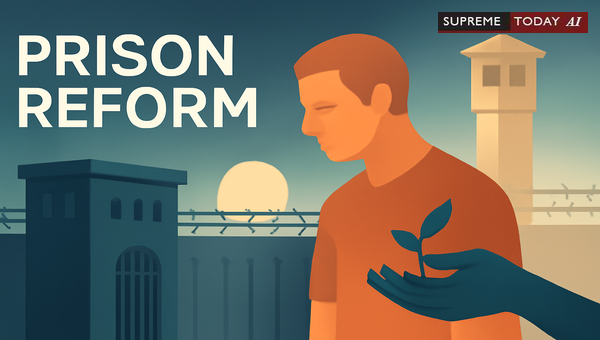
Key Issues in Jail Reform: Challenges & Solutions
Jail reform remains a pressing concern in modern criminal justice systems, particularly in countries like India where prisons often grapple with systemic deficiencies. Overcrowded facilities, delayed trials, and poor living conditions not only undermine human rights but also hinder the rehabilitative purpose of incarceration. Courts have repeatedly emphasized the need for a multidimensional approach to address these challenges, balancing punishment with reformation.
What are the Key Issues in Jail Reform? This question lies at the heart of ongoing judicial and policy debates. Drawing from landmark cases and expert observations, this post outlines the primary issues, supported by legal precedents, and offers insights into potential solutions. Note that this is general information and not specific legal advice—consult a qualified attorney for personalized guidance.
1. Overcrowding and Infrastructure Challenges
Overcrowding is one of the most persistent problems in jails, leading to sub-human conditions and strained facilities. Courts have noted that this issue exacerbates inadequate infrastructure, making rehabilitation nearly impossible. 1993 0 Supreme(Ker) 184 2017 0 Supreme(UK) 2
- Sub-human living conditions: Prisoners often endure cramped spaces, poor sanitation, and health risks due to excessive inmate numbers.
- Open jails as a solution: Proper establishment and management of open jails are recommended to alleviate space constraints while promoting rehabilitation. 2017 0 Supreme(UK) 2
In a related concerning Maharashtra prisons, the court directed the state to increase prison capacity and modernize facilities, recognizing overcrowding as a violation of prisoners' rights to adequate living conditions. 2017 0 Supreme(Bom) 2122
2. Delays in Trials and Judicial Processes
Prolonged trial delays mean languish in jail for years, often without conviction. This not only denies timely justice but also perpetuates overcrowding. 1997 1 Supreme 157
Judicial trends highlight the injustice faced by who cannot afford bail. As observed in one case, the poorer defendant cannot pay the price. He languishes in jail weeks, months and perhaps even years before trial. He does not stay in jail because he is guilty. 2023 0 Supreme(All) 2336 Courts are encouraged to consider socioeconomic conditions for bail, allowing for those unable to furnish sureties.
Expeditious trials are crucial, with directions for courts to prioritize cases and reduce backlogs, as seen in bail grants amid delays. 2015 0 Supreme(Tri) 85
3. Prison Conditions and Human Rights Violations
Sub-human conditions, including torture, ill-treatment, and neglect of health and hygiene, demand urgent attention. 1993 0 Supreme(Ker) 184 2011 0 Supreme(Raj) 2097
- Basic amenities shortages: Insufficient food, clothing, and hygiene facilities undermine dignity and health.
- Judicial remedies: of prisoners are protected under the Constitution, with available for redressal. 1979 0 Supreme(SC) 531 1993 0 Supreme(Ker) 184
The Supreme Court has stressed prisoners' rights to proper food and family visits, directing committees to set standards for hygienic meals with the goal: the main object of detaining a criminal in Jail should be to reform him. 2017 0 Supreme(Bom) 2122 In Maharashtra, courts ordered improvements in food quality and visitation to uphold these rights.
4. Inadequate Facilities and Prison Vices
Beyond basics, issues like prison vices—such as violence or substance abuse—erode the reformative intent. 1997 1 Supreme 157
Courts advocate for better management, including in jails. One directive urged involving institutions like to study conditions and suggest reforms, alongside setting up legal aid for inmates. 2014 0 Supreme(All) 3372
5. Communication and Visit Management
Restricted communication and visits impact mental health and reintegration prospects. 1997 1 Supreme 157
Enhancing these facilities is vital. Courts have mandated opportunities for prisoners to meet family and lawyers, crucial for psychological well-being and reform. 2017 0 Supreme(Bom) 2122
6. Focus on Reformation and Rehabilitation
Imprisonment's primary goal should be reformative, offering legal awareness, mental health support, and skill development. 2011 0 Supreme(Raj) 2097 1979 0 Supreme(SC) 529
- Jail conduct matters: Courts consider prisoners' behavior, reform potential, and sentence reduction for reintegration.
- Probability of reform: In sentencing appeals, factors like age, antecedents, and jail conduct are weighed. A strong case is made out in support of the appellants’ probability of reform (as already evidenced by their jail conduct), and reintegration into society. 2023 3 Supreme 665 One case modified convictions to , noting long incarceration and reform potential: If you are to reform him, you must improve him and, men are not improved by injuries. 2023 0 Supreme(All) 418
Likelihood of reform, including jail conduct, is a key sentencing factor. 2019 0 Supreme(Bom) 1689
Legal and Institutional Framework for Jail Reforms
Courts enforce reforms through oversight, expeditious inquiries, and remedial actions. 1979 0 Supreme(SC) 529 For long-term inmates (over 14 years), timely considerations are mandated via compliance with rules like . 2014 0 Supreme(All) 3372
Bail reforms address indigency, reflecting a shift toward equity. Even in serious cases like militancy, reformation chances outside jail are prioritized if reintegration is viable. 2015 0 Supreme(Tri) 85
Summary and Recommendations
Effective jail reform requires a holistic strategy:- Infrastructure: Develop facilities and open jails to combat overcrowding.- Judicial efficiency: Streamline trials and bail for , especially indigents.- Conditions improvement: Ensure hygiene, food, and rights protection.- Communication: Enhance visits and legal aid.- Rehabilitation focus: Promote skills, mental health, and reform-based sentencing.- Oversight: Leverage judicial and committees for implementation.
These measures balance punitive and reformative justice, fostering safer societies. As courts evolve, from bail modifications 2023 0 Supreme(All) 2336 to sentence reviews 2023 3 Supreme 665, the emphasis is clear: prisons must rehabilitate, not merely punish.
Key Takeaways
- Overcrowding and delays are root causes, addressable via infrastructure and speedy trials.
- Human rights underpin reforms—courts actively intervene.
- Reformation is paramount; good jail conduct can lead to early release.
Jail reform is an ongoing journey. Staying informed empowers advocacy for change. For specific cases, seek professional legal counsel.
#JailReform, #PrisonRights, #CriminalJusticeReform















