



Can a Minor Girl Stay with Her Nani Against Her Father's Wishes?
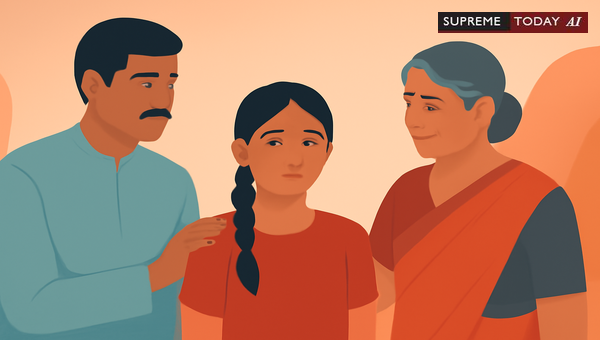
In family disputes, few issues tug at the heartstrings more than a child's custody. Imagine a scenario where a minor girl firmly expresses her desire to live with her Nani (maternal grandmother), while her father insists she stay with him. This common yet emotionally charged situation often arises under India's , and raises a pivotal question: Gaurd and wards act me girl minor Nani ke pas rehna chahti he father apne pas rakhana chahta he? (Translation: Under the Guardians and Wards Act, the minor girl wants to stay with her Nani, but the father wants her with him.)
This blog post explores the legal framework, judicial approach, and real-world case insights to shed light on such matters. While laws provide guidelines, courts always prioritize the as the north star. Note: This is general information based on legal precedents and not specific legal advice—consult a qualified lawyer for your situation.
Legal Framework for Guardianship and Custody in India
India's guardianship laws are primarily governed by two key statutes:- : Applies to all minors (under 18) and empowers courts to appoint guardians based on the child's best interests.- : For Hindus, it designates the father as the of a minor girl, followed by the mother. 2025 0 Supreme(P&H) 50
However, these rights are not absolute. Courts have repeatedly held that statutory guardianship must yield to the child's welfare. As emphasized in judicial rulings, the is the principal consideration in guardianship and custody cases. 2024 4 Supreme 422
In practice, when a father seeks custody against the child's expressed wish, courts delve deeper into factors like the minor's age, maturity, emotional stability, and living environment.
The Paramount Principle: Welfare of the Child
No matter the 's claim, Indian courts universally prioritize the best interests of the child. This doctrine overrides parental rights if staying with the father would harm the minor's well-being.
Key judicial stance:- Principal consideration of Court whilst deciding application for guardianship ... would be welfare of minor children. 2024 4 Supreme 422- The minor's happiness, confidence, and stability are weighed heavily, especially if she is well-adjusted and expresses a clear preference. 2024 4 Supreme 422
Even under the Hindu Act, father's rights are subject to this welfare test. Courts may grant custody to a non-parent like a grandmother if it serves the child's interests better. 2025 0 Supreme(P&H) 50
Significance of the Minor Girl's Wishes
A standout factor in such cases is the child's own preference, particularly if she is of sufficient age and understanding (typically 9+ years). Courts often record statements in chambers to ascertain this without pressure.
From case precedents:- In one ruling, the minor girl stated her desire to stay with her grandmother, noting she was happy, well-groomed. The court gave this significant weight. 2024 4 Supreme 422- Similar patterns emerge in where minors are quizzed: Aap kahan rehna chahti hain? (Where do you want to stay?). Responses like Apne maeke mein (In my maternal home) or Mummi Papa ke pas (With Mummy-Papa) influence decisions.
- Another instance: Kya aap apne pitaji ke paas jana chahti hain? A. Agar pitaji saath rehna chahein to reh sakte hain. But she added pressures like forced marriage, tilting towards welfare assessment.
- Courts respect voluntary choices: Kisake sath rehna chahti hain? Ans. Rizwan ke sath... Pita ke sath nahi jana chahti hain.
These statements underscore that a minor's articulate wish—free from coercion—can sway custody towards the Nani, provided welfare aligns.
Balancing Father's Rights with Child's Preference
The father retains natural guardianship privileges, including decisions on education and upbringing. 2025 0 Supreme(P&H) 50 Yet, courts intervene if:- The child is unhappy or unstable with him.- Evidence shows better care elsewhere (e.g., Nani's home offers emotional security).
Exceptions apply for very young children unable to express views; here, objective welfare factors dominate. But for older minors, preferences matter profoundly. In the referenced case, the girl's maturity and joy with Nani tipped the scales. 2024 4 Supreme 422
Related insights from broader custody disputes:- Minors often cite domestic issues: Aap apne husband ke paas kyu nahi rehna chahti? A. Wo mujhe maarte-peette hain. (Why not stay with husband? He beats me.)
- Or safety concerns: Aap kiske sath jana chahti hain? A. Apne husband ke sath nahi jana chahati hu kyoki vo pareshan karte hai dahej ke liye. (Don't want to go with husband due to dowry harassment.)
These reinforce that courts probe underlying reasons, ensuring decisions foster the child's holistic development.
Court Procedures and Evidence in Custody Battles
When a dispute reaches court:1. Statements Recorded: Judges question the minor privately: Kya aap wahan apni marzi se reh rahi hain? (Are you staying there willingly?).
2. Welfare Report: Counselors or welfare officers assess home environments.3. : Even if custody goes to Nani, fathers typically get access to maintain bonds.
Grandmothers must prove:- Stable, nurturing setup.- Child's happiness and adjustment.
Fathers counter with their guardianship role but must show active involvement.
Practical Recommendations for Stakeholders
- For Nani/Grandmother: Document the child's wishes via affidavits, school reports, and witness testimonies on her well-being. File under Guardians and Wards Act.
- For Father: Demonstrate consistent parenting; propose or visitation.
- General Tip: Seek mediation first; courts favor amicable resolutions.
- Both parties: Prioritize counseling to minimize trauma.
Visitation ensures ongoing father-child ties, respecting welfare. 2024 4 Supreme 422
Key Takeaways and Conclusion
In summary, while the father is the under Hindu law 2025 0 Supreme(P&H) 50, a minor girl's wish to stay with her Nani can prevail if courts find it aligns with her 2024 4 Supreme 422. Judicial trends from diverse cases affirm that children's voices—when mature and uncoerced—carry weight, as seen in statements like Aap apne mata-pita ke saath rehna chahti hain?
.
Custody isn't about winning rights; it's about nurturing futures. Outcomes vary by facts, so professional guidance is essential.
Disclaimer: This post draws from precedents like 2024 4 Supreme 422 and 2025 0 Supreme(P&H) 50, plus related sources. Laws evolve; it offers general insights, not advice. Consult a family law expert for personalized help.
#ChildCustodyIndia, #GuardianshipAct, #MinorWelfare







