


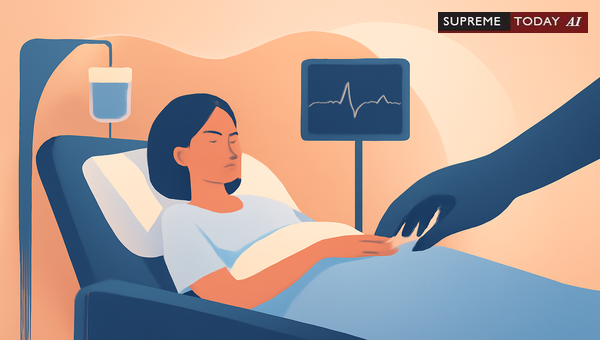
Understanding the Aruna Shanbaug Case: A Turning Point in India's Law
In the realm of medical ethics and constitutional rights, few cases have sparked as much debate as the Aruna Shanbaug 2011 case. Often, individuals facing prolonged suffering or irreversible conditions ponder profound questions about the right to a dignified end. A pivotal query arises: Give a Summary of the Aruna Shanbaug 2011 Case. This landmark judgment addressed , distinguishing between active and passive forms, and shaped India's legal landscape on the under . While this post provides general insights, it is not legal advice—consult professionals for specific situations.
The Tragic Background of Aruna Shanbaug
Aruna Ramchandra Shanbaug, a dedicated nurse at King Edward Memorial Hospital in Mumbai, endured unimaginable trauma. On , she was brutally assaulted by a sweeper, who sodomized her and strangled her with a dog chain, causing severe brain damage. This left her in a for 37 years, during which the hospital staff cared for her selflessly. She passed away in from pneumonia. 2018 4 Supreme 144
The case gained national attention in 2009 when journalist Pinki Virani filed a under , seeking permission for to end Aruna's suffering, arguing it violated her . The hospital opposed, viewing itself as her next friend. This set the stage for the 's historic intervention. 2011 2 Supreme 481
Key Legal Issues at Stake
The grappled with fundamental questions:- Is legal in India?- What distinguishes (administering lethal drugs) from (withdrawing life support)?- Can courts authorize withdrawal of support for incompetent patients?
These issues intersected with Article 21's guarantee of life and personal liberty, including the , as referenced in precedents like . However, the Court clarified that required careful judicial oversight absent legislative backing. 2018 4 Supreme 144 2014 0 Supreme(SC) 321
's Groundbreaking Findings
Delivered on , in Aruna Ramchandra Shanbaug v. Union of India (2011) 4 SCC 454, the judgment legalized under strict guidelines while banning .
1. Legalization of
The Court permitted withdrawal of life support for PVS patients, invoking the doctrine—where the state acts as guardian for those unable to decide. Overriding all these is the doctrine of , one that was discussed by the in Aruna Ramchandra Shanbaug v Union of India and Ors,(2011) 4 SCC 454 2021 0 Supreme(Bom) 1782.
Key safeguards:- Views of parents/close relatives, next friend, and medical board must be considered.- approval is mandatory via original jurisdiction.- A three-doctor panel (including a neurologist) confirms PVS after tests like brain stem auditory evoked response. 2018 4 Supreme 144 2020 0 Supreme(Pat) 86
The Court rejected for Aruna specifically, as hospital staff unanimously opposed it. 2025 Supreme(Online)(Del) 4990
2. Prohibition of
was ruled illegal, potentially amounting to murder under . , which involves administering lethal substances to end life, was deemed illegal. 2014 0 Supreme(UK) 403 2011 2 Supreme 481
3. Constitutional Foundations
Drawing from Gian Kaur, the forms part of Article 21 but does not extend to suicide or assisted killing without law. The judgment urged Parliament to enact comprehensive legislation. 2018 4 Supreme 144
Broader Impact and References in Later Cases
The Aruna Shanbaug ruling reverberated through Indian jurisprudence, particularly in guardianship and end-of-life decisions.
- Guardianship Applications: Courts invoked for dementia patients, appointing guardians while restricting property sales. The court appointed the two Petitioners as the guardians and managers of the person and properties of their mother, subject to certain safeguards. 2021 0 Supreme(Bom) 1782
- : Built on Shanbaug, recognizing () for , balancing autonomy and safeguards. It affirmed: should be permissible. Guidelines given therefor as well as advance medical directives. 2018 2 Supreme 164
- Medical and Ethical Contexts: Emphasized in cases involving comatose states or brain death, reinforcing doctor panels and court oversight. 2020 0 Supreme(Bom) 1126
Other references highlight its enduring legacy:- In , it supported guardianship for vegetative states. 2020 0 Supreme(All) 616- High Courts applied it for managing finances of incapacitated persons, prohibiting misuse.
Procedure for Post-Shanbaug
- Petition to .
- Medical board evaluation.
- Consider family/doctor opinions.
- Court decision in patient's best interest.
This framework, later refined in 2018, prioritizes dignity without opening floodgates to abuse. and now support . 2018 2 Supreme 164
Recommendations for Legal Practitioners and Families
- Monitor Legislation: The Court stressed the need for statutory law; stay updated on bills like the proposed Bill.
- Educate Clients: Distinguish passive (permissible) from active (illegal) . For PVS cases, gather medical evidence early.
- Ethical Considerations: Balance sanctity of life with quality, invoking judiciously. 2021 0 Supreme(Bom) 1782
Families facing similar dilemmas may seek guardianship under the , with court-monitored asset management. 2020 0 Supreme(All) 616
Conclusion: Legacy of Dignity and Caution
The Aruna Shanbaug case marked a compassionate evolution in Indian law, affirming that Article 21 encompasses dying with dignity for PVS patients via . Yet, it underscored judicial caution against active measures, urging legislative action. Over a decade later, it influences debates on and patient autonomy, as seen in subsequent rulings.
Key Takeaways:- : Allowed with nod. 2018 4 Supreme 144- : Prohibited. 2014 0 Supreme(UK) 403- guides best-interest decisions. 2021 0 Supreme(Bom) 1782- now viable per 2018 guidelines. 2018 2 Supreme 164
This ruling humanizes end-of-life care but highlights ongoing ethical tensions. For personalized guidance, consult a qualified lawyer.
References:- 2018 4 Supreme 144 2011 2 Supreme 481 2014 0 Supreme(UK) 403 2014 0 Supreme(SC) 321 2021 0 Supreme(Bom) 1782 2025 Supreme(Online)(Del) 4990 2018 2 Supreme 164
#ArunaShanbaug #PassiveEuthanasia #EuthanasiaIndia












