


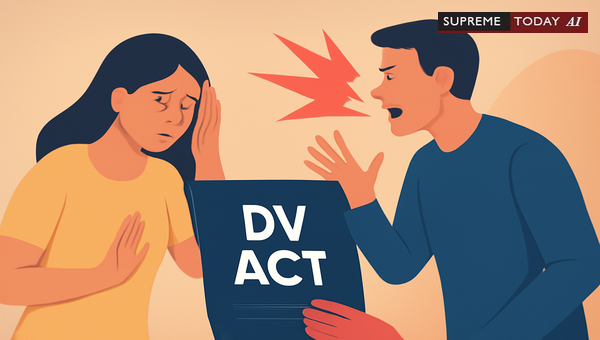
Does Questioning Character Qualify as ?
In the heat of domestic disputes, words can wound deeply. But does merely questioning someone's character—calling them dishonest or immoral—cross into the territory of under Indian law? This is a common query in family conflicts, where emotions run high and legal lines blur. Today, we dive into the () to clarify: Does questioning someone's character fall under the act?
This blog post breaks down the legal definitions, scope, judicial views, and practical advice. Remember, this is general information based on statutes and precedents—not personalized legal advice. Consult a qualified lawyer for your situation.
What Constitutes Under the ?
The aims to protect women from violence in domestic relationships, offering civil remedies like , , and . defines broadly but specifically: any act, omission or commission or conduct of the that harms, injures, or endangers the 's health, safety, life, limb, or well-being. This includes , , , and 2016 4 Supreme 481 2017 0 Supreme(SC) 888.
Key explanations in the Act detail:- : Acts causing bodily pain, injury, or harm.- : Any conduct violating dignity or demanding unlawful sex.- : Includes insults, ridicule, humiliation, threats of harm, or repeated demands causing mental distress.- : Depriving financial resources or restricting access 2016 4 Supreme 481 2017 0 Supreme(SC) 888.
As per , Even an activity which tends to harm or injure or endanger the health, safety, life, limb or well being of the will fall within the definition of 2025 0 Supreme(Ker) 1183. However, the focus remains on direct threats to physical or mental well-being, not indirect reputational harm.
Does Questioning Someone's Character Fall Under This Scope?
No, questioning a person's character does not typically fall under the . The Act's language emphasizes acts that directly harm or threaten physical or mental health, such as harassment, coercion, or injury—not character assassination or defamation 2016 4 Supreme 481 2017 0 Supreme(SC) 888.
For instance:- covers insults, ridicule, and humiliation, but the explanations specify threats to cause physical pain or mental distress. Mere statements questioning moral character (e.g., You're untrustworthy) lack the explicit harm element unless tied to threats or injury.- The law's object is victim safety and well-being, not reputation protection. The object and scheme of the focus on acts that threaten or cause harm to the victim's well-being, not on character or reputation alone 2017 0 Supreme(SC) 888.
Judicial interpretations reinforce this. Courts require proof of acts meeting statutory thresholds, like in cases stressing personal knowledge and direct evidence for DV claims 2025 0 Supreme(Ker) 1183. Character attacks alone don't qualify unless they escalate to defined abuses.
Judicial Interpretations and Relevant Case Law
Indian courts have consistently narrowed applications to statutory bounds. While no case directly addresses character questioning, related precedents clarify limits:
- In maintainability challenges, courts dismiss applications lacking a or qualifying violence. For example, petitioners not qualifying as 'respondents' saw applications quashed, emphasizing strict definitions 2024 0 Supreme(J&K) 33.
- Broader scope cases affirm harm to well-being but exclude non-violent acts. means any woman who is, or has been, in a with the and who alleges to have been subjected to any act of by the 2024 0 Supreme(J&K) 33.
Divorced women can still claim relief if prior violence fits, as cruelty may overlap with DV, but proceedings remain civil-focused 2022 0 Supreme(Mad) 3645. Courts modified to lump sums for proven violence, not vague claims.
Nature of proceedings is key: is predominantly of , with criminal elements only for breaches like protection order violations 2022 0 Supreme(Mad) 650 2021 0 Supreme(Bom) 429. handle appeals on civil reliefs like residence or , underscoring non-criminal character for most claims
Sandip Mrinmoy Chakrabarty VS Reshita Sandip Chakrabarty
.In property disputes, '' requires clear ties, excluding unrelated claims 2019 0 Supreme(Del) 1780. This prevents misuse for non-violent grievances.
Exceptions: When Character Questioning Might Relate to DV
Pure character questioning stands alone, but context matters:- If it leads to harm: Repeated insults escalating to threats, humiliation causing mental distress, or coercion could qualify as emotional abuse 2016 4 Supreme 481.- Combined acts: Questioning paired with physical threats or economic control might form a pattern.- Not defamation: Pursue reputation harm under defamation laws () or civil suits, not 2017 0 Supreme(SC) 888.
Courts remand for evidence verification, stressing direct testimony from the aggrieved 2025 0 Supreme(Ker) 1183. No limitation period applies to DV filings, aiding timely action 2022 0 Supreme(Mad) 650.
Practical Recommendations for Legal Practitioners and Victims
- Distinguish claims: Invoke for harm to health/well-being; use defamation for character attacks.
- Gather evidence: Focus on direct impacts like medical records for mental harm or witness statements for threats.
- Seek appropriate forums: for DV; civil courts for property/defamation. Transfers need victim consent 2022 0 Supreme(Mad) 650.
- Holistic approach: Combine with () or () if violence proven 2022 0 Supreme(Mad) 3645.
Key Takeaways
- Questioning character does not inherently constitute under the —it's outside the harm-focused scope 2016 4 Supreme 481 2017 0 Supreme(SC) 888.
- Prioritize acts threatening physical/mental well-being for DV claims.
- Misuse risks dismissal; choose the right law for justice.
- Always consult professionals, as outcomes depend on facts.
Stay informed, stay safe. For more legal insights, subscribe to our blog.
Disclaimer: This post provides general information only and is not a substitute for professional legal advice.
#DomesticViolenceAct, #DVActIndia, #LegalInsights















