




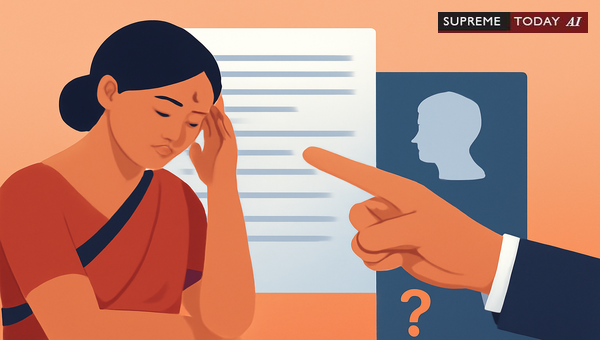
Supreme Court Guidelines on Section 498A IPC: Preventing Misuse While Protecting Genuine Cases
Introduction
is a crucial provision aimed at safeguarding married women from inflicted by their husbands or relatives. It covers acts of physical or mental harassment, often linked to dowry demands. However, the has repeatedly highlighted the growing misuse of this section, where complaints are filed impulsively over minor disputes, leading to unwarranted arrests and family breakdowns. 2017 6 Supreme 266
If you've ever wondered, What is Guideline Issued by Suprem Court W R t Sec 498a Ipc?, this post breaks down the key directives from the apex court. These guidelines seek to balance women's protection with preventing legal abuse, ensuring justice isn't weaponized in matrimonial discord. Note: This is general information and not specific legal advice; consult a qualified lawyer for your situation.
Overview of Section 498A IPC
Enacted to combat dowry-related , Section 498A makes it punishable for a husband or his relatives to subject a woman to , which includes willful conduct likely to drive her to suicide or cause grave injury. Despite its noble intent, courts have noted its frequent misuse. The Supreme Court has issued guidelines emphasizing judicial caution, specific allegations, and scope for settlements. 2018 0 Supreme(MP) 1002
Key Supreme Court Guidelines on Section 498A
The apex court has outlined several measures to curb misuse while upholding legitimate claims. Here's a detailed look:
Preventing Misuse Over Trivial Issues Complaints under Section 498A are often filed in the heat of the moment over trivial issues, often lacking bona fide intent. This can lead to uncalled-for arrests that may ruin the chances of reconciliation between parties. 2017 6 Supreme 266 Courts must act as watchdogs to filter frivolous cases.
Judicial Scrutiny of Complaints Judges are urged to meticulously examine FIRs and complaints. Investigating agencies should verify genuineness before arrests. Courts are encouraged to carefully scrutinize complaints to prevent unfounded and malicious allegations. 2018 0 Supreme(MP) 1002
Quashing Proceedings on Amicable Settlements Though , the Court permits quashing under if parties settle amicably. This promotes reconciliation without prolonged trials.
Requirement for Specific Allegations Vague or general claims, especially on dowry demands, may lead to FIR quashing. Accused must show non-involvement, but complainants need concrete details. General or vague accusations may lead to the quashing of FIRs if the accused can demonstrate that they were not involved in the alleged incidents. 2016 0 Supreme(MP) 1140
Training for Officers and Sensitivity There's a strong call to sensitize police and judicial officers on misuse risks, ensuring fair treatment. 2017 6 Supreme 266
These guidelines reflect a nuanced approach, as seen in landmark rulings.
Insights from Related Case Laws
Supreme Court directives are applied in various High Court decisions, providing practical context.
Quashing for Lack of Case
In one case, proceedings under were quashed: The proceedings being Complaint Case No. 41 of under Sections 323/498A/406/506/34 of the pending before the , is hereby quashed. 2023 0 Supreme(Cal) 632 The court found no materials making out a , stressing to prevent abuse.
Another revision quashed charges, holding: Case diary charge sheet there in do not make out a case of cognizable offence as alleged against accused petitioner no materials for proceeding against accused petitioner towards trial fit case where inherent power of court should be exercised. 2023 0 Supreme(Cal) 632
and Genuine Claims
Not all cases are dismissed. In a matter involving wife's infertility, the court refused quashing: inflicted upon a wife by her husband or his relatives, causing grave danger to her life and health, constitutes an offence under Section 498A IPC. 2023 0 Supreme(Cal) 82 Husband's divorce notice amid her distress was deemed , with infertility not justifying divorce. Spouses must support each other in tough times.
The ruling relied on Supreme Court precedents like for defining and quashing guidelines under . Charge sheets with evidence sustain proceedings. 2023 0 Supreme(Cal) 82
Other Contextual Rulings
- In cases linked to 498A, courts examine if harassment other than dowry meets the threshold, potentially invoking . 2020 0 Supreme(Kar) 1872
- For (), mere harassment isn't enough without proximate incitement: Merely on the allegations of harassment without there being any positive action proximate to the time of occurrence on the part of the accused which led or compelled the person to commit suicide, conviction in terms of of IP Code is not unsustainable. 2011 0 Supreme(Bom) 165 2011 0 Supreme(Bom) 160
- Vague family allegations against non-residents often lead to quashing, especially within seven years of marriage invoking presumptions. 2007 0 Supreme(Del) 1568
These cases illustrate how guidelines are implemented: specific, evidenced claims proceed; falter.
Practical Recommendations for Navigating 498A Cases
- For Complainants: Substantiate with specific incidents, timelines, and evidence to pass scrutiny.
- For Accused: Seek early quashing if allegations are vague or settled amicably.
- Legal Professionals: Promote mediation and officer training to reduce misuse.
- General Tip: Explore family courts or counseling before FIRs, preserving reconciliation chances.
Conclusion and Key Takeaways
Supreme Court guidelines on Section 498A IPC strike a vital balance: protecting women from real while shielding innocents from misuse. By mandating scrutiny, specificity, and settlement options, they foster fair justice. Key takeaways:- Scrutinize complaints rigorously. 2018 0 Supreme(MP) 1002- Favor specifics over generalities. 2016 0 Supreme(MP) 1140- Consider quashing for settlements. - Train stakeholders on implications. 2017 6 Supreme 266
Matrimonial disputes are sensitive; approach them judiciously. For personalized guidance, consult a legal expert. Stay informed to uphold justice.
References:2017 6 Supreme 266 2018 0 Supreme(MP) 10022016 0 Supreme(MP) 1140 2023 0 Supreme(Cal) 632 2023 0 Supreme(Cal) 82 2020 0 Supreme(Kar) 1872 2011 0 Supreme(Bom) 165 2011 0 Supreme(Bom) 160 2007 0 Supreme(Del) 1568
#Section498A, #SupremeCourtGuidelines, #IPC498A












