


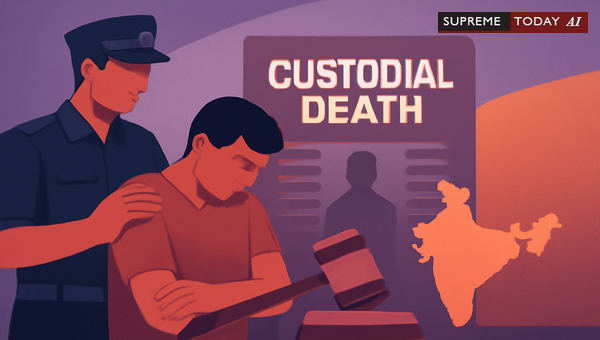
Landmark Judgments on Police Atrocities in India
Police atrocities remain a pressing concern in India, often involving , , and . These incidents not only violate but also erode public trust in . Citizens frequently search for Landmark Judgements on Police Atrocities to understand and accountability measures. This blog post delves into key and rulings, constitutional principles, and recommendations for reform, drawing from established precedents. Note: This is general information and not specific legal advice. Consult a qualified lawyer for personalized guidance.
Overview of Police Atrocities and Judicial Response
, including , , and , contravenes (right to life and personal liberty) and 22 (protection against arbitrary arrest and detention) of the . Courts have repeatedly emphasized that such acts undermine the . 2011 7 Supreme 396
As noted in judicial observations, Police atrocities in India had always been a subject-matter of controversy and debate.2015 0 Supreme(All) 1145 The judiciary has played a proactive role, taking in cases like the Ramlila Maidan incident, where during a public gathering prompted notices to authorities. 2011 0 Supreme(SC) 1382
The reports further highlight systemic issues, such as and delays in justice, especially for marginalized communities. 2017 2 Supreme 79
Key Legal Principles Established by Courts
Landmark judgments have laid down critical principles to combat police excesses:
Violation of Constitutional Rights: and violate and 22. Courts have ruled that the State bears an overriding obligation to investigate suspicious . 2011 7 Supreme 396
State Responsibility: The government must ensure thorough probes into , recognizing the difficulty in gathering evidence due to . 2011 7 Supreme 396
No Need for Body Recovery in Convictions: In murder cases linked to police atrocities, convictions can rely on , even without the victim's body. 2011 7 Supreme 396
Harsher Penalties for Police Officers: Due to their authority and , police personnel face stricter punishments. The atrocities of such type committed by the police on the citizens need to be viewed seriously.2015 0 Supreme(Bom) 920 Courts have indicated harsher penalties than for ordinary citizens. 2010 7 Supreme 696
Challenges in Proving : Police often pervert evidence to shield colleagues, making convictions tough. However, judicial precedents uphold accountability. 2011 7 Supreme 396
These principles are reinforced in cases involving the , where against vulnerable groups attracts stringent scrutiny. 2022 Supreme(Online)(All) 25973
Notable Landmark Cases
Custodial Death and Abduction Cases
In a pivotal ruling, police officials were convicted for abducting and murdering a exposing atrocities. The court relied on despite no body recovery, setting a precedent for . 2011 7 Supreme 396
The incidents of police atrocities indeed, are disturbing. In another instance, police threats led to a suicide, holding officers liable under and 341 read with 34. 2014 0 Supreme(Bom) 1504
Ramlila Maidan and Public Gatherings
The intervened suo motu in the Ramlila Maidan case, condemning police brutality during a and directing explanations from authorities. This underscores judicial vigilance against excesses in . 2011 0 Supreme(SC) 1382
SC/ST Atrocities Act and
Several judgments address police atrocities under the SC/ST Act:- Police allegedly abused and used filthy language while restraining individuals, violating Article 21. 2022 0 Supreme(Guj) 1635 2024 0 Supreme(Chh) 317- In , courts caution against misusing the Act for , requiring evidence beyond mere FIR claims. The police have not invoked the offence under and 3(1)(s) of the Atrocities Act, but they have registered the offence punishable under of the Atrocities Act.2020 0 Supreme(Bom) 1316 2020 0 Supreme(Bom) 894- Bail conditions often mandate accused police to mark attendance at stations, prohibiting witness tampering. 2022 Supreme(Online)(Kar) 47683 2024 Supreme(Online)(MP) 32236 2022 Supreme(Online)(MP) 12934
is not permissible whether it occurs during investigation, interrogation or otherwise. In view of the provisions of Article 21 of the Constitution, any form of or cruel, inhuman or degrading treatment is inhibited.2015 0 Supreme(All) 1145
Judicial Interventions and Procedural Safeguards
Courts have mandated under the SC/ST Act, requiring officers not below Deputy Superintendent of Police rank. Failure to comply can vitiate proceedings. 2024 Supreme(Online)(GUJ) 9438
In cases, orders direct police to refrain from threats or inducements. For instance, appellants must mark attendance bi-weekly and avoid evidence interference.
2025 Supreme(Online)(Raj) 11619
Further, it is hereby categorically denied by the respondent/State the allegation of the petitioners about the Police atrocities at Civil Line Police Station... Police Officers not only infringed the personal liberty and dignity guaranteed under Article 21.2024 0 Supreme(Chh) 317
These interventions ensure while deterring misconduct.
Recommendations for Reform
To address police atrocities effectively:- Strengthen Accountability: Establish independent oversight bodies and mandatory .- Legal Reforms: Amend laws for faster trials in custodial cases and harsher penalties under the SC/ST Act.- Training and Awareness: Provide human rights training to police and educate citizens on rights during arrests.- NHRC-Led Monitoring: Enhance NHRC's role in real-time oversight of . 2017 2 Supreme 79
Conclusion and Key Takeaways
Landmark judgments affirm that no one, including police, is above the law. They reinforce constitutional protections, demand accountability, and highlight evidence challenges in . From custodial death convictions 2011 7 Supreme 396 to SC/ST Act enforcements 2025 Supreme(Online)(Raj) 11619, the judiciary's stance is clear: police atrocities must be curbed through vigilance and reform.
Key Takeaways:- Prioritize Article 21 rights in arrests.- Demand independent probes for custodial incidents.- Use precedents like Ramlila Maidan for public safety. 2011 0 Supreme(SC) 1382
Continued judicial, legislative, and societal efforts are vital. Stay informed, report misconduct, and seek legal aid promptly.
References: 2011 7 Supreme 396 2010 7 Supreme 696 2011 0 Supreme(SC) 1382 2017 2 Supreme 79 2015 0 Supreme(All) 1145 2015 0 Supreme(Bom) 920 2014 0 Supreme(Bom) 1504 2022 0 Supreme(Guj) 1635 2024 0 Supreme(Chh) 317 2020 0 Supreme(Bom) 1316 2020 0 Supreme(Bom) 894 2022 Supreme(Online)(Kar) 47683 2024 Supreme(Online)(MP) 32236 2024 Supreme(Online)(GUJ) 9438
#PoliceAtrocities, #LandmarkJudgments, #HumanRightsIndia















