


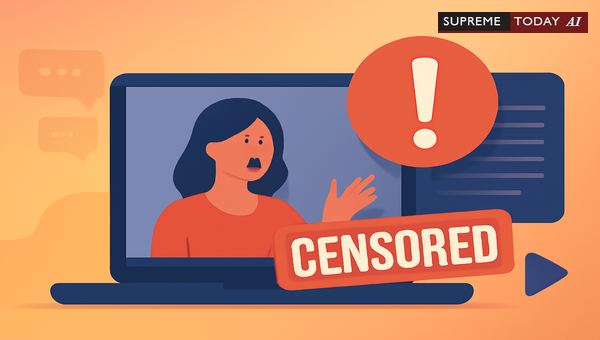
Judgment on Spreading Vulgarity through Digital Videos and Songs
In today's digital age, platforms like , , and OTT services are flooded with videos and songs that often push boundaries with explicit lyrics, , and provocative visuals. But what happens when such content crosses into vulgarity or obscenity? The of India has addressed this pressing issue in several landmark judgments, balancing freedom of expression with public morality and decency.
A key legal question arises: Judgement on Spreading Vulgarity through Digital Videos and Songs. This blog post delves into the court's rulings, key principles, relevant cases, and practical implications, drawing from authoritative judgments. Note: This is general information based on public judgments and not specific legal advice. Consult a qualified lawyer for personalized guidance.
Key Legal Principles Established by the
The has laid down clear guidelines distinguishing between permissible expression and unlawful content dissemination.
1. Defamation and Disparagement via Digital Platforms
Spreading defamatory content through digital videos or songs constitutes . Courts have held that sharing derogatory remarks about individuals or products can trigger legal action. For instance, The has established that spreading defamatory content through digital platforms constitutes a publication of defamatory matter under defamation laws 2023 0 Supreme(SC) 453.
2. Obscenity vs. Vulgarity: A Critical Distinction
Not all vulgar content is obscene. Vulgarity might evoke disgust but does not necessarily corrupt morals, whereas obscenity tends to deprave and corrupt those exposed to it. The distinction between vulgarity and obscenity is critical. Vulgarity may evoke disgust but does not necessarily corrupt morals, while obscenity has the potential to deprave and corrupt 1985 0 Supreme(SC) 318 2012 0 Supreme(Ker) 108. Materials crossing into obscenity can be restricted under , which prohibits sale, distribution, or public exhibition of obscene content 2020 0 Supreme(MP) 1206.
The court has noted concerns over songs and videos with double entendre, obscene words, and promote vulgarity and sexuality 2024 Supreme(Online)(MAD) 396 2024 Supreme(Online)(MAD) 295.
3. Responsibilities of Digital Intermediaries
Under the , platforms like must proactively remove harmful content. Significant social media intermediaries... have a duty to prevent the dissemination of harmful content 2023 0 Supreme(Del) 576. Failure to comply can lead to loss of .
Landmark Findings from Relevant Cases
Defamation Cases Involving Digital Videos
In a notable case concerning the trademark 'CATCH', the court granted a against defendants for uploading videos with false claims about the plaintiff's products, deeming them defamatory and malicious 2023 0 Supreme(Del) 2513.
Similarly, a minor celebrity sued over misleading videos about her health, with the court finding a for injunctive relief and stressing intermediary compliance 2023 0 Supreme(Del) 576.
Obscenity and Vulgarity in Songs and Videos
The clarified that vulgar writings do not equate to obscenity. The assessment of whether material is obscene should consider its potential influence on readers, and courts must apply an objective assessment 2012 0 Supreme(Ker) 108. Courts have ordered blocking and deletion of objectionable content, using forensic analysis of digital data 2025 Supreme(Online)(Mad) 66494 2024 Supreme(Online)(MAD) 295.
In cases involving public broadcasts, The content of songs and videos broadcast are communication to the public and amounts to infringement when violating copyrights or decency norms 2016 0 Supreme(Del) 3915 2016 0 Supreme(Del) 3917 2016 0 Supreme(Del) 3916. This principle extends to vulgar digital uploads.
Broader Concerns: Public Programs and Digital Media
The court expressed alarm over programmes with obscene lyrics and vulgar dances, impacting law and order and cultural values 2024 Supreme(Online)(MAD) 359 2024 Supreme(Online)(MAD) 395. For non-film digital content, lacking a dedicated regulator, judicial directives suffice 2023 Supreme(Online)(DEL) 9406. Authorities face contempt proceedings for non-compliance 2024 Supreme(Online)(MAD) 359 2024 Supreme(Online)(MAD) 396.
Additional instances highlight unauthorized digital exploitation, such as The defendants are using digital recording of the said songs leading to injunctions 2017 0 Supreme(Cal) 841, and user-downloaded vulgar content via mobile services
.
Role of Digital Platforms and Regulatory Gaps
Digital channels amplify vulgar content rapidly. Courts reference precedents emphasizing regulation of obscene material while balancing free speech 2024 Supreme(Online)(Mad) 60295 2024 Supreme(Online)(Chh) 17791. Platforms must enhance moderation, as seen in copyright disputes over news videos: videos which had been uploaded on the said digital channels 2024 Supreme(Online)(DEL) 1064.
Summary of Findings
- Reinforced frameworks for defamation, obscenity, and intermediary duties.
- Defamatory digital shares invite repercussions; platforms must act swiftly.
- Vulgarity vs. obscenity distinction guides legality, with obscenity under stricter IPC Section 292 scrutiny 2020 0 Supreme(MP) 1206.
- Proactive measures like blocking and forensics are mandated 2025 Supreme(Online)(Mad) 66494.
Practical Recommendations
For Individuals and Businesses
- Monitor online mentions and seek injunctions against defamatory or obscene content targeting you.
- Use legal action to protect reputation, as in the 'CATCH' trademark case 2023 0 Supreme(Del) 2513.
For Content Creators and Platforms
- Implement robust moderation to avoid liability under 2023 0 Supreme(Del) 576.
- Avoid or explicit promotions that courts deem vulgar 2024 Supreme(Online)(MAD) 396.
For Legal Practitioners
- Track evolving digital law interpretations, including contempt risks for non-enforcement 2024 Supreme(Online)(MAD) 359.
Conclusion and Key Takeaways
The consistently prioritizes public decency over unchecked digital vulgarity. While freedom of expression is vital, content that defames, depraves, or disrupts morality—via videos or songs—faces judicial curbs. Key takeaways:- Distinguish vulgarity from obscenity for legal risks 1985 0 Supreme(SC) 318.- Hold platforms accountable under IT Rules.- Act swiftly with injunctions and reports.
References: 2023 0 Supreme(SC) 453 1985 0 Supreme(SC) 318 2012 0 Supreme(Ker) 108 2020 0 Supreme(MP) 1206 2023 0 Supreme(Del) 2513 2023 0 Supreme(Del) 576 2024 Supreme(Online)(MAD) 396 2024 Supreme(Online)(MAD) 295 2025 Supreme(Online)(Mad) 66494 2024 Supreme(Online)(MAD) 359 2024 Supreme(Online)(MAD) 395 2024 Supreme(Online)(Mad) 60295 2024 Supreme(Online)(Chh) 17791 2023 Supreme(Online)(DEL) 9406 2017 0 Supreme(Cal) 841 2016 0 Supreme(Del) 3915 2016 0 Supreme(Del) 3917 2016 0 Supreme(Del) 3916 2024 Supreme(Online)(DEL) 1064
Stay informed on digital laws to navigate this evolving landscape responsibly. (Word count: 1028)
#SupremeCourtIndia, #DigitalVulgarity, #ObscenityLaws














