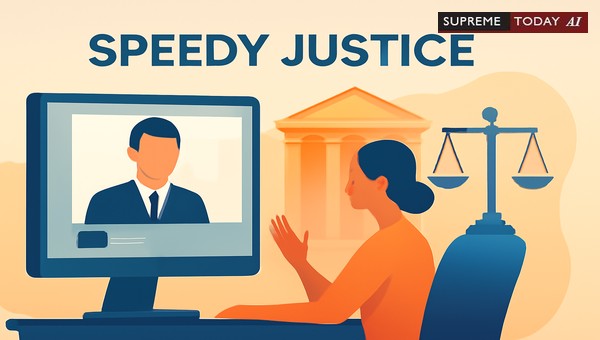
Technology's Role in Speedy Justice in India
India's judicial system grapples with a massive backlog of over three crore pending cases, delaying justice for millions. 2016 0 Supreme(AP) 518 The question arises: Use of Technology in Getting Speedy Justice – can digital tools bridge this gap? This blog delves into how technology is revolutionizing court proceedings, the benefits it offers, persistent challenges, and practical recommendations to modernize justice delivery.
While technology promises efficiency, it must be implemented thoughtfully to uphold fairness. Note that this post provides general insights based on judicial observations and is not specific legal advice.
The Urgent Need for Technological Innovations
The Indian judiciary's pendency crisis demands urgent reforms. The Indian judiciary faces a significant backlog, with over three crore cases pending, necessitating the adoption of technology to meet public aspirations for speedy and affordable justice. 2016 0 Supreme(AP) 518 Technological innovations are not optional but essential for modernizing the system and ensuring effective access to justice. 2016 0 Supreme(AP) 518
Recent judicial directives underscore this. The Supreme Court has emphasized that technology is a necessity for securing access to justice. 2023 0 Supreme(Mad) 3233 For instance, advancements like video conferencing and hybrid hearings have enabled efficient court proceedings, even during disruptions. 2022 0 Supreme(Del) 904
Globally, similar principles apply. In the US, the Speedy Trial Act requires courts to justify delays with individualized findings, highlighting technology's role in timely resolutions. 2024 Supreme(US)(ca7) 473 The Speedy Trial Act requires a district judge to explain why the ends of justice call for delay... 2024 Supreme(US)(ca7) 473
Key Advancements in Court Technology
Video Conferencing and Hybrid Hearings
Post-pandemic, courts have widely adopted video conferencing. These tools facilitate proceedings without physical presence, reducing logistical delays. The Supreme Court has directed uniform standard operating procedures (SOPs) for technology use across High Courts to eliminate inconsistencies in access to such facilities. 2023 0 Supreme(SC) 1049
Recent advancements include the use of video conferencing and hybrid hearings, which facilitate efficient conduct of court proceedings. 2022 0 Supreme(Del) 904 This shift ensures continuity, especially vital for undertrial prisoners languishing in custody.
Electronic Filing and Digital Infrastructure
E-filing systems streamline case management, cutting paperwork and errors. Upgrading court infrastructure is crucial to support these tools. 2019 2 Supreme 355 However, without uniform SOPs, High Courts face disparities, prompting Supreme Court interventions for resources and standardization. 2023 0 Supreme(SC) 1049
Challenges Hindering Technological Adoption
The Digital Divide
Not all citizens have equal tech access. There is a digital divide in India, with not all citizens having equal access to technology, which must be addressed to ensure that no segment is left behind. 2023 0 Supreme(SC) 306 Rural and underserved areas lag, risking exclusion from justice.
Lawyer Strikes and Disruptions
Strikes by lawyers exacerbate delays. It is well known that at some places there are frequent strikes, seriously obstructing access to justice. 2020 3 Supreme 15 Courts have ruled that lawyers have no right to strike, as it jeopardizes clients' interests and violates Articles 14 and 21. 2020 3 Supreme 15 Lawyers cannot disrupt court proceedings and put interest of their clients in jeopardy by going on strike or abstaining from court. 2020 3 Supreme 15
In one case, the court emphasized: Access to speedy justice is regarded as a human right. 2019 0 Supreme(J&K) 185 Strikes amount to contempt, with Bar Councils directed to curb such actions. 2018 0 Supreme(MP) 463
Legislative Transitions
Recent reforms, like the repeal of the Code of Criminal Procedure, 1973, effective July 1, 2024, introduce the Bharatiya Nagarik Suraksha Sanhita, 2023. Petitions under old laws post-repeal are non-maintainable. 2024 0 Supreme(P&H) 1169 The experience of seven decades of Indian democracy calls for a comprehensive review of our criminal laws... insufficient use of technology... 2024 0 Supreme(P&H) 1169 This mandates tech integration for faster processes.
Balancing Speed and Quality of Justice
Speedy justice is a constitutional right under Article 21, but haste must not bury justice. 2015 0 Supreme(Mad) 1785 2021 0 Supreme(Ori) 231 While speedy justice is essential, it must not compromise the quality of judicial decisions. The principle of justice hurried is justice buried must be balanced... 2021 0 Supreme(Ori) 231 2015 0 Supreme(Del) 365
Physical access matters too. Establishing courts closer to litigants aids timely justice. Two important aspects of this are the speedy and timely delivery of justice and physical access to justice. 2022 0 Supreme(Bom) 600 Technology complements, not replaces, this.
Successful claims under speedy trial laws are rare, as courts often grant justified continuances. 2024 Supreme(US)(ca8) 96 Successful Speedy Trial Act claims are few and far between. 2024 Supreme(US)(ca8) 96
Recommendations for Effective Implementation
To harness technology fully:- Adopt Technology Fully: Embrace video conferencing, e-filing, and AI for case management to reduce delays.- Uniform SOPs: Implement consistent procedures across High Courts for seamless hybrid hearings. 2023 0 Supreme(SC) 1049- Infrastructure Upgrades: Invest in robust digital setups. 2019 2 Supreme 355- Bridge Digital Divide: Provide devices and training in rural areas for equitable access. 2023 0 Supreme(SC) 306- Curb Disruptions: Enforce anti-strike measures via Bar Councils. 2020 3 Supreme 15- Legislative Alignment: Adapt to new laws like BNSS for tech-driven procedures. 2024 0 Supreme(P&H) 1169
Conclusion and Key Takeaways
Technology is pivotal for speedy justice in India, tackling backlogs and enhancing access. By addressing the digital divide, standardizing practices, and preventing disruptions, the judiciary can restore public faith.
Key Takeaways:- Over 3 crore pending cases demand tech solutions. 2016 0 Supreme(AP) 518- Video conferencing is now essential. 2023 0 Supreme(Mad) 3233- Balance speed with fairness under Article 21. 2015 0 Supreme(Mad) 1785- Strikes undermine justice; self-regulation is key. 2020 3 Supreme 15
The future of Indian justice lies in tech-savvy, inclusive reforms. Consult a legal professional for case-specific guidance.
References: 2016 0 Supreme(AP) 518 2022 0 Supreme(Del) 904 2019 2 Supreme 355 2023 0 Supreme(SC) 306 2023 0 Supreme(SC) 1049 2023 0 Supreme(Mad) 3233 2021 0 Supreme(Ori) 231 2015 0 Supreme(Del) 365 2015 0 Supreme(Mad) 1785 2024 Supreme(US)(ca7) 473 2024 Supreme(US)(ca8) 96 2024 0 Supreme(P&H) 1169 2022 0 Supreme(Bom) 600 2020 3 Supreme 15 2019 0 Supreme(J&K) 185 2018 0 Supreme(MP) 463
#SpeedyJustice, #TechInCourts, #IndianJudiciary