


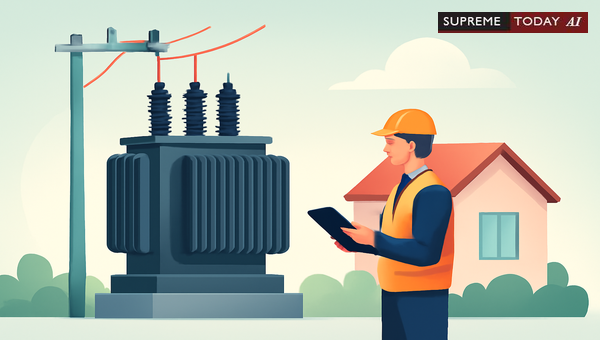
Transformer Installation Regulations in Residential Areas
In densely populated residential neighborhoods, the installation of electrical transformers is essential for maintaining stable power supply. However, it often sparks concerns among homeowners about safety, property rights, and compliance. If you've ever wondered about the regulations for transformer installation in residential areas, this guide breaks down the key legal principles, , and practical recommendations drawn from statutes, regulations, and court rulings.
Transformers are critical infrastructure, but their placement near homes must balance utility needs with resident safety. Courts and regulatory bodies emphasize strict adherence to clearances, approvals, and maintenance to prevent hazards like fire risks or oil leaks. This article explores these rules, helping property owners, residents, and electricity providers navigate potential disputes.
Note: This is general information based on available legal precedents and regulations, primarily in the Indian context. It is not specific legal advice; consult a qualified attorney for your situation.
Overview of Regulatory Framework
The installation of transformers in residential areas is governed by a mix of statutes like the and the (updating earlier versions). These emphasize safety distances, structural safeguards, and procedural approvals. For instance, to residences has been challenged when violating safety norms, with courts directing relocations for non-compliance 2025 Supreme(Online)(Ker) 53333.
Property owners and electricity boards share responsibilities: utilities must ensure voltage stability, while residents can object if installations pose genuine risks, not mere apprehensions 2003 0 Supreme(Mad) 679 1999 0 Supreme(Mad) 805. Unauthorized setups without notice have led to demanding safer alternatives 2025 Supreme(Online)(Mad) 74041.
Key Installation Clearance Requirements
Safety clearances are paramount to mitigate risks from electrical faults, heat, or oil spills.
- : A minimum of 4 feet is mandated when low voltage electric lines pass adjacent to buildings. This prevents hazards from close to residential structures 2012 0 Supreme(Mad) 3328.
- Vertical and Rules: The distance between a window and the top of a distribution transformer must exceed 1.5 meters. Electricity departments assess technical feasibility, prioritizing occupant safety 2013 0 Supreme(Mad) 3945.
- Additional Safety Measures: In residential zones, increased burial depth and barriers are recommended for buried transformers to reduce risks 2022 Supreme(Online)(Ker) 75274.
Courts have upheld that while transformers are necessary, they must not endanger lives, directing evaluations by authorities 2013 0 Supreme(Mad) 3945.
Approval and Compliance Processes
No installation can proceed without proper oversight.
- Electrical Inspector Approval: Prior approval from the Electrical Inspector is required. This includes elevating the transformer room floor to prevent oil leakage and water ingress, avoiding fire hazards 2011 7 Supreme 179 2011 0 Supreme(Raj) 1043.
- and : Typically, or resident is needed. Unauthorized installations have triggered disputes, with residents seeking 2025 Supreme(Online)(Mad) 74041 2025 Supreme(Online)(Ker) 53333 2021 0 Supreme(Kar) 948. In one case, no objections were raised initially, but delayed complaints after years were dismissed 2025 Supreme(Online)(SCDRC) 18951.
- Land Use and Zoning: For layouts over 10 acres, land must be earmarked for utilities like transformers, with free transfer to authorities under registered documents
. Urban plans prevent unauthorized constructions in civic amenity zones 2021 0 Supreme(Kar) 948.
Electricity boards can install on private land as licensees, not owners, provided 2010 0 Supreme(Del) 1176.
Maintenance and Operational Standards
Post-installation duties are equally critical.
- Periodic Checks: Transformers require regular maintenance; connections must use crimping, not hammering, for safety 2011 7 Supreme 179 2011 0 Supreme(Raj) 1043.
- Transformer Upgrades: Changes to installed transformers need notice and , especially if consumer-owned
.
- Load-Based Infrastructure: For residential complexes (e.g., 35 flats), sanctioned load determines transformer size (like 315 KVA), with consumers funding via deposits 2025 Supreme(Online)(Tel) 13437.
Neglect can lead to complaints, but boards aren't obligated to burden individual villa owners with costs under existing rules 2012 0 Supreme(Ker) 981.
Legal Precedents and Court Interventions
Indian courts have shaped these regulations through key rulings.
- Necessity Over : Objections based on future harm fears are insufficient; transformers are vital for voltage stability 2003 0 Supreme(Mad) 679 1999 0 Supreme(Mad) 805.
- : Electricity Boards hold rights to install compliant transformers on private land 2001 0 Supreme(Mad) 48 2013 0 Supreme(MP) 381.
- : Courts order removals or relocations for unsafe setups, ensuring 2025 Supreme(Online)(Ker) 53333 2025 Supreme(Online)(Mad) 74041. In , restrictions mirror those for mobile towers near schools or hospitals 2012 0 Supreme(Raj) 2267.
The , applicability is contested for transformers on private property 2023 0 Supreme(Ker) 764.
and Insights
The and outline duties:
- Responsibilities for infrastructure and service charges based on load 2004 0 Supreme(Kar) 208 2012 0 Supreme(Ker) 776.
- Utilities must comply with safety regulations, with CEA guidelines specifying distances 2025 Supreme(Online)(Ker) 53333.
Recommendations for Stakeholders
To avoid disputes:
- Property Owners/Residents: Verify clearances, demand approvals, and monitor maintenance. Raise timely objections with evidence of risks.
- Electricity Providers: Secure consents, conduct assessments, and document compliance.
- Seek Legal Help: For disputes, consult counsel early, especially on zoning or safety writs.
Conclusion and Key Takeaways
Transformer installations in residential areas prioritize safety under the , CEA Regulations, and judicial oversight. Adherence to 4-foot horizontal clearances 2012 0 Supreme(Mad) 3328, inspector approvals 2011 7 Supreme 179, and maintenance protocols ensures lawful operations while addressing resident concerns. Courts affirm utility needs but mandate risk mitigation, as seen in directives 2025 Supreme(Online)(Ker) 53333.
Key Takeaways:- Always obtain Electrical Inspector approval and maintain clearances.- Document consents to preempt disputes.- Regular maintenance prevents hazards.- Consult professionals for site-specific compliance.
By following these guidelines, stakeholders can support reliable power supply without compromising safety. Stay informed on updates to CEA Regulations for evolving standards.
#TransformerRegulations, #ResidentialPowerSafety, #ElectricityLaws















