


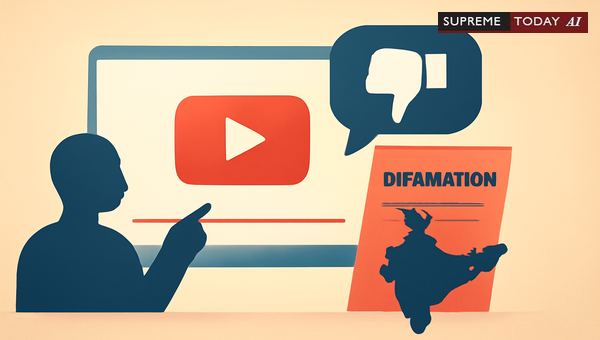
Do Videos Attract Claims in India?
In the digital age, platforms like have revolutionized content creation and sharing. Millions upload videos daily, sparking debates on versus . A common misconception circulates: Videos will Not Attract . But does this hold true under Indian law? Generally, no. videos can indeed trigger claims if they contain false statements harming someone's reputation. This post delves into the legal nuances, key principles, court rulings, and practical advice.
Understanding Under Indian Law
in India falls under both civil and criminal laws, primarily . It involves publishing false statements—spoken () or written/spoken in visual media ()—that injure a person's reputation. Video content on qualifies as publication, potentially attracting liability. 2019 0 Supreme(Del) 1049
Unlike static text, videos offer visual and auditory elements, making their impact more profound. Courts assess context, intent, and harm caused. However, not every critical video is defamatory; truth, fair comment, and public interest serve as defenses.
's Role as an Intermediary
operates as an intermediary under (IT Act). Generally, platforms enjoy , meaning they aren't liable for third-party user content unless they have actual knowledge of its illegality or fail to remove it promptly after notification. Users bear primary responsibility for uploads. 2019 0 Supreme(Del) 1779
's Community Guidelines prohibit hate speech, harassment, and harmful content, leading to removals upon violations. Yet, guideline breaches don't automatically equate to ; legal thresholds differ. 2016 0 Supreme(Del) 2907
Landmark Court Findings on
Indian courts have repeatedly affirmed that videos can attract suits. In one notable case, a plaintiff—an education company—sued over a defamatory video uploaded by defendants. The court found a case, noting strong words like 'kidnapping' and 'extortion' were inappropriate and untrue, harming reputation. It directed defendants to edit out the offending words and sentences from the video and file an affidavit. 2022 0 Supreme(Del) 838 2022 0 Supreme(Del) 1332
The court emphasized: It was submitted that videos are different from newspaper publications, inasmuch as the videos are available for viewership on a continuous basis... every word in the video cannot be looked into at this interim stage. Still, it granted interim relief, balancing free speech with reputation rights. 2022 0 Supreme(Del) 1332
Criminal Dimensions
extends to criminal realms, especially with social media terror. In cases under the , detenus were accused of tampering photos, writing defamatory messages, and uploading videos on , Facebook, and . One allegation: the detenu prepared different videos of the complainant, tampered the photographs, wrote defamatory messages on them and uploaded it on Facebook, You Tube, whats app and social media. Courts upheld detention orders, finding delays explained and rights unaffected. 2020 0 Supreme(Bom) 1150 2020 0 Supreme(Bom) 824
These rulings highlight how defamatory videos can escalate to serious charges under , , and more.
Injunctions and Remedies
Courts readily grant against defamatory content. For instance, plaintiffs have secured orders preventing further uploads or mandating takedowns. 2022 0 Supreme(Del) 838
cases blend with IP issues, like in videos. Courts address multifaceted claims holistically.
Contrastingly, media reporting enjoys protections. Newspapers disseminating court verdicts or public interest news often escape if acting in good faith. One quashed complaints against publishers for using 'fraud' in reporting a consumer court order, holding: Having published the court verdict in the public interest without any ill motive or dishonest intention the complaint against them has to be quashed. 2020 0 Supreme(Mad) 95 2020 0 Supreme(Mad) 419
User-generated videos lack such journalistic shields, underscoring platform-specific risks.
Challenges and Limitations
- Subjectivity: hinges on context; what's offensive in one locale may not be elsewhere. 2019 0 Supreme(Del) 1779
- Volume of Content: 's dynamic uploads make preemptive monitoring impractical, bolstering intermediary defenses. 2019 0 Supreme(Del) 1779
- Free Speech Balance: Courts weigh rights against reputation under , often favoring injunctions at interim stages.
Defendants may invoke justification (truth defense), but it requires trial evidence, not interim dismissal. 2022 0 Supreme(Del) 1332
Key Takeaways for Content Creators and Victims
For Uploaders (Potential Defendants):
- Vet content for falsity and harm.
- Leverage fair use, opinion, or truth defenses.
- Platforms like offer appeals against takedowns.
For Victims (Potential Plaintiffs):
- Gather evidence of falsity, publication, and damage.
- Notify first for voluntary removal.
- Seek urgent injunctions via civil suits.
Recommendations:- Plaintiffs: Bolster claims with proof of falsity and harm. 2022 0 Supreme(Del) 838- Defendants: Explore intermediary protections or counterclaims. 2019 0 Supreme(Del) 1779
Conclusion
Contrary to the notion that Videos will Not Attract , Indian law clearly permits claims against such content. While shields itself as an intermediary, uploaders face civil and criminal risks. Courts intervene via injunctions and edits, as seen in education company disputes and MPDA detentions. Always consult a legal expert for case-specific advice—this post offers general insights only.
References:2019 0 Supreme(Del) 1049 2016 0 Supreme(Del) 2907 2019 0 Supreme(Del) 1779 2022 0 Supreme(Del) 838
2022 0 Supreme(Del) 1332 2020 0 Supreme(Bom) 1150 2020 0 Supreme(Bom) 824 2020 0 Supreme(Mad) 419 2020 0 Supreme(Mad) 95
Disclaimer: This is not legal advice. Laws evolve; seek professional counsel.
#YouTubeDefamation, #IndianLaw, #DefamationClaims















